2026 Best Coffee Packaging Bags for Wholesale Buyers
For wholesale buyers, choosing Coffee Packaging Bags is a practical decision about freshness, handling, and shelf appeal. A bag may look polished under bright showroom lights, yet fail when its seal weakens or its barrier lets aroma fade. The right choice depends on roast type, expected storage time, filling equipment, order volume, and retail format. Small details matter: a valve’s placement, a zipper’s feel, or whether the bottom gusset stays upright on a crowded shelf. Buyers should request material specifications and sample bags, then test them with their actual coffee and packing process. A sample is revealing.
“Good packaging protects the coffee before it sells the story.” This is an original editorial line, not a sourced quotation, voiced here by fictional packaging specialist Elena Ward. It captures a useful buying principle, but it cannot replace verified supplier data. Compare barrier performance, seal consistency, print quality, minimum order quantities, and lead times. Ask suppliers how specifications are tested, and check that claims match their documentation. Do not assume a premium-looking finish means better protection. Some choices involve trade-offs; a highly customized bag may increase cost or slow replenishment. This guide reviews formats, materials, features, and supplier questions to help wholesale buyers compare options with care. A little caution pays.
Coffee Packaging Bags: Types, Structures, and Common Uses
Coffee Packaging Bags: Types, Structures, and Common Uses
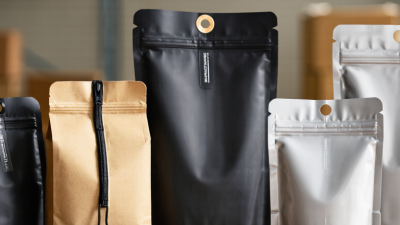
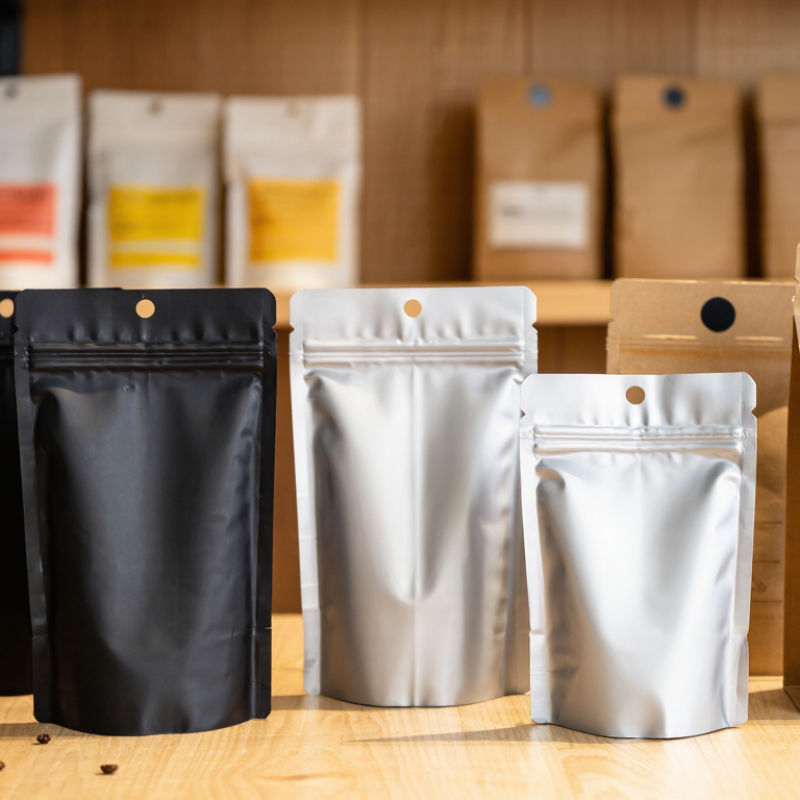
Coffee packaging needs to protect aroma while fitting the product, filling line, and sales channel. Stand-up pouches suit retail shelves and often include a zipper for repeat use. Flat-bottom bags offer a stable base and broad printable panels. Side-gusset bags expand for larger fills, making them common for wholesale and food-service quantities. Small details matter: a bag that tips over or seals poorly can create avoidable handling problems.
Most bags use layered films that balance stiffness, moisture protection, and oxygen control. Some include a one-way valve to release gas from freshly roasted beans without letting air flow back in. Foil layers can provide a strong barrier, but recycling options depend on local collection systems and the full material design.
Good for daily use.
The International Coffee Organization estimated 2023/24 global coffee consumption at 177 million 60-kilogram bags, a reminder that packaging serves many market sizes. The Flexible Packaging Association’s 2023 industry report estimated U.S. flexible-packaging sales at $42.9 billion in 2022, about 21% of the packaging market. That broad figure signals flexible packaging’s scale, not a guarantee that every pouch suits coffee.
Not always ideal.
Match bag structure to roast date, fill weight, storage period, and packing equipment.
Materials and Barrier Features That Protect Coffee Freshness
Coffee freshness depends on keeping oxygen, moisture, and light away from the beans. An effective bag pairs a suitable barrier layer with reliable heat seals. Foil laminates can provide strong protection from light and oxygen, but may cost more and are harder to recycle in many local systems. Metallized films are lighter and can offer useful barriers, though performance varies by construction. A kraft-paper outer layer adds a natural look, but paper alone is not a dependable freshness barrier. Small details matter.
For whole beans, a one-way degassing valve lets carbon dioxide escape while limiting oxygen entry. It should sit flat and remain clear of folds or seal areas. Yet a valve cannot fix a weak laminate or a leaky top seal. Ask suppliers for barrier data, material-layer details, and samples suited to your expected storage period. Then test filled bags under realistic shipping and warehouse conditions. Check seals, valve function, and aroma after storage. Not every bag needs foil. There is no perfect structure for every roast or route, and choosing only by appearance can be an expensive mistake.
Bag Formats, Closures, Valves, and Customization Options
Wholesale coffee bags should match the roast, fill line, and retail shelf. Flat-bottom and quad-seal bags stand neatly and offer room for larger labels. Side-gusset bags use shelf space efficiently, while stand-up pouches suit smaller packs. The National Coffee Association’s 2024 National Coffee Data Trends report found that 67% of U.S. adults drank coffee in the past day. That demand makes shelf-ready packaging relevant, but it does not mean every buyer needs a premium format.
Closures and valves affect daily handling. A resealable zipper helps customers close an opened bag; a one-way valve lets roasting gases escape while limiting outside air entry. Ask suppliers for seal-strength and valve-function test details, not just attractive samples. The Flexible Packaging Association’s 2023 State of the U.S. Flexible Packaging Industry report put 2022 sales at $42.9 billion. That scale reflects many uses, not one ideal coffee structure. A zipper cannot fix a weak seal.
Customization can include matte or gloss finishes, clear windows, printed panels, and different barrier layers. Request samples filled with your actual coffee, then check aroma retention, scuffing, and how bags sit after filling. A window may show the beans, but it can also expose them to light. Not always worth it. Wholesale buyers should compare minimum order quantities, lead times, and print tolerances alongside unit price. Small details matter. Sometimes a simpler bag performs better.
How Wholesale Buyers Can Compare Quality, Cost, and Suppliers
For 2026 coffee bag orders, compare specifications before comparing prices. Ask for the material structure, thickness, and stated oxygen and moisture barrier performance. A matte pouch may look premium, but appearance alone says little about how well it protects roasted beans. Check that the one-way valve and zipper suit your filling process. Small details matter.
Request production samples, not just a digital mock-up. Fill a few bags, seal them with your equipment, and check the seams after handling. Ask suppliers how they control print color, seal strength, and batch consistency. A low unit price can be offset by high setup fees, large minimum orders, or long lead times. Get each cost item in writing.
Supplier comparison takes patience. Ask about material sourcing, quality checks, and what happens when an order does not meet the agreed specification. I would not treat one successful sample as a guarantee; full production can still vary. That assumption is easy to make, and sometimes wrong. Compare quotes using the same bag size, material, print coverage, and order quantity. If a supplier cannot explain a specification clearly, pause before committing. A slightly higher quote may be worthwhile when communication, documentation, and repeat-order consistency are stronger.
2026 Best Coffee Packaging Bags for Wholesale Buyers
Compare common bag structures by relative protection against oxygen, moisture, and light—key factors in preserving roasted coffee quality.
How to read this chart: Ratings are indicative screening scores from 1 (lower) to 5 (higher), not standardized laboratory results. Actual barrier performance depends on film grade, thickness, seals, and construction. Ask suppliers for product-specific oxygen and water-vapor transmission data, food-contact documentation, and quotes at your required order volume.
Choosing the Best Coffee Packaging Bag for Each Business Need in 2026
Wholesale coffee buyers in 2026 need bags that suit their product, sales channel, and packing routine. A small roaster shipping fresh beans has different needs from a distributor filling retail shelves. Start with the coffee: whole beans, ground coffee, and lighter roasts can differ in aroma retention and packaging requirements. Freshness matters. A one-way degassing valve can release carbon dioxide while limiting outside air, but it does not replace a reliable barrier film or a good seal.
For fast-moving retail products, a stand-up pouch with a resealable zipper can help customers store coffee between uses. A flat-bottom bag offers a stable shelf display and room for clear product information. Bulk buyers may prefer larger, simpler formats that pack efficiently and open easily during production. Think about the line, too. A bag that looks ideal online may feed poorly through filling equipment, creating delays and waste. That part is easy to overlook.
Material choice involves trade-offs. Barrier performance, light protection, seal strength, print quality, and disposal options all deserve attention. Ask suppliers for specifications and sample bags, then test them with your actual coffee and equipment. Check whether seals hold after filling, shipping, and handling; a neat sample is not enough. Storage conditions matter as well. Humid warehouses and long transit times can expose weak packaging choices. Record test results, including failures. They can be useful, even when the answer is not yet clear.