


7 Best Pharmaceutical Checkweighers for 2026?

Choosing a Pharmaceutical Checkweigher is not just a matter of comparing top speeds or brochure accuracy. A reliable system must fit the product, packaging, and production line. This guide examines seven options for 2026 through practical criteria, including weighing performance, throughput, reject handling, data access, and integration. Details matter. A machine handling small blister packs may need different settings from one checking larger bottles. Line vibration, product spacing, and container shape can also affect results.

Pharmaceutical manufacturers should consider calibration support, documented performance, cleaning requirements, and the supplier’s service capabilities. Ask how the equipment supports routine checks and how results can be reviewed by trained staff. Specifications are useful, but they do not replace trials with representative products under realistic operating conditions. No machine is perfect. A faster model may require compromises in footprint, flexibility, or setup time. Requirements also vary between facilities, so this overview is a starting point rather than a substitute for site-specific technical review. The best choice is the one that delivers dependable checks within the actual production environment, with support and documentation that match the facility’s quality processes. Expect trade-offs, and verify claims before making a purchase.
7 Best Pharmaceutical Checkweighers for 2026?

Pharmaceutical Checkweighers: Purpose, Design, and Operating Principles

7 Best Pharmaceutical Checkweighers for 2026?

Pharmaceutical Checkweighers: Purpose, Design, and Operating Principles

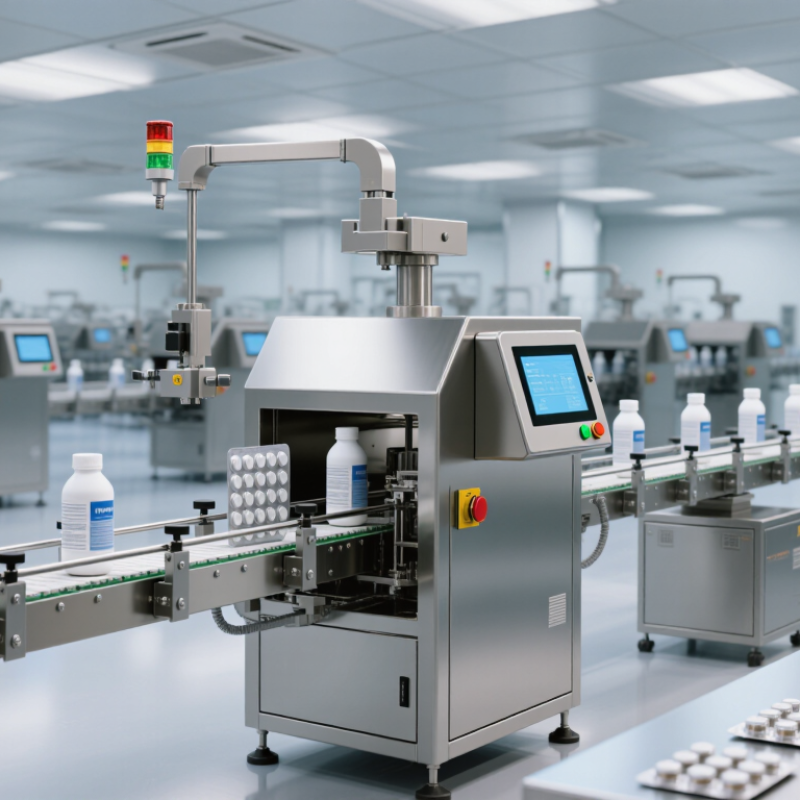
A pharmaceutical checkweigher verifies each pack’s weight while it moves along a production line. Load cells capture weight signals, and a controller compares each reading with preset limits. Conveyor spacing, vibration, and product presentation affect accuracy. OIML Recommendation R 51-1 defines accuracy classes X and Y for automatic catchweighers, helping engineers set suitable performance targets. A class label alone, however, cannot validate a specific production line. WHO’s 2017 review of 100 studies estimated a 10.5% prevalence of substandard or falsified medical products in low- and middle-income countries. Weight checks are only one quality signal; they cannot confirm ingredients or sterility.

In operation, packs are weighed individually, then accepted or diverted according to configured limits. Teams should test the system at normal line speeds and across representative pack sizes. Verify reject mechanisms, too. A correct reading means little if a rejected pack stays on the conveyor. Records of calibration, challenge tests, and adjustments help make performance traceable, though documentation can become routine paperwork if nobody reviews it.

Tips: Use check weights near operating limits during setup and scheduled checks. Watch for belt vibration and inconsistent spacing. If readings drift, pause and investigate before changing thresholds. Do not assume the machine is always right.
Regulatory and Validation Requirements for Pharmaceutical Weighing

Pharmaceutical checkweighers need more than a stable reading. Their controls must support the intended use, documented procedures, and reliable records. Under 21 CFR 211.68, automated equipment requires appropriate calibration, inspection, and checks, with records maintained. FDA’s data-integrity guidance also emphasizes reliable, complete data. Keep it traceable.

USP General Chapter <41>, Balances, sets a useful measurement benchmark: repeatability standard deviation should not exceed 0.10% of the test weight. Its minimum-weight calculation is 2,000 times the standard deviation. This chapter addresses balances, not every inline checkweigher. A checkweigher therefore needs product-specific qualification, with test packs that reflect actual package weights, line speed, and environmental conditions. Small errors matter.

A sound validation plan documents installation, operating ranges, challenge tests, reject confirmation, and alarm response. Verify that underweight and overweight test packs are detected and physically rejected. Record results, deviations, and corrective actions; assess electronic records and access controls under 21 CFR Part 11 when applicable. A polished protocol can still miss a jammed reject bin. Operators should test that path during qualification and routine checks. The uncomfortable question is whether every shift follows the procedure when production pressure rises.

Key Criteria for Comparing Pharmaceutical Checkweighers

For pharmaceutical checkweighers, comparison should start with the product and the production line, not a headline accuracy figure. Confirm the stated weighing range, repeatability, and performance at your actual line speed. A machine may handle small bottles well but struggle with larger cartons or changing product formats. Test representative packs, including those near the minimum and maximum weights.

Review how operators verify performance and access calibration or maintenance records. Check whether rejected packs are clearly separated and whether alarms are easy to understand. For cleaning, inspect contact surfaces, frame gaps, and access around the conveyor. Small details matter. Integration also deserves attention: confirm that weight results and rejection events can be recorded in a format your team can review.

Tips: Bring real production samples to the evaluation. Ask for repeated runs, not just one successful pass. Note changeover time, noise, and how easily staff can reach adjustment points. A polished specification sheet cannot show every shop-floor issue. That is an imperfect part of selection; sometimes the practical trade-off only appears during a trial. Choose criteria your operators and quality team can verify consistently.

Seven Pharmaceutical Checkweighers to Consider in 2026

For 2026, pharmaceutical teams can compare seven checkweigher configurations against their actual products and line conditions. A high-speed inline model suits continuous production, while a compact unit fits lines with limited floor space. A precision model may better handle small, lightweight packs. Test it with representative product, not just a calibration weight. Small differences matter.

A multi-lane system can weigh parallel streams, but lane-to-lane variation deserves close attention. A washdown-ready design may suit areas with frequent cleaning; confirm its materials and ingress protection match the site’s cleaning routine. A checkweigher with reject verification can help detect failed removals, while an integrated inspection-and-weighing unit may reduce equipment footprint. More functions can also mean more setup work.

The seventh option is a flexible system with quick changeover settings for varied pack formats. Look closely at usable weight range, belt speed, repeatability, data records, and how operators investigate out-of-tolerance results. Ask suppliers to run trials using your containers, fill weights, and line speed. Then review rejects and records with production and quality staff. A polished demonstration is useful, but it may not reveal awkward changeovers or occasional false rejects. I would treat those details as selection criteria, not minor inconveniences.

Choosing a Checkweigher for Different Production Applications

A pharmaceutical checkweigher should match the product, package, and pace of the line. Tablets in bottles, sealed sachets, and small cartons behave differently on a conveyor. Start by checking the package weight range and the line’s actual operating speed, not just its advertised maximum. Small, lightweight packs may shift or bounce, so stable spacing and careful conveyor setup matter. A few grams can matter.

For bottle lines, consider whether containers arrive upright and evenly spaced. For cartons, check that flaps and inserts do not affect weighing stability. Sachets may need gentler handling to prevent folds from catching near the weighing section. Also review how rejected packs are removed and confirmed. A reject mechanism that is hard to inspect can create avoidable uncertainty during a busy shift.

Think about cleaning access, changeover time, and the records operators need to review. Clear weight trends and reject logs can help teams investigate recurring variation, but data alone will not explain every cause. Test the system with representative packs at normal production speed. Then repeat tests after a format change. No specification sheet captures every real line condition; that is easy to underestimate. The best choice is the one your operators can verify, clean, and use consistently.

7 Best Pharmaceutical Checkweighers for 2026?

Choosing a Checkweigher for Different Production Applications

Selection guide: The options below represent application-based checkweigher configurations, not a ranked list of specific products. Actual throughput, accuracy, and suitability depend on the product, package, line conditions, and validated system setup.

Application Suitable product or package Configuration to consider Key selection priorities Integration and quality considerations
1. Bottled tablets and capsules Capped bottles of tablets or capsules In-line dynamic checkweigher for filled, closed bottles Stable bottle handling, suitable weighing range, controlled spacing, and reliable rejection of out-of-limit containers Coordinate with the filling and capping line. Define product-specific limits and verify performance with representative bottles.
2. Blister packs and strip packs Sealed, relatively light blister cards or strips Sensitive, low-load conveyor checkweigher matched to the pack dimensions Vibration control, consistent product transfer, appropriate belt width, and handling that avoids pack damage Test with the actual pack format and line speed; small weight differences may require careful installation and process control.
3. Sachets and powder packets Flexible single-dose packets and small pouches Compact checkweigher with a belt or guide system suited to flexible packs Preventing packet overlap, controlling flutter, and maintaining repeatable presentation on the weighing conveyor Confirm that seals and packet shape remain stable during conveyance; test multiple product and film combinations.
4. Cartons and folding boxes Cartons containing blister packs, bottles, leaflets, or combinations of components Dynamic checkweigher positioned after cartoning and closure Carton stability, conveyor support, product spacing, and limits that account for normal component-weight variation Useful for identifying gross weight deviations; weight alone does not confirm the identity or presence of every component.
5. Multi-lane packaging lines Products discharged from parallel filling or packaging lanes A checkweighing arrangement designed for the actual lane layout, such as individual lane units or a validated lane-merging system Lane identification, controlled product spacing, clear reject routing, and prevention of product mix-ups Assess each lane under normal operating conditions. Confirm that rejected units can be traced to the correct lane and batch records.
6. Hygienic or washdown areas Products and packages handled in areas with defined cleaning or washdown procedures Checkweigher built with materials, enclosure protection, and conveyor components appropriate to the site’s cleaning method Cleanability, drainage, corrosion resistance where required, and protection of weighing and electrical components Match the equipment’s documented protection and cleaning instructions to the facility’s actual cleaning agents and procedures.
7. Batch-recorded or regulated packaging lines Finished packs weighed on lines requiring controlled settings and documented checks Checkweigher with suitable access controls, configurable data capture, and interfaces compatible with the site system Recipe control, clear alarm and reject handling, data review, and support for documented calibration and verification procedures Assess electronic records and system controls against applicable regulations and company procedures; requirements depend on intended use and jurisdiction.

Before selection: Confirm the product and package weight range, dimensions, line speed, allowable weight limits, environmental conditions, reject method, data needs, and qualification approach with the equipment supplier and site quality team.

Packaging machine ROI calculator

Need help figuring out if packaging automation is right for your business?


First, start with the numbers. Download our free packing machine ROI calculator to learn how long it will take for an investment in automation to pay for itself (and much more).


Free packaging automation ROI calculator