


7 Tips to Choose the Best PPR Heater Machine?

Choosing the right Ppr Heater Machine can determine whether a pipe joint stays reliable or fails under pressure. In real workshop conditions, the difference often appears in small details: uneven heating, a loose thermostat, or a plate that cools too quickly. A machine may look powerful on paper, yet perform poorly during repeated installation work.

This guide shares seven practical tips for evaluating heating power, temperature control, socket quality, portability, safety features, and after-sales support. These points reflect common concerns faced by plumbers, contractors, and maintenance teams. A dependable unit should heat PPR pipes evenly, hold a stable temperature, and make each connection easier to inspect. Clear indicators and heat-resistant handles also matter when the workspace is crowded or dusty.

Small details matter.

Experience has taught many installers not to choose by wattage alone. A higher rating does not automatically mean better control or longer service life. Some machines feel solid during a short test but become difficult to handle after hours of work. That weakness is easy to overlook. No checklist is perfect, either. Pipe size, job frequency, local voltage, and operator skill can change the best choice. By examining these factors carefully, buyers can reduce wasted material, improve joint consistency, and select a Ppr Heater Machine that fits real working conditions rather than marketing promises.
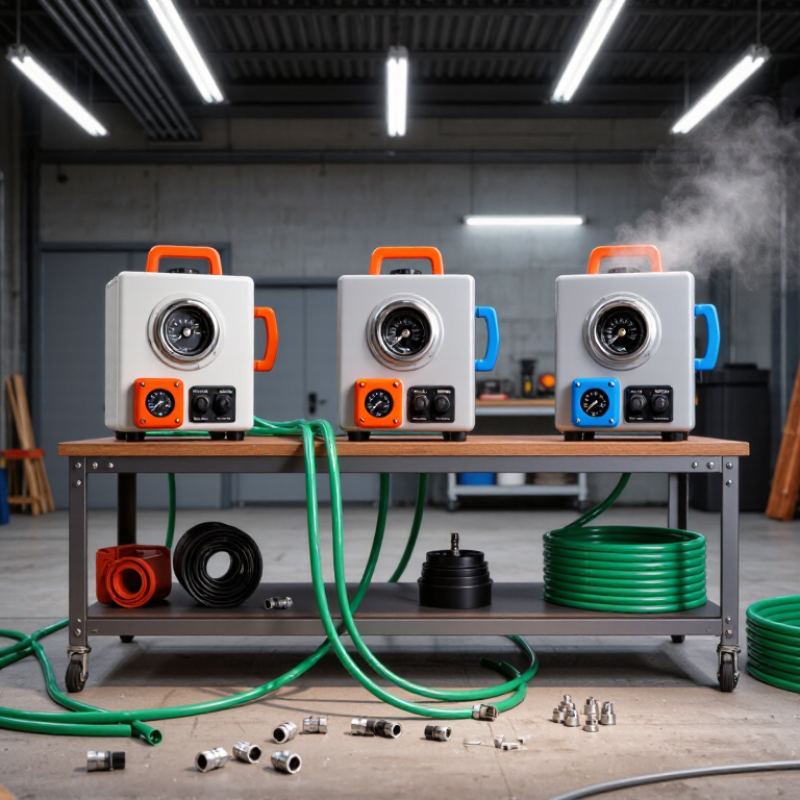
7 Tips to Choose the Best PPR Heater Machine?

What Is a PPR Heater Machine and How Does It Work?

A PPR heater machine softens polypropylene random copolymer pipe and fittings for socket fusion. It uses an electrically heated plate with matching male and female dies. The pipe end melts around the fitting socket, then both parts join under controlled pressure. After cooling, the joint becomes one continuous plastic connection.

ISO 15874 sets performance requirements for polypropylene piping systems. DVS 2207-11 also provides practical guidance for heating and joining thermoplastics. The 2023 PlasticsEurope report recorded 400.3 million tonnes of global plastics production in 2022. This scale shows why stable processing matters. Still, a higher temperature is not automatically better. Excess heat can create an internal bead and restrict water flow.

Tip 1: Check temperature accuracy with an independent thermometer.

Tip 2: Choose dies that match the pipe size.

Tip 3: Confirm the machine reaches its rated temperature quickly.

Tip 4: Select a firm frame and non-slip base.

Tip 5: Keep heating surfaces clean and undamaged.

Tip 6: Follow the pipe maker’s heating time, insertion depth, and cooling period.

Tip 7: Inspect the finished joint for even fusion, alignment, and excessive internal swelling.

Small errors matter. A cheap temperature display may look professional but still drift during repeated work. Calibration is often overlooked, and that is a weakness worth correcting.
Identify the Right Machine Type for Your PPR Pipe Projects

PPR projects need the right heater machine, not simply the hottest one. ISO 15874 defines performance requirements for polypropylene piping systems, while DVS 2207-11 emphasizes controlled heating and clean joint preparation. In field work, socket fusion is usually suitable for small indoor pipes. Butt-fusion equipment fits larger diameters and workshop fabrication. Electrothermal tools are different and should not be confused with standard heater plates.

Tip 1: Match the machine to the pipe diameter. A 20 mm pipe needs a different socket set than a 110 mm line. Tip 2: Check the temperature range. Many PPR socket-fusion procedures use about 260°C, but the machine must hold that temperature steadily. Tip 3: Choose interchangeable dies for mixed project sizes. Fixed tooling can become expensive and inconvenient.

Tip 4: Prefer a calibrated thermostat and clear temperature indicators. DVS guidance stresses process control, not guesswork. Tip 5: Inspect heating-plate coating and die alignment before every job. Tip 6: Select a portable unit for repair work, but use a stable frame for long production runs. Tip 7: Confirm electrical protection and local operating requirements. The OECD Global Plastics Outlook reported global plastic waste reached 353 million tonnes in 2019, so reducing failed joints and discarded pipe matters. I still find temperature readings can be misleading near dusty sites. Record heating times, ambient conditions, and joint results; small notes often reveal the real machine problem.

7 Tips to Choose the Best PPR Heater Machine? - Identify the Right Machine Type for Your PPR Pipe Projects

Tip Selection Dimension Recommended Machine Type Typical Working Range or Specification Why It Matters Practical Check Before Purchase
1 Pipe Diameter Range Socket fusion heater for small diameters; butt fusion machine for larger diameters Socket fusion is commonly used for approximately 20–110 mm pipes. Butt fusion equipment is commonly selected for pipes from about 63 mm upward, depending on the model. The heater, clamps, dies, and heating plate must match the outside diameter and wall thickness of the pipe system. List the smallest and largest pipe diameters used on the project and confirm that the machine includes compatible heating sockets, inserts, or tooling.
2 Connection Method Socket fusion, butt fusion, or electrofusion equipment Socket fusion heats the pipe outside and fitting inside. Butt fusion heats and joins matching pipe ends. Electrofusion uses fittings with embedded electrical heating wires. Each method requires different equipment, operator procedures, and installation space. Choose the method specified by the pipe and fitting manufacturer, local installation standard, and project design.
3 Heating Temperature Control Thermostatically controlled heating plate or electronically controlled system PPR fusion is generally performed with a heating surface near 260°C, while the exact value and heating time should follow the applicable standard and manufacturer instructions. Stable temperature helps create a uniform melt layer and reduces the risk of cold joints, overheating, or material degradation. Check the temperature adjustment range, display readability, sensor response, and whether the heating surface maintains an even temperature.
4 Power Supply and Heating Speed Portable single-phase unit for field work; higher-power unit for continuous workshop use Many portable heaters operate on 110–120 V or 220–240 V AC. Typical power ratings vary from approximately 600 W to more than 2,000 W, depending on size and design. Insufficient power can lengthen warm-up time and reduce productivity, especially in cold environments or during repeated joints. Compare the machine voltage and wattage with the available supply, generator capacity, extension-cord rating, and expected daily workload.
5 Portability and Installation Space Handheld or compact bench-mounted heater for confined locations; hydraulic or powered frame for large pipes Compact socket-fusion tools are suitable for repair work and indoor installations. Framed butt-fusion machines provide controlled alignment but require more working clearance. A machine that is difficult to position can cause pipe misalignment, uneven pressure, or unsafe handling. Measure access openings, trench width, wall clearance, and available workspace before selecting the machine format.
6 Clamping, Alignment, and Pressure Control Guided socket tool for basic joints; clamping and hydraulic systems for repeatable butt fusion Butt-fusion machines normally use fixed or adjustable clamps, a facing tool, a heating plate, and a controlled joining mechanism. Pressure requirements depend on pipe size, SDR, material, and procedure. Accurate alignment and controlled joining force are essential for a consistent fusion bead and reliable joint strength. Inspect clamp rigidity, alignment adjustment, facing-tool quality, pressure control, and the availability of pipe supports.
7 Safety, Maintenance, and Verification Machine with insulated handles, stable support, replaceable non-stick coatings, and accessible service parts The heating plate should have electrical protection and a durable non-stick surface. Operators should use heat-resistant gloves and follow documented heating, insertion, cooling, and inspection procedures. Good safety features and maintenance access reduce burns, electrical risks, contamination, and inconsistent weld quality. Confirm electrical protection, grounding requirements, calibration or temperature verification options, spare-part availability, cleaning instructions, and training documentation.

Important: Temperature, heating time, insertion depth, cooling time, and joining pressure vary with pipe diameter, wall thickness, material grade, ambient conditions, and the applicable installation standard. Always follow the approved fusion procedure for the specific PPR pipe and fitting system.

Compare Heating Power, Temperature Control, and Heating Speed

Choosing the best PPR heater machine starts with the pipe sizes you actually install. Check heating power against socket capacity and daily workload. Higher wattage can shorten warm-up time, but it may waste energy on small fittings. Look for stable output, not impressive numbers alone. A practical test is simple: measure the time needed to heat a cold die and a loaded die.

Temperature control deserves close attention. Choose a machine with a clear display, adjustable settings, and a responsive thermostat. Confirm that the reading remains steady while several joints are prepared. Uneven heat can soften one side of a pipe and weaken the joint. Check whether the heating plate distributes heat evenly across its surface. Verify the recommended temperature range in the technical manual. Some controls look precise but react slowly. That matters.

Heating speed is useful only when temperature stability follows it. Compare warm-up time, recovery time, and performance after repeated cycles. Select durable, well-insulated handles and a plate that resists surface damage. Inspect calibration records or request a practical demonstration before purchase. Keep spare dies available for common pipe diameters. I once favored speed over control; the first joints looked fine, but later alignment exposed the mistake. A slower, steadier machine is often easier to trust on site.

Check Pipe Compatibility, Construction Quality, and Safety Features

7 Tips to Choose the Best PPR Heater Machine?

Choosing a PPR heater machine starts with pipe compatibility, not the lowest price. Check the pipe diameter range and included socket sizes. The machine should heat your actual PPR materials evenly. Review its temperature range, heating time, and fitting instructions. A loose socket can produce an uneven joint. That mistake is easy to miss.

Construction quality affects daily work. Look for a thick heating plate and firmly attached sockets. Stainless steel surfaces usually resist workshop wear and cleaning. A stable base prevents the hot tool from tipping. Insulated handles reduce discomfort during repeated installation. Check the power cord, plug, and housing for signs of weakness. Small details matter. However, a heavy body does not always mean better performance. I once treated weight as proof of quality, but that assumption was incomplete.

Safety features deserve careful attention. Choose adjustable temperature control with a clear indicator light. Overheat protection can reduce damage during long jobs. A grounded plug and heat-resistant cable are important for safer operation. Confirm that the electrical design suits your workplace and local requirements. Keep the heater on a dry, stable surface. Use protective gloves and eye protection when handling heated pipes. Read the technical sheet, not only the sales description. Test one sample joint before starting a large installation. The result should show even melting, proper alignment, and no visible gaps. Temperature settings may need small adjustments. That is normal.

Evaluate Portability, Maintenance Needs, and Overall Operating Cost

7 Tips to Choose the Best PPR Heater Machine

Tip 1: Check portability before comparing heater power. A compact machine with a handle, protective case, and a two-meter cable moves easily between floors. It should remain stable on a narrow workbench. Excessive weight becomes tiring during repeated pipe joints. Practical site checks often reveal this weakness.

Tip 2: Compare maintenance needs, not only the purchase price. Look for replaceable heating plates, clear temperature controls, and accessible electrical components. PPR welding commonly requires controlled heating near 260°C, consistent with guidance used around ISO 15874 piping systems. A damaged coating can affect joint quality. That detail is easy to miss.

Tip 3: Calculate operating cost from real measurements. Record rated watts, warm-up time, working hours, and local electricity tariffs. The IEA Electricity 2024 report forecasts global electricity demand to grow by about 3.4% annually through 2026. Energy prices may therefore deserve more attention. A 1,500-watt heater running four hours consumes roughly 6 kWh, before cycling losses.

Tip 4: Inspect thermostat accuracy and temperature recovery. A machine that reheats slowly can delay crews and increase idle consumption. Choose models with readable displays and stable thermal control. Keep spare fuses and inspect cables regularly. Small failures create large interruptions.

Tip 5: Evaluate the full operating cost. Include transport, calibration, replacement plates, downtime, and technician training. The cheapest unit is not always economical. I have seen buyers overlook storage damage and regret it later. That judgment may sound obvious, yet it remains common.

7 Tips to Choose the Best PPR Heater Machine

Estimated annual operating cost by selection factor for a generic PPR heater machine

This planning model uses a 2,000-hour annual workload, an electricity rate of $0.15/kWh, labor at $25/hour, and routine maintenance based on typical inspection and replacement tasks. Prioritize portability, stable temperature control, durable heating elements, easy cleaning, accessible spare parts, safe operation, and total operating cost rather than purchase price alone.

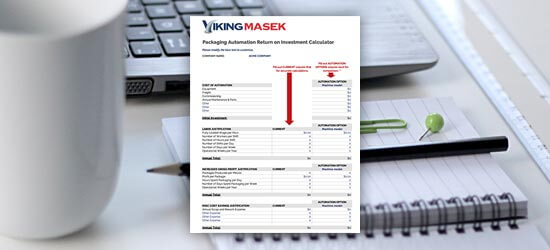
Packaging machine ROI calculator

Need help figuring out if packaging automation is right for your business?


First, start with the numbers. Download our free packing machine ROI calculator to learn how long it will take for an investment in automation to pay for itself (and much more).


Free packaging automation ROI calculator