Why is Aeration Process Vital in Wastewater Treatment?
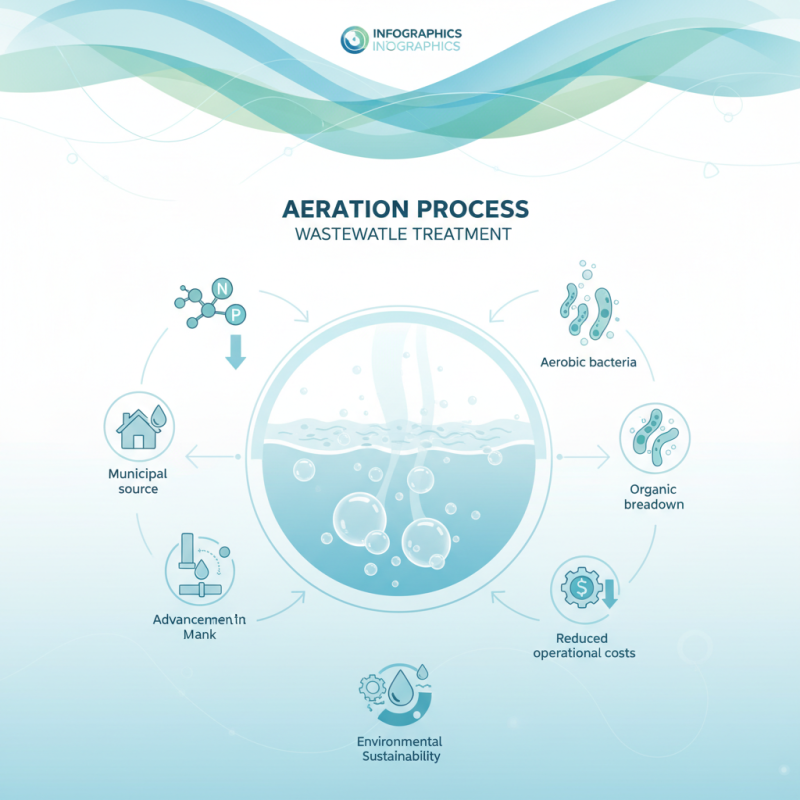
The Aeration Process In Wastewater Treatment plays a critical role in enhancing the efficiency of treatment systems. According to the U.S. Environmental Protection Agency (EPA), about 85% of total nitrogen and 75% of total phosphorus in wastewater originate from municipal sources. Effective aeration can significantly reduce these pollutants, improving water quality before discharge. The process fosters the growth of aerobic bacteria, essential for breaking down organic matter.
Several industry reports highlight the importance of aeration. A study by Water Environment Federation indicates that poorly designed aeration systems can lead to a 30% increase in operational costs. This raises questions about the effectiveness of current practices. Many facilities struggle to maintain optimal aeration levels, affecting overall treatment performance.
Moreover, as wastewater treatment technology evolves, considering diverse aeration methods becomes crucial. Traditional systems may not suffice for emerging contaminants and stricter regulations. Constant evaluation of aeration techniques will support advancements in treatment efficiency. Thus, the Aeration Process in Wastewater Treatment is not just vital; it is a focal point for ongoing improvement and environmental sustainability.
Importance of Aeration in Enhancing Biological Processes in Wastewater
Aeration is a crucial step in the wastewater treatment process. It improves the biological activity needed to break down organic matter. During aeration, oxygen is introduced into the water, which stimulates the growth of microorganisms. These tiny organisms are essential for consuming pollutants. Without adequate aeration, these processes slow down, leading to inefficient treatment.
Moreover, proper aeration helps in controlling odors and reducing toxic compounds. As microorganisms thrive, they convert harmful substances into less harmful ones. This transformation is vital for achieving cleaner water. However, not all aeration systems work efficiently. Some facilities struggle with uneven distribution of air. This can hinder the growth of beneficial bacteria.
Attention to detail in aeration can improve treatment outcomes. Monitoring the oxygen levels is important. If levels drop, the treatment process can stall. Knowing the right balance is key. Each facility may face unique challenges, requiring tailored solutions. The aeration process is complex and deserves careful consideration. Effective aeration ensures that wastewater treatment meets the required environmental standards.
Why is Aeration Process Vital in Wastewater Treatment?
| Parameter | Importance of Aeration | Impact on Biological Processes | Typical Aeration Techniques |
| Dissolved Oxygen Levels | Essential for aerobic microorganisms | Promotes breakdown of organic matter | Diffused Aeration, Surface Aerators |
| BOD Reduction | Facilitates the oxidation of contaminants | Enhances microbiological activity | Mechanical Aerators, Fine Bubble Aeration |
| TSS Removal | Improves sediment flocculation | Increases efficiency of clarifiers | Submerged Aerators, Jet Aeration |
| Nutrient Removal | Contributes to the nitrogen cycle | Facilitates nitrification and denitrification | Aerosol Aerators, Bubble Diffusers |
| Odor Control | Reduces foul odors in effluent | Promotes favorable microbial populations | Cascade Aeration, Venturi Aeration |
Role of Oxygen Transfer Efficiency in Aeration Systems for Wastewater Treatment
Aeration is a critical process in wastewater treatment, particularly due to its role in oxygen transfer efficiency. Oxygen transfer efficiency (OTE) measures how effectively oxygen is delivered to wastewater during treatment. Optimal OTE is crucial because it directly impacts the biological processes that degrade pollutants.
According to the Water Environment Federation, an ideal aeration system can achieve an OTE of over 20%. However, many facilities often fall short, with efficiencies closer to 10% to 15%.
The factors influencing OTE include the design of the aeration system, the type of aerators used, and the characteristics of the wastewater. For instance, diffused aeration systems generally outperform mechanical aerators in terms of efficiency. A study from the American Society of Civil Engineers highlighted that improperly sized equipment can lead to excessive energy use. In some cases, inefficient aeration contributes to higher operational costs and reduces treatment effectiveness.
Maintaining high OTE is not just a technical challenge; it also requires regular maintenance and monitoring. Many systems experience fouling, which diminishes performance. According to industry reports, up to 30% of wastewater facilities struggle with maintaining their aeration systems. Addressing these issues is vital for regulatory compliance and environmental safety. Understanding these challenges can lead to better design and operational choices, ultimately improving the sustainability of wastewater treatment processes.
Impact of Aeration on Organic Matter Removal Rates in Treatment Plants
Aeration plays a critical role in wastewater treatment. It significantly impacts organic matter removal rates in treatment plants. Research shows aeration can increase the removal efficiency of biochemical oxygen demand (BOD) by over 90%. This high efficiency helps in transforming wastewater into safer discharge.
In typical aeration processes, dissolved oxygen levels are closely monitored. Maintaining these levels can facilitate the growth of aerobic bacteria. These bacteria are crucial for breaking down organic matter. According to industry reports, optimized aeration contributes to a 25-50% reduction in sludge production. This reduction is vital for overall system sustainability and cost-effectiveness.
However, not all aeration systems are equally effective. Some facilities may struggle with insufficient oxygen transfer rates. Such issues can hinder the removal of organic pollutants. Moreover, operational challenges may arise from excessive energy consumption in aeration systems. Balancing energy use while achieving desired removal rates remains a pressing concern in the industry.
Comparative Analysis of Aeration Techniques: Diffused Air vs. Mechanical Systems
Aeration is crucial in wastewater treatment. It enhances the breakdown of organic materials by supplying oxygen to microorganisms. Two primary techniques are used: diffused air and mechanical systems. Each has its advantages and limitations, making them suited to different applications.
Diffused air systems release air through fine bubbles underwater. This promotes efficient oxygen transfer. They are generally cost-effective and simple to maintain. However, their efficiency can be affected by factors like water temperature and bubble size. Ensuring optimal performance requires regular monitoring and adjustments.
Mechanical aeration systems use blades or mixers to agitate the water. They provide robust aeration but can be energy-intensive. The maintenance needs are more significant, demanding expertise for proper care. Striking a balance between energy consumption and aeration effectiveness can be challenging. Each method has its merits, but selecting the right system often reflects the specific conditions of the wastewater being treated.
Environmental Benefits of Effective Aeration in Reducing Pollution Levels
Aeration plays a crucial role in wastewater treatment by enhancing the breakdown of organic pollutants. This process introduces air into the water, promoting the growth of beneficial bacteria. These microorganisms thrive on the organic matter, effectively reducing pollution levels. As a result, aeration significantly improves water quality before it is released back into the environment.
One tangible benefit of effective aeration is its ability to lower the levels of harmful chemicals in treated wastewater. When oxygen is present, aerobic bacteria can convert toxic substances into harmless byproducts. This transformation is essential for protecting aquatic life and maintaining ecosystem balance. Additionally, reduced pollution levels lead to healthier waterways, benefiting surrounding communities.
Tips for optimizing aeration include regularly monitoring oxygen levels in treatment systems. An imbalance can hinder bacteria activity, affecting pollution reduction. Keeping aeration equipment well-maintained ensures efficient performance. Another consideration is the design of aeration systems; tailored solutions can enhance oxygen transfer rates. Reflecting on these practices can lead to better management of wastewater treatment facilities. Effective aeration is not just a technical process; it's a vital step toward environmental sustainability.
Impact of Aeration in Wastewater Treatment
The bar chart illustrates the significant reduction in pollution levels achieved through the aeration process in wastewater treatment. The data shows that pollution levels decreased from 150 mg/L before aeration to 30 mg/L after aeration, highlighting the effectiveness of this process in reducing harmful contaminants.