What is an Air Muffler Silencer and How Does It Work?
Air Muffler Silencer plays a crucial role in noise reduction across various industries. According to a recent report by the International Journal of Environmental Research, excessive noise pollution can lead to health risks, including stress and hearing loss. In industrial settings, noise levels often exceed 85 decibels, making air muffler silencers essential for maintaining safety standards.
The Air Muffler Silencer works by dissipating sound waves generated by air exhaust systems. It uses sound-absorbing materials to reduce decibel levels effectively. In fact, properly installed mufflers can lower noise by up to 30 decibels. This significant reduction can enhance workplace comfort and productivity.
However, it's not always perfect. Some air mufflers may fail to provide adequate noise reduction due to improper sizing or installation. Many users overlook maintenance, leading to performance issues. Regular checks and adjustments can ensure optimal functioning. Understanding these drawbacks helps industry professionals make informed decisions about their noise control solutions.
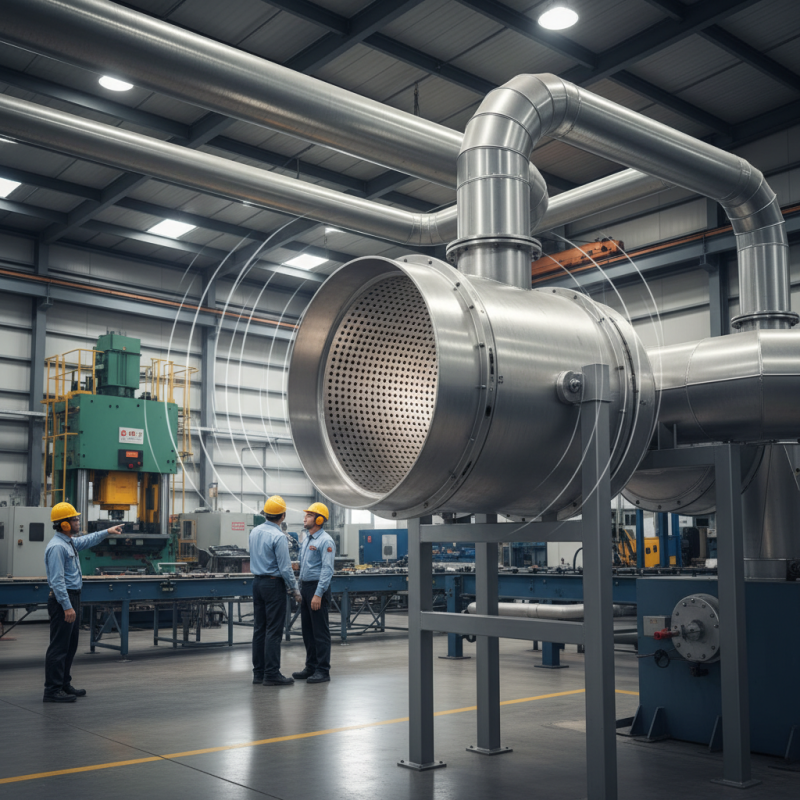
What is an Air Muffler Silencer?
An air muffler silencer is a device designed to reduce sound. It's commonly used in various machinery and equipment. This tool lowers noise pollution, creating a quieter workspace. Understanding how it works can help in selecting the right model.
The air muffler operates by dissipating sound waves. It usually contains acoustic materials that absorb sound. When noise travels through the muffler, these materials minimize vibrations. As a result, sound intensity decreases significantly. You’ll often find this in industrial settings or in HVAC systems. It's an essential component for maintaining comfort in noisy environments.
**Tip:** Regular maintenance can enhance the performance of an air muffler. Check for any blockages or physical damage. Make sure it’s installed correctly for optimal efficiency.
Choosing an air muffler silencer requires careful consideration. Not all models suit every application. Their effectiveness may vary based on design and intended usage. Take time to research options and consult professionals if needed. Proper selection leads to better results and a quieter environment.
Air Muffler Silencer Performance Data
Key Components of an Air Muffler Silencer
An air muffler silencer is essential in reducing noise from air-powered tools and equipment. It consists of specific components that work together to achieve optimal performance. Key components include a sound-absorbing material, baffles, and a housing. The sound-absorbing material dampens noise by converting sound energy into a minimal level of vibration. Baffles help disrupt sound waves, further reducing noise levels.
Choosing the right silencer can be tricky. Different applications might require distinct types of silencers. A proper fit is crucial for performance. Airflow must also be considered. Too much restriction can reduce air pressure. On the other hand, too little may not achieve the desired noise reduction.
Always check the condition of your muffler. A damaged component can lead to decreased efficiency. Regular maintenance ensures optimal functionality. Cleaning dusty areas and inspecting for wear can prolong the silencer's life. When in doubt, consult with an expert. They may offer insights that you overlooked.
How Air Mufflers Control Noise Levels
Air mufflers, often referred to as silencers, play a crucial role in controlling noise levels produced by various machinery. They are designed to reduce the loud sounds generated during operation. By doing so, they promote a more peaceful environment. A well-functioning air muffler can significantly lower noise intensity, creating a comfortable space for people working nearby.
The mechanism behind air mufflers is fascinating. They employ sound-dampening materials that absorb sound waves. As noise travels through these materials, it weakens and dissipates. This process is not always perfect, though. Some mufflers might not effectively reduce all frequencies. This leaves certain sounds unnerving and disruptive, particularly in quieter settings. Understanding the limitations of an air muffler skews a user's expectations.
In practical applications, the performance of air mufflers varies. Factors such as installation position, air pressure, and design all influence effectiveness. It's essential to regularly check and maintain these mufflers. Some users overlook this aspect, leading to a decrease in noise control. Even a simple inspection could mitigate these issues.
The Working Mechanism of Air Muffler Silencers
Air muffler silencers play a critical role in noise reduction. They are often used in various machinery and equipment. These devices help minimize sound emissions, creating a more pleasant environment. Understanding how they work is essential for optimizing their performance.
The working mechanism of air muffler silencers involves several key components. They usually consist of chambers and baffles that disrupt sound waves. As air passes through, its flow is altered, causing vibrations to dissipate. This design reduces noise and enhances efficiency. However, sometimes the material quality can be inconsistent, affecting durability.
Noise reduction is crucial for workplaces, yet specific challenges remain. Not all air mufflers are created equal. Some may not fit perfectly in every system, leading to leakage and inefficiencies. Users need to evaluate their choices carefully. Regular maintenance is essential as well. Dust and debris can build up, impacting noise performance. Thoughtful consideration of these factors is vital for achieving optimal results.
Applications and Benefits of Air Muffler Silencers
Air muffler silencers play a crucial role in various industries. They help reduce noise levels from pneumatic systems, making workplaces safer and more comfortable. According to industry studies, noise pollution can lead to hearing loss and decreased productivity among workers. Air mufflers are designed to minimize these risks by muffling the sound of compressed air release.
In manufacturing settings, air mufflers are valuable. They enhance worker safety by lowering the decibel levels. In one study, environments equipped with air mufflers showed a 30% decrease in noise-related complaints. This improvement leads to higher worker satisfaction and better focus. Trustworthy installation is critical, as poorly fitted mufflers may not deliver the expected performance.
Tips: Regular maintenance of air mufflers ensures they function effectively. Dirt and debris can obstruct their performance. Consider checking them bi-annually for optimal results. Proper sound measurement tools can help assess effectiveness. If noise levels remain high, reevaluate your system.
The versatility of air mufflers extends to automotive and HVAC systems. Their use results in more efficient operations and energy savings. Yet, manufacturers often overlook their placement. Improper installation can lead to increased emissions or ineffective noise reduction. Continuous monitoring and adjustments are essential to maximize benefits.
What is an Air Muffler Silencer and How Does It Work? - Applications and Benefits of Air Muffler Silencers
| Dimension | Description |
| Type | Pneumatic Muffler |
| Material | Aluminum / Stainless Steel |
| Standard Size | 1/4" - 1" NPT |
| Noise Reduction | Up to 30 dBA |
| Temperature Resistance | -20°C to 150°C |
| Applications | Industrial Machinery, Pneumatic Systems, HVAC |
| Benefits | Reduces Noise Pollution, Enhances System Efficiency, Protects Equipment |