Best Barcode Sticker Labels for Your Business Needs?
In the fast-paced world of business, the importance of Barcode Sticker Labels cannot be overstated. These labels play a crucial role in inventory management, enhancing operational efficiency. According to recent studies, effective labeling can reduce errors by up to 30%. This means businesses can save time and resources, which directly impacts the bottom line.
Moreover, the market for barcode labels is projected to grow significantly. A report by Smithers Pira indicates that the global demand for barcode labels will reach $23 billion by 2026. This statistic reflects the increasing reliance on automation and accuracy in various industries. However, selecting the right Barcode Sticker Labels can be challenging. Not all labels are created equal, and trends show that businesses often overlook crucial features, like durability and print quality.
Ultimately, making an informed choice about Barcode Sticker Labels requires knowledge and expertise. Companies may struggle with the balance between cost and quality, and that’s a vital consideration. The right labels can propel a business forward, while the wrong choice can lead to inefficiencies and increased costs.
Types of Barcode Sticker Labels for Different Business Applications
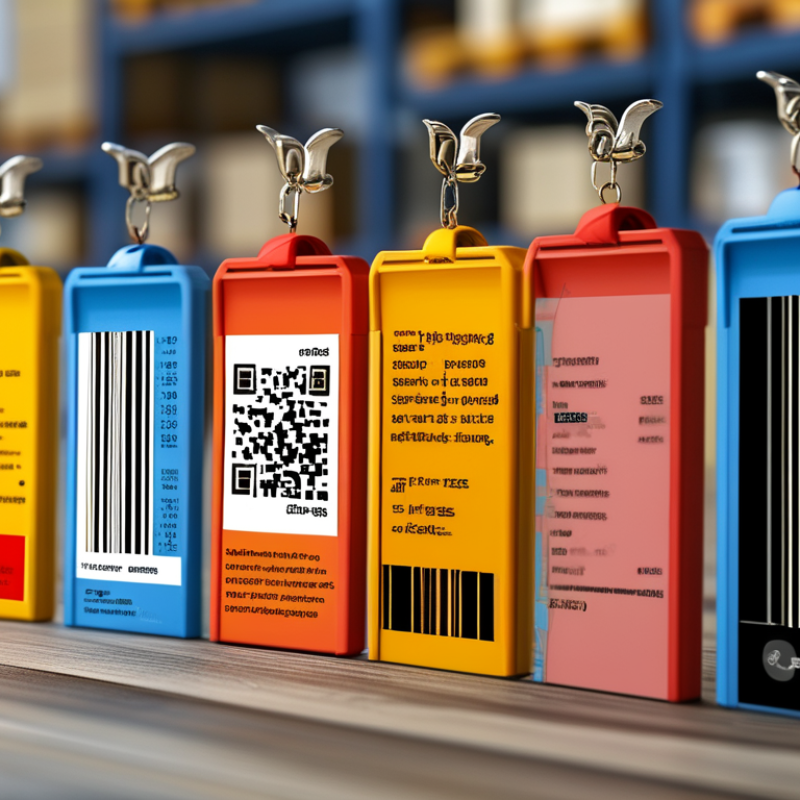
When selecting barcode sticker labels for business, it's vital to consider their applications. Different types serve distinct purposes. For inventory management, durable labels work best. They must withstand wear and tear, especially in warehouses. Choosing materials that resist moisture and temperature fluctuations is essential to prevent issues.
Retail businesses often use barcode labels for pricing and promotions. These labels should be easy to read and stick well on various surfaces. They may require special adhesives for plastic or glass containers. Label design can impact readability. Ensure the barcode is clear and properly sized.
Another aspect to consider is the printing method. Thermal transfer and direct thermal printing have different requirements. Each has advantages and drawbacks. Thermal transfer produces long-lasting images but requires ribbon. Direct thermal eliminates ribbon but may fade over time. Finding the right balance is crucial for your business's needs. Remember, sometimes the ideal label may not exist. Custom solutions could provide better results, but they might come with a higher cost. Each choice presents trade-offs that require reflection.
Best Barcode Sticker Labels for Your Business Needs
| Label Type | Material | Size (mm) | Durability | Application |
| Paper Labels | Paper | 50 x 30 | Medium | Retail Pricing |
| Vinyl Labels | Vinyl | 75 x 50 | High | Outdoor Use |
| Clear Labels | Polyester | 100 x 50 | Medium | Product Packaging |
| Thermal Labels | Thermal Paper | 80 x 40 | Low | Shipping and Logistics |
| Custom Labels | Various | Varies | High | Branding |
Factors to Consider When Choosing Barcode Sticker Labels
Choosing the right barcode sticker labels for your business can significantly impact efficiency. Several crucial factors come into play when making this decision. Durability is essential. Labels should withstand various environmental conditions. Consider materials that resist water, oil, and heat. This ensures your labels remain legible and intact.
Adhesive quality is another vital aspect. Some labels may peel off easily, especially in harsh environments. Opt for labels with strong adhesives that suit your specific surfaces. Testing a sample batch before placing a large order can avoid future issues. You may find that certain surfaces cause labels to fail.
Tip: Think about the printing method you'll use. Some materials work better with thermal printers while others may not. This can lead to unforeseen challenges if not considered.
Consider the size and design of the labels. They should fit well on your products. Oversized labels may look unprofessional. Small labels may not be scannable. Choosing the right dimensions ensures effective scanning and a polished appearance.
Tip: Don’t forget the barcode type that suits your industry best. Different sectors may require various formats. If you're unsure, consult industry guidelines to make an informed decision. This can help prevent costly mistakes later on.
Best Barcode Sticker Labels for Your Business Needs
Top Brands for High-Quality Barcode Sticker Labels
When selecting barcode sticker labels, quality matters significantly. Industry reports indicate that about 30% of barcode scans result in errors with low-quality labels. This impacts inventory accuracy and can lead to costly mistakes. High-quality labels, on the other hand, enhance scanning efficiency and improve data integrity.
Reputable manufacturers emphasize material durability and print clarity. Labels made from polyester or vinyl have proven to withstand harsh conditions. According to a survey, 65% of businesses experience fewer label failures with these materials. Such labels resist smudging and fading. Moreover, they maintain adhesion under varying temperatures and humidity levels.
Understanding the printing methods is essential. Flexographic and thermal transfer are commonly preferred due to their reliability. However, not all printers produce the same results. Users have reported that half of their label issues stem from printer malfunctions. Careful alignment and proper rollers are crucial for achieving optimal results. This highlights a common area for improvement among businesses focusing on label applications.
Best Practices for Printing and Applying Barcode Sticker Labels
When it comes to printing and applying barcode sticker labels, precision is key. Start by selecting the right label material that suits your environment. If your labels are for outdoor use, opt for weather-resistant materials. In a warehouse, durable, scratch-resistant labels are preferable. Always check the label's adhesive, as this affects its longevity and application.
Print quality plays a crucial role in the effectiveness of barcode labels. Low-resolution prints lead to scanning issues. Ensure the printer settings match the label type to avoid these problems. Regularly calibrate your printer to maintain quality. During application, clean the surface thoroughly to enhance adhesion. Avoid applying labels on curved surfaces, as this can cause peeling.
Application timing is another vital aspect. Apply labels immediately after printing. This prevents moisture and dust from impacting adhesion. Keep your inventory organized, and place labels in consistent locations for easy scanning. Reflecting on these practices can improve efficiency, leading to smoother operations. Consider areas where mistakes can happen, and strive for improvement.
Cost-Effective Solutions for Bulk Barcode Label Printing
When it comes to printing barcode labels for your business, cost-effectiveness is key. Many businesses opt for bulk printing options to reduce expenses. Investing in high-quality barcode sticker labels can lead to better efficiency in inventory management. Quality labels withstand wear and tear, reducing the need for frequent reprints.
Designing your labels should be straightforward. Keep the information clear and concise. Use simple fonts that are easy to read. Ensure the barcode is prominently displayed. Think about the environment where the labels will be used. Will they face moisture or extreme temperatures? Choosing the right materials can greatly enhance durability.
Consider sourcing your labels from reputable suppliers who specialize in bulk printing. Talk to professionals for insights on the best materials. Explore different adhesives based on your surface requirements. Testing is crucial. A small batch can reveal potential issues before you commit to larger orders. Regularly review your printing processes. Are they as efficient as they could be? Small adjustments can lead to significant savings over time.