


What Is the Best Combination Sweeper Scrubber in 2026?

Choosing the best Combination Sweeper Scrubber in 2026 depends on the floor, the debris, and the pace of daily work. A machine that cleans a wide warehouse aisle may be awkward in a crowded retail backroom. Dust, grit, packaging scraps, and sticky marks also place different demands on its sweeping and scrubbing systems.

Small details matter. Check the machine’s cleaning width against your narrowest aisle. Compare battery runtime with a full shift, not an ideal test run. Look at how easily operators can empty the debris hopper, refill the solution tank, and reach the brushes. Water recovery matters, too: a damp trail near a loading dock can slow work and create a slip concern. Specs help, but they do not tell the whole story.

This guide compares practical features, operating costs, and common trade-offs to help identify a suitable model for different facilities. It considers manufacturer specifications alongside real-world factors such as maneuverability, noise, maintenance access, and operator comfort. A supervised demonstration on your own floor is still valuable. Floors can surprise you. A model that looks efficient on paper may struggle with packed-in dust or frequent turns. And a high-capacity machine is not automatically the best choice. The right Combination Sweeper Scrubber should fit your space, cleaning schedule, and team—not just lead a comparison chart.
What Is the Best Combination Sweeper Scrubber in 2026?

What a Combination Sweeper-Scrubber Does

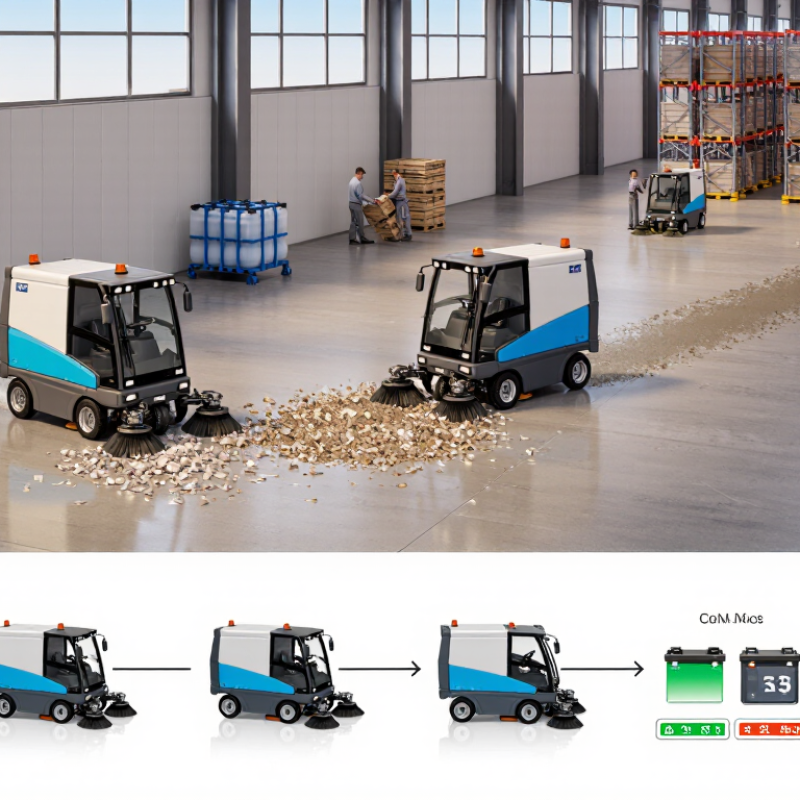
A combination sweeper-scrubber collects loose debris and washes the floor in one pass. A side brush or cylindrical brush moves grit into a hopper, while a separate scrub deck applies water and cleaning solution. Brushes or pads loosen tracked-in soil. A squeegee and vacuum then recover the dirty liquid. That matters. It can reduce separate sweeping and scrubbing passes, but it does not remove the need for careful route planning.

The U.S. Bureau of Labor Statistics recorded 450,540 workplace cases involving days away from work due to falls, slips, and trips in 2022, according to its Survey of Occupational Injuries and Illnesses. That figure covers many causes; it does not prove that floor machines prevent falls. Still, controlling loose grit and standing wash water is a practical housekeeping measure. Not every floor agrees. On tight aisles, textured surfaces, or areas with frequent obstacles, machine size, brush pressure, and recovery performance affect results. Operators should match the machine to the floor, empty the hopper regularly, and inspect the squeegee for streaks. A missed edge remains missed.

How Sweeping and Scrubbing Work Together

What Is the Best Combination Sweeper Scrubber in 2026?

How Sweeping and Scrubbing Work Together

A combination sweeper scrubber handles loose debris and sticky soil in one cleaning process. Its brushes gather grit, crumbs, and dust before the scrub system applies water and cleaning solution. This order matters. If dry debris mixes with cleaning liquid, it can form a muddy film or clog recovery components. Small detail, big difference.

On a typical hard floor, the machine’s brushes move debris toward a collection area while the scrub brushes work on the remaining dirt. A squeegee then pulls dirty water into a recovery tank, leaving less moisture behind. Operators should match brush pressure, water flow, and travel speed to the floor. Too much solution can leave streaks; too little may not loosen tracked-in grime. Not every floor behaves the same.

For busy corridors, a single pass can reduce separate cleaning steps, but it is not magic. Heavy spills or packed soil may need pre-treatment or another pass. Check the collected debris and recovery tank during the shift; a full tank or clogged filter can weaken cleaning results. Test settings on a small area, especially where floor texture changes.

Key Features to Compare in 2026 Models

A 2026 combination sweeper-scrubber should match the floor, debris, and work schedule—not just promise a higher cleaning rate. Compare the sweeping path with the scrub width: a wide scrub deck paired with a narrow pickup path can leave grit behind. Check how the machine handles dry dust, small packaging scraps, and damp residue. Inspect the recovery tank and squeegee design, too. If the squeegee leaves a thin trail on a smooth floor, operators may need extra passes. That sounds minor. It isn’t.

Battery runtime matters only when it reflects real use with brushes engaged and water flowing. Compare recharge time, tank capacity, noise, turning radius, and access to daily service points. A compact machine may fit between shelving, but a small tank can mean frequent stops.

The U.S. Bureau of Labor Statistics reported 2.6 million nonfatal workplace injuries and illnesses in private industry in 2023. That figure is not specific to floor cleaning, but it makes visibility, predictable braking, and effective water recovery practical comparison points.

Ask for a site demonstration on the actual floor, including a turn around a tight aisle. Published productivity figures can be optimistic; soil, layout, and operator habits change the result. Check brush and squeegee replacement steps before buying.

Which Machine Types Suit Different Facilities

A combination sweeper-scrubber collects loose grit and washes the floor in one pass. That can reduce repeat traffic in busy facilities. But the right machine depends on aisle width, floor area, debris, and cleaning schedules. Dry leaves near an entrance create different demands than fine dust in a warehouse. Measure twice.

Ride-on machines generally suit large warehouses, distribution centers, and broad production floors. Operators can cover long routes without walking the entire shift. Check turning space, door clearances, and where the machine can be stored and charged. Watch the turns. A large unit may clean quickly but struggle around tight pallet rows.

Walk-behind models fit smaller facilities, narrow aisles, and areas with frequent obstacles. They can give operators more control around checkout lanes, equipment, or furniture. Compact machines may also work well in clinics and retail spaces, where noise and access matter. For mixed debris, confirm the sweeper can handle the material before the scrubber lays down water. Otherwise, grit may smear or clog the collection system. A machine can look ideal on paper and still feel awkward after a full shift; a short floor trial is useful. Check recovery tanks, brush access, and whether staff can maintain the unit comfortably.

How to Match a Sweeper-Scrubber to Your Cleaning Needs

The best combination sweeper-scrubber is the one that fits your floor, debris, and daily schedule. A machine designed for smooth warehouse concrete may struggle on uneven surfaces or tight aisles. Look at what lands on the floor: dust, packaging scraps, grit, or sticky spills. The sweeper should collect loose material before the scrub deck washes the remaining soil. Less debris reaches the squeegee. That matters.

Match the machine’s cleaning path and turning radius to the space. In a narrow stockroom, a wide model can leave awkward corners untouched. For a large open floor, a small tank may mean frequent refills and dumping. Consider a real route: a 6,000-square-foot area with pallet racks, doorways, and a loading zone. Check whether the machine can turn safely, pass through doorways, and finish the route on one charge. Short test runs help. Floor texture, soil level, and operator pace can change actual coverage.

Also consider who will use and maintain it. Simple controls, clear fill markings, and accessible brushes can reduce training time and missed checks. Ask how long routine cleaning takes, including emptying the debris hopper and rinsing the recovery tank. A specification sheet cannot answer everything. An on-site trial, using your usual debris and cleaning solution, gives better evidence. Real floors are rarely as tidy as the test area. That assumption is easy to miss.

What Is the Best Combination Sweeper Scrubber in 2026? - How to Match a Sweeper-Scrubber to Your Cleaning Needs

Cleaning Need Typical Configuration Cleaning Path Indicative Practical Productivity Typical Tank Capacity Best Fit Trade-Off to Consider
Small, crowded spaces Compact walk-behind combination sweeper-scrubber About 20–26 in (51–66 cm) About 8,000–18,000 sq ft/hr (740–1,670 m²/hr) Roughly 10–20 gal (38–76 L) solution Retail back rooms, small workshops, narrow aisles, and areas with frequent obstacles Smaller tanks and a narrower path usually mean more stops or passes on larger floors.
Medium-sized areas Mid-size walk-behind combination sweeper-scrubber About 26–34 in (66–86 cm) About 15,000–30,000 sq ft/hr (1,390–2,790 m²/hr) Roughly 15–30 gal (57–114 L) solution Schools, clinics, medium warehouses, and mixed-use commercial floors Check turning space and operator comfort for long shifts; larger units can be harder to maneuver.
Large areas with many turns Compact ride-on combination sweeper-scrubber About 30–40 in (76–102 cm) About 25,000–50,000 sq ft/hr (2,320–4,645 m²/hr) Roughly 20–45 gal (76–170 L) solution Busy retail floors, distribution areas, and facilities where operator fatigue is a concern Requires suitable aisle clearance, access routes, and space for charging or storage.
Very large, open floors Large ride-on combination sweeper-scrubber About 40–50 in (102–127 cm) About 40,000–80,000 sq ft/hr (3,715–7,430 m²/hr) Roughly 35–70 gal (132–265 L) solution Large warehouses, manufacturing floors, and expansive indoor facilities Higher purchase, maintenance, and storage requirements; less suitable for tight or congested areas.
Heavy or coarse debris Industrial configuration with a robust sweeping system and suitable debris hopper Often about 30–50 in (76–127 cm), depending on machine size Varies substantially with debris load, floor condition, and scrubbing requirements Select to match the required cleaning time and refill access Production areas with recurring dust, grit, or larger dry debris Confirm the machine can collect the actual debris; some heavy or bulky material may require pre-sweeping.

Note: Productivity and capacity figures are indicative ranges for comparing equipment classes, not guaranteed results. Actual output depends on floor layout, debris, soil level, operator speed, obstacles, and refill or dumping time. Confirm cleaning-path dimensions, tank and hopper capacity, runtime, aisle clearance, and service requirements against the exact machine specifications.

Packaging machine ROI calculator

Need help figuring out if packaging automation is right for your business?


First, start with the numbers. Download our free packing machine ROI calculator to learn how long it will take for an investment in automation to pay for itself (and much more).


Free packaging automation ROI calculator