What Are the Best Ferrous Sulfate Pills in 2026?
Choosing the best Ferrous Sulfate Pills in 2026 is less about finding a magic bottle and more about matching iron dose, formulation, and tolerance. The World Health Organization reported that anemia affected about 30% of women aged 15–49 worldwide in 2019. Iron deficiency is a major cause, but anemia has other causes too. A low-energy afternoon alone cannot identify the problem.
The NIH Office of Dietary Supplements lists adult iron needs at 8 mg daily for men and 18 mg for women aged 19–50. Those are recommended dietary allowances, not treatment doses. The 2024 American Gastroenterological Association Clinical Practice Update, coauthored by hematologist Thomas DeLoughery, states: “Oral iron supplementation should be given no more than once a day.” It also notes that every-other-day dosing may be easier for some people to tolerate. That is useful guidance, not a personal prescription.
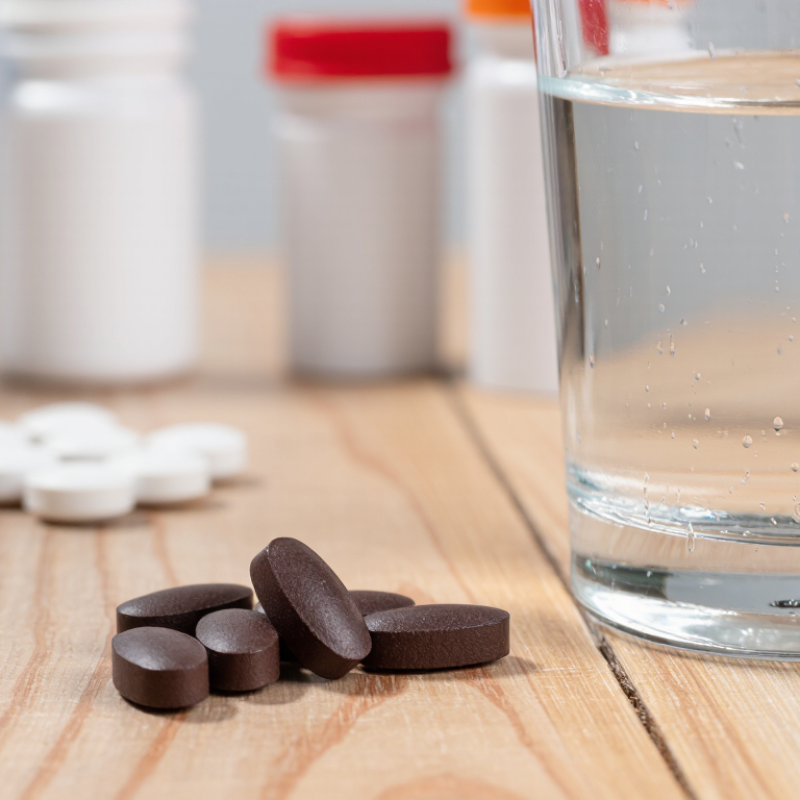
This guide compares pill strength by elemental iron, label clarity, ease of swallowing, and common stomach effects. A dark tablet beside a glass of water may look simple; the decision behind it is not. There is no flawless choice for everyone. Even a careful comparison has a blind spot: individual response varies, and product labels can be confusing. We’ll separate practical differences from marketing claims, while encouraging readers to confirm suspected deficiency with a qualified healthcare professional.
What Ferrous Sulfate Pills Are and How They Work
Ferrous sulfate pills are oral iron supplements, not a special form of blood or a quick energy booster. Once swallowed, they dissolve and release iron that the body can use to make hemoglobin, the protein that carries oxygen in red blood cells. Absorption occurs mainly in the upper small intestine. Think of iron as raw material: without enough, the body has fewer supplies for building healthy red cells. It takes time.
The need varies. The NIH Office of Dietary Supplements lists daily iron recommendations of 8 mg for adult men, 18 mg for most adult women, and 27 mg during pregnancy; these figures include iron from food and supplements. WHO’s 2023 estimates put anemia prevalence at about 30% among women aged 15–49 worldwide, underscoring why iron status matters—but anemia has several possible causes. A tablet is not a diagnosis. A clinician can use blood tests and personal history to decide whether supplementation is appropriate and what dose fits. Iron may cause nausea, constipation, or darker stools, and more is not automatically better. I’d treat the label as a starting point, not a prescription.
What Are the Best Ferrous Sulfate Pills in 2026? - What Ferrous Sulfate Pills Are and How They Work
“Best” depends on the amount of elemental iron needed, tolerability, and a clinician’s advice. The options below describe common product profiles, not brand recommendations. Check the product label because tablet strengths and formulations can vary.
| Pill profile | Typical labeled amount | Potential fit | What to consider |
|---|---|---|---|
| Standard immediate-release tablet | A common tablet contains 325 mg ferrous sulfate, equivalent to about 65 mg elemental iron. | Adults prescribed a conventional iron dose. | The salt weight is not the same as the elemental-iron amount. Follow the prescribed schedule rather than choosing a dose by tablet weight alone. |
| Lower-elemental-iron tablet | Amount varies by product; use the label’s elemental-iron figure. | People whose clinician recommends a lower amount or a gradual start. | Lower amounts may still cause side effects and may not meet every person’s treatment needs. |
| Delayed-release or enteric-coated tablet | Varies; compare the elemental-iron amount on the label. | A formulation some people consider when stomach discomfort is a concern. | Iron is mainly absorbed in the upper small intestine. Delayed release may reduce absorption, so ask a clinician or pharmacist before switching. |
| Single-ingredient ferrous sulfate | Varies by tablet; the label should state elemental iron per dose. | People seeking an iron-only supplement when it is appropriate for them. | Avoid doubling up with other iron-containing supplements unless instructed. Keep iron securely away from children. |
How Ferrous Sulfate Pills Work
| Step | What happens | Why it matters |
|---|---|---|
| 1. The tablet supplies iron | Ferrous sulfate provides iron in the ferrous (Fe²⁺) form. | The body uses iron to make hemoglobin and other essential proteins. |
| 2. Iron is absorbed | Dietary iron is absorbed mainly in the duodenum and upper small intestine; Fe²⁺ is taken up by intestinal cells. | Absorption can be affected by the formulation, food, medicines, and a person’s iron status. |
| 3. Iron supports red blood cell production | Absorbed iron is transported and used by the body, including in bone marrow to make hemoglobin. | When iron deficiency is the cause, replenishing iron can help restore iron stores and support red blood cell production over time. |
Practical Checks Before Choosing
| Check | Useful guidance |
|---|---|
| Elemental iron per dose | Compare the elemental-iron amount, not just the total ferrous sulfate weight. |
| Schedule and absorption | Take it as directed. Calcium, tea, coffee, antacids, and some medicines can interfere with iron absorption; ask a pharmacist about timing. Vitamin C may help absorption, but it is not necessary for everyone. |
| Side effects | Nausea, constipation, abdominal discomfort, and dark stools can occur. Contact a healthcare professional about severe symptoms, suspected bleeding, or difficulty tolerating treatment. |
| Need for iron | Iron deficiency should be assessed by a healthcare professional when possible. Iron supplements are not suitable for everyone and can be harmful in excess. |
This information is educational and does not replace individualized medical advice. Dose and duration depend on the reason for treatment, test results, age, and other health factors.