


China Best Fresh Fruit Export Packaging Solutions?
Choosing the right Fresh Fruit Export Packaging Solutions can protect quality from orchard to overseas retail shelves. In China, experienced exporters often combine local manufacturing knowledge with strict post-harvest handling practices. A strong package must resist compression, moisture, vibration, and temperature changes during transport. It should also support ventilation without causing excessive water loss.
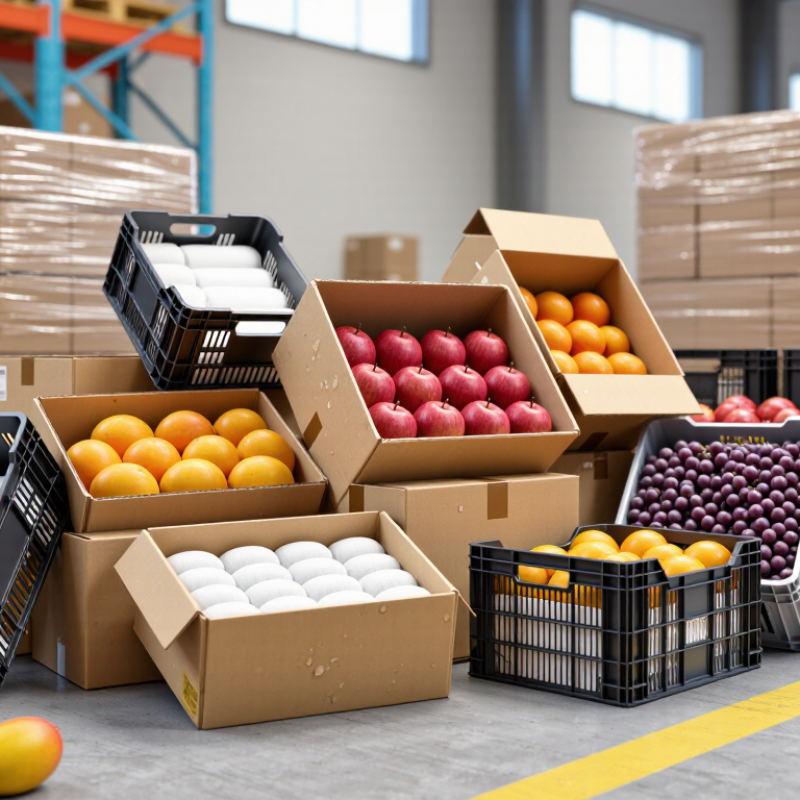
Practical decisions begin with the fruit itself. Mangoes, apples, grapes, and citrus need different airflow, cushioning, and stacking designs. Corrugated cartons may suit apples, while ventilated plastic crates can support repeated handling. Food-grade liners, absorbent pads, and controlled openings can reduce bruising and condensation. Small details matter. A crushed corner can damage an entire layer.
Reliable suppliers should provide material specifications, compression testing, moisture resistance data, and traceable production records. They should also understand cold-chain coordination, pallet patterns, labeling needs, and destination-market requirements. Packaging claims should be supported by trials, not attractive photographs. Pilot shipments can reveal problems that laboratory tests miss.
Real export experience teaches an uncomfortable lesson: no package performs perfectly in every route. A design that works for short sea freight may fail during a humid transshipment. We should question low-cost options when they increase spoilage risk. However, premium packaging is not automatically better. It must match the fruit, journey, climate, and handling process. Careful trials, supplier audits, and feedback from growers, logistics teams, and buyers create more dependable results. This guide examines China’s leading packaging approaches and the practical standards behind them, while recognizing that improvement remains necessary.
Fresh Fruit Export Packaging: Purpose, Functions, and Key Requirements
Fresh fruit export packaging protects quality from packing house to distant market. Its core functions are cushioning, ventilation, temperature support, moisture control, and traceability. FAO’s The State of Food and Agriculture 2019 estimated that about 14% of food is lost between harvest and retail. Fruits and vegetables face higher risks because bruising, heat, and moisture damage develop quickly. Packaging cannot fix poor harvesting or weak cold-chain management.
A reliable export pack uses strong edges, clean food-contact materials, and openings that support airflow. The design should fit the fruit’s size, firmness, respiration rate, and transport route. Excess humidity can encourage decay, while excessive ventilation may cause shriveling. UNEP’s Food Waste Index Report 2024 recorded 1.05 billion tonnes of food waste in 2022. Better packaging may reduce damage, but unnecessary material creates another environmental cost. A stronger box is not always a better box. That point deserves more testing.
Tips: Use trial shipments before full-scale export. Measure bruising, weight loss, pulp temperature, and rejected cartons. Keep records by orchard, packing date, and destination. Choose recyclable materials where performance remains reliable. Do not judge packaging by appearance alone; real loading, vibration, and storage conditions reveal its weaknesses. Industry data guides decisions, but local trials still matter.
Selecting Packaging Materials for Different Fruit Types and Markets
Selecting packaging for fresh fruit starts with the fruit, not the container. FAO reported that about 14% of food is lost between harvest and retail. Fresh fruit often suffers from bruising, moisture, and temperature abuse.
Berries need shallow, ventilated packs with strong moisture control. They collapse quickly.
Citrus needs rigid cartons with airflow and cushioning.
Bananas require breathable liners because trapped heat accelerates ripening.
Market distance changes the material choice. For short domestic routes, recyclable corrugated cartons and molded-pulp trays can provide adequate protection. For long sea journeys, exporters may need stronger cartons, moisture-resistant coatings, and carefully designed ventilation. The World Resources Institute estimates that food loss and waste account for about 8% of global greenhouse-gas emissions. Packaging cannot solve poor refrigeration, but it can reduce avoidable damage when matched with cold-chain handling.
Material reduction also requires caution. A thinner film may lower plastic use, yet it can increase leakage or bruising. That trade-off is often missed. In practical packing trials, small ventilation changes can affect condensation inside the pack. I would test compression strength, humidity, drop resistance, and shelf life before approving a format. UNEP’s Food Waste Index emphasizes the scale of wasted food, while export markets increasingly expect recyclable or recoverable materials. The best solution is therefore fruit-specific, route-specific, and tested under real handling conditions.
Designing Ventilation, Cushioning, and Moisture Control Systems
Fresh fruit export packaging must protect produce during long handling cycles, not merely look attractive on a pallet. Effective design combines ventilation, cushioning, and moisture control. Each element affects the others.
Ventilation begins with aligned openings in the carton and inner tray. Air needs a path. Too few vents can trap field heat and accelerate decay. Oversized openings may weaken stacking strength or expose fruit to pressure. In practical trials, I check airflow around the center cartons, not only the outer layers. A simple temperature logger can reveal warm pockets that visual inspection misses. Vent placement should also match pallet patterns and cooling equipment.
Cushioning must control movement without sealing the fruit tightly. Molded pulp, corrugated dividers, and soft pads can reduce bruising around stems and shoulders. However, cushioning materials may absorb condensation and lose strength. That mistake happens.
Moisture control requires breathable liners, absorbent pads, and drainage space beneath the produce. High humidity helps prevent weight loss, but free water encourages mold. The balance is difficult. Packaging teams should test materials with the actual fruit, harvest condition, and expected transit duration. A box that works for firm fruit may fail after several days. I would also verify food-contact suitability, compression strength, and recyclable content before approving production. Some designs look efficient on paper, yet collapse when stacked after refrigeration.
Managing Cold-Chain Protection from Packing House to Destination
Fresh fruit packaging must protect temperature, airflow, and moisture from the packing house to the destination. A strong carton cannot correct poor pre-cooling.
The FAO’s The State of Food and Agriculture 2019 reported that about 14% of food is lost between harvest and wholesale. For fresh fruit, field heat often accelerates decay before loading. Operators should measure pulp temperature, not only room temperature. Forced-air cooling can remove heat more evenly when fruit is arranged with clear airflow channels. Packaging vents must align across stacked cartons. Blocked vents create warm pockets.
Cold-chain packaging also needs controlled humidity. Excess moisture softens cartons and encourages mold. Low humidity causes weight loss and shriveling. Produce-specific liners, absorbent pads, and breathable films should be selected after testing, not guesswork. Data loggers placed near the carton center can reveal temperature abuse during loading, customs delays, or inland transport. The UNEP Food Waste Index Report 2024 estimated 1.05 billion tonnes of food waste in 2022, showing why small handling failures matter.
I have seen packaging perform well in a cold room but fail during cross-docking. That gap deserves attention. Vibration, compression, and condensation can change the result. A practical trial should compare fruit quality, carton strength, pulp temperature, and arrival appearance after the full route. Perfection is unlikely. Better evidence is achievable.
Fresh Fruit Export Cold-Chain Protection: Typical Storage Temperature Bands
Maintaining the correct pulp-temperature range from the packing house through refrigerated transport and destination storage helps reduce moisture loss, chilling injury, and premature ripening. These are typical commercial storage bands; exact requirements vary by cultivar, maturity, and transit duration.
Meeting Export Standards, Labeling Rules, and Sustainability Goals
China Best Fresh Fruit Export Packaging Solutions?
Fresh fruit packaging must protect quality while meeting export standards, labeling rules, and sustainability goals. That balance begins with the fruit, not the carton. Vented boxes support airflow during cold storage and transport. Strong corners reduce crushing when pallets are stacked. Moisture-resistant materials help, but excessive plastic can weaken sustainability claims. Less can be safer.
Labels should match the destination market and shipment documents. Include the fruit name, variety, country of origin, net weight, lot code, packer details, and storage conditions. Use the required language, measurement units, symbols, and print size for each destination. A readable label matters. Buyers and inspectors often need traceability within minutes. Confirm every detail with the importing authority and current buyer specifications, because requirements can change.
Sustainable design needs practical testing. Choose recyclable materials where local systems can process them. Reduce empty space, unnecessary inserts, and oversized cartons. Recycled content may require separate food-contact verification. Test compression strength, ventilation, moisture exposure, and temperature changes before full production. I have seen attractive packaging fail after condensation weakened the base. That mistake is avoidable, but not always obvious. Keep test records, review damage rates, and adjust the design after real shipments. A lighter package is not automatically a better package.
| Fruit Category | Recommended Export Packaging Solution | Illustrative Commercial Format | Key Performance Requirements | Labeling and Documentation Requirements | Sustainability Measures | Applicable Standards and References |
|---|---|---|---|---|---|---|
| Citrus Fruit | Ventilated corrugated fibreboard carton with a stackable design, moisture-resistant coating, and paper-based internal cushioning where required. | 10 kg carton Typical footprint: approximately 40 × 30 cm Ventilation openings: positioned to support airflow without weakening the carton. | Protection against compression, abrasion, condensation, and temperature fluctuations during palletized transport. | Product name, country of origin, packer or dispatcher information, class or size where applicable, lot identification, net weight, and storage instructions when necessary. | Use recyclable fibreboard, water-based inks, and right-sized cartons. Avoid unnecessary plastic liners and mixed-material components. | Codex CXS 1-1985; Codex CXS 245-2004 for citrus fruits; Regulation (EC) No 1935/2004 for food-contact materials where applicable. |
| Apples and Pears | High-strength corrugated carton or reusable plastic crate with molded or fiber-pulp partitions to reduce bruising and movement. | 12–18 kg carton Common configurations include single-layer trays or multiple-layer cartons with fruit separators. | Compression resistance, adequate ventilation, stable pallet stacking, and cushioning that limits impact damage during handling. | Variety or product name, country of origin, class, size or count where required by the destination market, net weight, lot code, and packer or dispatcher details. | Prefer recycled-content corrugated board, fiber-pulp trays, and reusable crates for closed-loop distribution. Design packaging for easy material separation. | Codex CXS 1-1985; UNECE FFV-50 for apples; UNECE FFV-51 for pears; ISPM 15 applies if solid wood pallets or wood packaging are used. |
| Table Grapes | Vented corrugated carton with food-contact-compatible liner or recyclable punnet system designed to manage condensation and berry compression. | 4.5–9 kg carton Common retail units: 500 g to 1 kg punnets or bags inside a transport carton. | High ventilation, moisture management, secure closure, and sufficient rigidity to prevent crushing of lower layers. | Product name, country of origin, net weight, lot identification, packer or dispatcher information, and date or storage information when required by the importing market. | Replace unnecessary plastic overwrap with recyclable mono-material formats or fibre-based components. Use only the quantity of packaging needed for product protection. | Codex CXS 1-1985; UNECE FFV-19 for table grapes; destination-market food-contact and recycling-label rules. |
| Berries | Rigid vented punnet or tray with a tamper-evident closure, packed in a ventilated secondary carton for cold-chain transport. | 125–500 g retail unit Typical transport case: approximately 1–4 kg, depending on fruit type and market. | Condensation control, airflow through the pack, leak resistance, tamper evidence, and protection from vibration and compression. | Product name, net quantity, country of origin, lot code, responsible food business operator or importer information, and use-by or best-before marking where legally applicable. | Use recyclable mono-material plastic or certified fibre-based packs where performance is adequate. Eliminate unnecessary absorbent pads and oversized lids. | Codex CXS 1-1985; destination-market food-contact legislation; cold-chain and fresh-produce handling requirements. |
| Mangoes and Avocados | Ventilated corrugated carton with molded pulp dividers, fruit sleeves, or protective trays to limit skin scuffing and impact damage. | 4–6 kg carton Retail formats commonly range from 1 to 4 pieces per consumer pack. | Resistance to compression and vibration, sufficient ventilation, and protection from contact damage during ripening and long-distance transport. | Product name, country of origin, packer or dispatcher information, class or size where applicable, net weight or count, lot identification, and storage guidance when needed. | Use lightweight cartons with high recycled fibre content, avoid PVC components, and use paper-based dividers when they provide equivalent protection. | Codex CXS 1-1985; relevant UNECE fresh-fruit standards where adopted by the destination market; Regulation (EC) No 1935/2004 where applicable. |
| Bananas | Ventilated corrugated carton with internal support and a design compatible with controlled-atmosphere or temperature-managed transport. | 13–18 kg carton Carton dimensions vary according to loading pattern, pallet configuration, and destination requirements. | Adequate ventilation, high stacking strength, resistance to humidity, and protection from pressure marks during refrigerated or controlled-temperature transport. | Product name, country of origin, net weight, lot identification, packer or dispatcher information, and any mandatory importer or traceability information. | Reduce carton grammage only after compression testing, increase recycled fibre content where moisture performance remains adequate, and optimize pallet utilization to reduce transport emissions. | Codex CXS 1-1985; Codex CXS 205-1997 for bananas; destination-market packaging, traceability, and food-contact requirements. |
| Stone Fruit | Rigid vented tray, molded-pulp insert, or partitioned corrugated carton designed to prevent fruit-to-fruit impact and stem-end damage. | 2–5 kg carton Retail packs commonly range from 500 g to 2 kg. | Shock absorption, secure fruit positioning, ventilation, and sufficient carton stiffness for multi-layer pallet stacking. | Product name, country of origin, class or size where required, net weight, lot code, packer or dispatcher details, and date marking when required by law. | Substitute expanded polystyrene and unnecessary plastic trays with molded fibre or recyclable mono-material alternatives after validation testing. | Codex CXS 1-1985; destination-market standards for peaches, nectarines, plums, cherries, and other stone fruit. |
| All Fresh Fruit Export Shipments | Unitized pallet system using compatible cartons, corner protection, stretch film or reusable straps, and documented load-stability testing. | Standardized pallet load Pallet dimensions and maximum height should follow the importer, carrier, warehouse, and destination-market specifications. | Stable load formation, adequate airflow, moisture control, traceability from grower or packhouse to shipment, and protection from contamination. | Commercial invoice, packing list, certificate of origin where required, phytosanitary certificate where required, lot or batch code, net quantity, country of origin, and importer information. | Use certified or compliant wood packaging when applicable, optimize pallet cube utilization, minimize empty space, and select packaging materials that are recyclable in the destination country. | Codex CXS 1-1985; IPPC ISPM 15 for regulated solid wood packaging; importing-country customs, plant-health, labeling, and packaging laws. |


