


Where to Buy the Best PP Poultry Manure Belt in China?

Where to buy the best PP poultry manure belt in China depends on more than a low quotation. Buyers should compare material specifications, belt thickness, width tolerance, tensile strength, and resistance to moisture and poultry-house chemicals. A reliable supplier should explain how the belt performs under daily manure loads and routine cleaning. Ask for product data, sample pieces, and clear warranty terms. Details matter. The phrase Pp Poultry Manuar Belt may appear in searches, but confirm the product name and polymer grade before requesting a quote. Small wording differences can create confusion.

China has manufacturers and trading companies, and their roles are not always obvious from a product page. Check whether the seller operates a factory, can provide production and inspection records, and answers questions about installation or replacement. Request recent photographs or a video of the belt running on comparable poultry equipment. Ask about packaging, lead time, spare parts, and how defects are handled. A polished catalog is useful, but it is not proof. I would also compare a sample with the stated dimensions, since published figures may not tell the whole story. For larger orders, consider an independent pre-shipment inspection and keep the agreed specification in writing. The best choice is usually a supplier that answers technical questions directly, documents its claims, and matches the belt to your farm’s conveyor design—not simply the seller with the lowest offer. Even then, selection takes judgment. No single belt suits every barn. This guide outlines practical ways to assess Chinese suppliers and buy with fewer surprises.
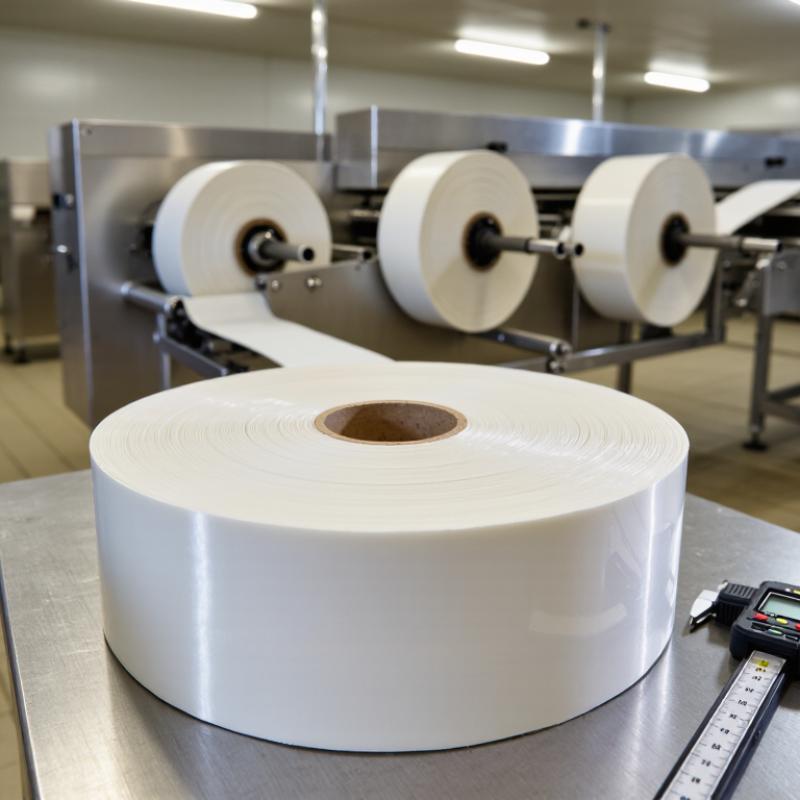
Where to Buy the Best PP Poultry Manure Belt in China?

What Is a PP Poultry Manure Belt and How Is It Used?

Where to Buy the Best PP Poultry Manure Belt in China?

What Is a PP Poultry Manure Belt and How Is It Used?

A PP poultry manure belt is a woven polypropylene strip installed beneath cage rows in poultry houses. It collects droppings and carries them toward a discharge point when the drive system moves. The belt may also help manure dry through airflow, but results depend on house ventilation, belt spacing, and cleaning routines. It is not a substitute for good litter or moisture management. Belt thickness, weave, edge finish, and resistance to stretching can vary between suppliers.

Tips: Measure the belt path before ordering. Ask for material specifications and a sample. Check how the belt tracks under load. Small details matter.

When sourcing in China, compare manufacturers or established equipment suppliers using the same requirements. Request dimensions, roll length, jointing guidance, and information about replacement parts. Ask how the supplier checks consistency between production batches. A low price can be tempting, but a poorly matched belt may slip, wrinkle, or wear unevenly. I would not judge quality by a sample alone; installation support and clear specifications matter too. Some wear is inevitable. Good fit makes maintenance easier.

Which Specifications Match Your Poultry Farm’s Needs?

Where to Buy the Best PP Poultry Manure Belt in China?
Which Specifications Match Your Poultry Farm’s Needs?

When comparing PP poultry manure belts in China, start with your house layout, not a catalogue photo. Measure the usable belt width, roller diameter, belt path, and distance between support rollers. Record the number of tiers and the manure load per tier. These details affect fit and belt tension. Ask suppliers for belt thickness, tensile-strength test results, joint type, and operating-temperature range. Check scraper compatibility, too. A belt that looks right may still slip or wear unevenly. Small mismatch, big trouble.

Farm conditions should guide the material and configuration. Consider manure moisture, ventilation, cleaning frequency, and whether belts run continuously or intermittently. The European Commission’s 2017 BAT conclusions for intensive poultry rearing report ammonia levels of 0.02–0.08 kg per laying-hen place annually for relevant best available techniques. This is an emissions benchmark, not a belt-performance guarantee, but it underlines the value of reliable manure removal and handling. Request technical data and a sample for a fit check. I would verify dimensions twice; farm measurements are not always as neat as drawings suggest. Check the written tolerance before ordering.

Where to Buy the Best PP Poultry Manure Belt in China?

Compare typical polymer melting ranges when reviewing belt material specifications. PP’s higher melting range may be useful in warm environments, but it does not define a finished belt’s safe operating temperature.

Typical polymer melting ranges: PP 160–170°C, HDPE 130–137°C, and LDPE 105–115°C. Actual values vary by grade; ask suppliers for the finished belt’s specifications and operating limits.

Where Can Buyers Find PP Manure Belt Manufacturers in China?

Buyers can find PP poultry manure belt manufacturers through agricultural equipment clusters in Shandong, Henan, Hebei, and Jiangsu. These provinces have substantial poultry and machinery industries, but location alone does not prove manufacturing capability.

China’s National Bureau of Statistics reported poultry meat output of 25.63 million tonnes in 2023, indicating a large domestic poultry sector. This figure provides context, not a measure of manure-belt demand.

Search Chinese-language industrial directories, regional equipment exhibitions, and poultry-farm supply networks. Then verify whether each supplier operates its own production line or outsources fabrication.

Ask for belt samples and specifications, including width, thickness, tensile strength, joint type, and temperature tolerance. A useful test is to run a sample under realistic manure load and check for edge curling, stretching, and residue buildup.

Request recent inspection records and references from farms using similar housing systems. Be cautious: attractive catalogue photos reveal little about long-term wear.

Tips: Share your belt dimensions and installation drawings before requesting a quote. Confirm lead time, packaging, and spare-part availability in writing. Ask for evidence.

How Can You Compare Suppliers, Samples, and Quality Standards?

When comparing PP poultry manure belts in China, look beyond price and catalog photos. OECD-FAO Agricultural Outlook 2024–2033 projects poultry meat will account for 45% of the growth in global meat production over the decade. That expansion makes dependable manure handling important for farms planning equipment purchases. A low quote may still mean costly downtime.

Ask each supplier for belt material details, thickness and width tolerances, splice construction, and written test results. Then request a sample cut from production stock, not a specially prepared display piece. Check its edges, weave consistency, flexibility, and surface finish. Looks matter. A clean-looking sample can still conceal weak joins, so test a belt section under repeated bending and with the farm’s actual conveyor rollers. Record any cracking, stretching, or fraying.

Compare samples using the same checks and operating conditions. Ask suppliers to state expected service conditions and replacement guidance in writing. ISO 9001 certification can indicate a quality-management system, but it is not proof that a particular belt meets your performance needs. Request traceable batch records and applicable material test reports. Test it. A practical trial may reveal issues that a polished specification sheet misses; even careful comparisons cannot fully reproduce months of dust, moisture, and daily use.

Where to Buy the Best PP Poultry Manure Belt in China? — How Can You Compare Suppliers, Samples, and Quality Standards?

Comparison Dimension What to Request from Each Supplier How to Check a Sample or Document Practical Comparison Rule
Manufacturing capability Confirm whether the supplier manufactures the belt, converts material, or acts as a trading company. Request a description of its production and inspection process. Check that the stated production steps and quality records relate to the product being quoted. Ask who handles complaints and corrective actions. Compare suppliers on traceability and documented responsibility, not on a factory claim alone.
Material identification Request the stated polymer type, any recycled-material content, and written confirmation of whether additives or coatings are used. Compare the declaration with the quotation and sample documentation. If composition is critical, arrange independent material testing. Record material claims in the purchase specification; appearance alone cannot confirm polymer composition.
Thickness and width Request nominal thickness, width, permitted tolerances, and the measurement method for each dimension. Measure several points across and along the sample with suitable calibrated tools. Compare results with the agreed specification. Use the same measurement method and tolerance when comparing quotations. Do not assume there is one universal belt thickness or width.
Tensile performance Ask for tensile-strength and elongation results, including the test method, specimen direction, conditioning, and test laboratory. For plastic materials, ISO 527 may be relevant where the sample form and test setup are applicable. Agree on the method before comparing results. Compare like-for-like test results. A number without a method, direction, and unit is not a reliable basis for selection.
Joint or seam quality Ask how belt joints are made and what joint-strength or workmanship checks are performed. Inspect the sample for uneven seams, loose edges, gaps, and damage. Request a joint test or trial run using the intended equipment. Confirm the joint design is compatible with the manure-removal system; evaluate the joint separately from the belt body.
Surface and edge condition Request details of surface finish, edge treatment, and any permitted visible defects. Inspect both sides and the full sample length for cuts, holes, delamination, fraying, irregular edges, or inconsistent finish. Set defect limits in writing and check samples under consistent lighting and handling conditions.
Dimensional consistency Request batch inspection records and the supplier’s sampling plan for width, thickness, and length. Compare measurements from multiple sample locations or production rolls, rather than relying on one reading. Prefer documented batch checks with stated tolerances over a single sample measurement.
Operating compatibility Provide the belt width, conveyor layout, roller and scraper details, operating conditions, and required roll length; ask the supplier to confirm compatibility in writing. Check fit, tracking, tensioning, and scraper contact during a controlled installation or trial, following equipment instructions. Evaluate the belt as part of the actual manure-removal system; a material sample alone cannot establish machine compatibility.
Quotation comparability Request price basis, order quantity, roll dimensions, packaging, lead time, payment terms, and shipping terms in the same format. Check that all quotations cover the same specifications, quantities, delivery scope, and inspection requirements. Compare total delivered cost and stated scope, not unit price alone.
Sample and order traceability Ask for a sample reference, production-batch identification, inspection documents, and a process for matching the approved sample to mass production. Keep a labeled, dated reference sample and compare incoming goods against the approved specification and records. Make the approved sample and written specification part of the order documentation.
Note: Product requirements can vary with belt design and equipment. Agree on measurable limits, test methods, tolerances, inspection records, and acceptance criteria in writing before placing an order. No single thickness, tensile value, or universal product standard applies to every PP poultry manure belt.

What Should You Verify Before Placing an Order?

Where to Buy the Best PP Poultry Manure Belt in China?
What Should You Verify Before Placing an Order?

Before choosing a Chinese supplier, request the PP grade, belt thickness, width tolerance, tensile-strength results, and seam details in writing. Ask whether test results apply to the production batch, not just a showroom sample. The USDA Foreign Agricultural Service’s Livestock and Poultry: World Markets and Trade report (April 2024) estimated global broiler production at 103.3 million metric tons for 2024. That scale makes reliable manure handling important, but the report does not verify belt quality. Check the actual equipment fit.

Tips: Request a cut sample and a short video of the belt running under tension. Inspect its edges, splice, and tracking. Ask for written warranty terms, replacement-part lead times, and packaging details for export. Keep the specifications attached to your purchase order.

A clean sample proves little. Have an independent inspector compare finished goods with the agreed dimensions and test records before shipment. Confirm the belt suits your manure-removal system, roller spacing, and operating conditions; a technically sound belt can still perform poorly if it slips or wanders. I would also ask for references from farms using similar equipment, while treating them as supporting evidence, not a guarantee. Small inconsistencies in a supplier’s answers deserve a follow-up before payment.

Packaging machine ROI calculator

Need help figuring out if packaging automation is right for your business?


First, start with the numbers. Download our free packing machine ROI calculator to learn how long it will take for an investment in automation to pay for itself (and much more).


Free packaging automation ROI calculator