


Top Quick Connect Couplers for Global Buyers?

Choosing the top Quick Connect Couplers for global buyers requires more than comparing prices or polished product photos. These components control fluid, air, or gas connections, so small design differences can affect safety, downtime, and maintenance costs. A reliable evaluation considers port size, flow capacity, working pressure, temperature range, seal material, corrosion resistance, and connection type.

Real purchasing experience shows that compatibility problems often appear after installation. A coupler may fit the thread but restrict flow. Another may handle pressure but fail in cold conditions. Buyers should request dimensional drawings, pressure test records, material certificates, and clear interchangeability details. Supplier experience also matters. Consistent batch control, traceable production, and responsive technical support can reduce costly surprises across borders.

Standards still need attention. ISO references, regional requirements, and industry-specific specifications may guide selection, but certification alone does not prove practical suitability. Ask how each model was tested. Check the actual media, cycle count, temperature, and pressure used. No ranking is perfect. Product data can be incomplete, and even experienced teams sometimes overlook seal aging or operator handling. That is worth admitting.

This guide compares leading coupler options through a buyer-focused lens. It examines performance, materials, connection security, supplier reliability, documentation, and total ownership value. The goal is not to promote one universal solution. It is to help distributors, engineers, and procurement teams make a defensible choice for their equipment, market, and operating conditions. A careful shortlist begins with evidence, not assumptions.
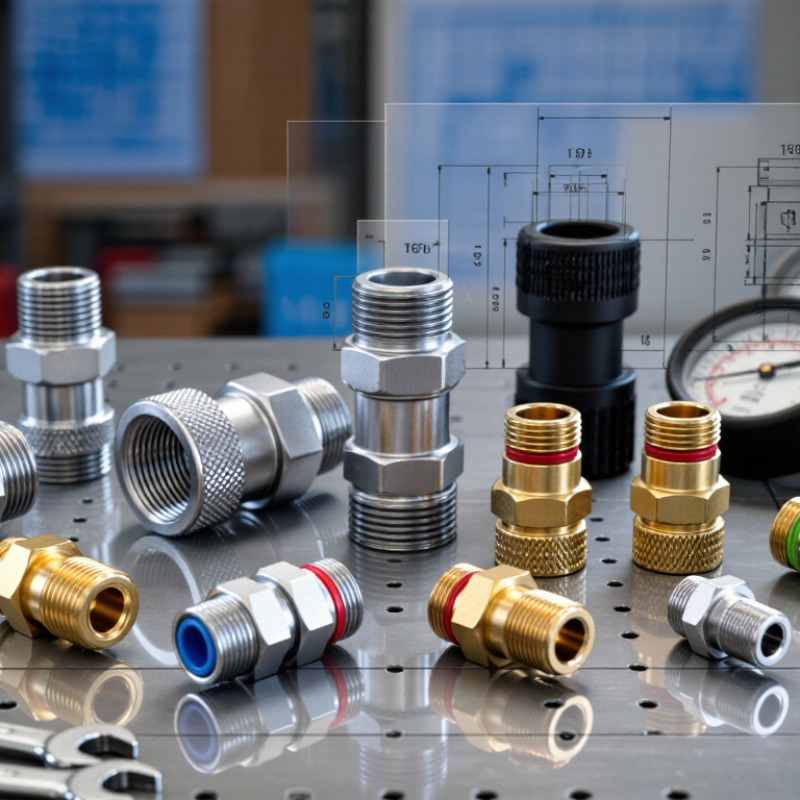
Top Quick Connect Couplers for Global Buyers?

Quick Connect Couplers: Definition, Purpose, and Operating Principles

Top Quick Connect Couplers for Global Buyers?

Quick Connect Couplers: Definition, Purpose, and Operating Principles

A quick connect coupler joins fluid lines without tools or prolonged shutdowns. It uses a plug, socket, locking sleeve, and internal valve. When connected, the valves open and allow fluid to pass. When separated, they close and limit leakage. Simple in theory.

Couplers support hydraulic machinery, pneumatic tools, agricultural equipment, and mobile service systems. Selection depends on pressure, flow rate, fluid type, temperature, thread standard, and connection frequency. ISO 7241 defines general hydraulic quick-coupling dimensions and performance requirements. ISO 16028 covers flat-face couplings, which reduce air entry and surface contamination. These details matter during international sourcing.

Market data also shows growing demand. MarketsandMarkets’ 2024 analysis forecasts the quick couplings market to expand at roughly 5% annually through 2029. Grand View Research’s 2024 hydraulic equipment report projects about 4.8% annual growth from 2024 to 2030. Growth does not make every coupler suitable. A higher pressure rating may increase size, cost, and connection force. A smaller coupling may restrict flow and create heat. In field inspections, mismatched seals remain a common failure point. That is easy to overlook. Buyers should request pressure-test records, material certificates, dimensional drawings, and cycle-test results. Confirm the standard, not only the thread label. A coupler can fit physically yet fail operationally. The safest choice balances verified data with the actual working environment.

Quick Connect Couplers for Global Buyers

Quick connect couplers allow hoses, pipes, and equipment to be connected or disconnected without tools. The chart presents representative nominal bore sizes commonly used in standardized hydraulic quick-coupling systems. Larger bores generally support higher flow capacity, while the actual working pressure, flow rate, seal material, and connection profile must be checked against the application and applicable standard.

During operation, the plug and socket align, the locking mechanism secures the connection, and internal valves open to permit fluid flow. Disconnecting reverses this process and normally closes the valves to reduce leakage and contamination.

Key Coupler Types for Hydraulic, Pneumatic, Fluid, and Gas Systems

Quick connect couplers support fast, controlled connections across demanding systems. The right type depends on pressure, media, temperature, and connection frequency.

Hydraulic systems often use flat-face, poppet, or screw-to-connect couplers. Flat-face designs reduce fluid loss during connection and limit dirt entry. Poppet couplers suit many mobile machines and general pressure applications. Screw-to-connect couplers handle vibration and higher pressure more securely. Check rated pressure under real operating conditions, not only catalog figures. A warm oil line may behave differently.

Pneumatic systems commonly use plug-and-socket couplers with automatic shutoff. Safety couplers can release trapped air before separation. This detail matters near hand tools and compact production equipment. Fluid systems need greater attention to seal materials and internal cleanliness. Cam-and-groove couplers work well for transfer hoses, while dry-break couplers reduce spills. Sanitary designs may be necessary for clean processing lines. Inspect the gasket after repeated washing. Small damage becomes a leak quickly.

Gas systems require couplers with reliable shutoff, secure locking, and verified seal compatibility. Thread type, working pressure, and gas composition must match the entire assembly. Never judge suitability by size alone. In practical inspections, mismatched seals and adapters cause more trouble than the coupler body. I still see buyers overlook temperature changes during transport and outdoor use. That choice can create stiffness, leakage, or difficult disconnection. Ask for pressure testing records, material certificates, and clear maintenance intervals before placing a global order.

How to Compare Coupler Materials, Pressure Ratings, and Connection Standards

Top Quick Connect Couplers for Global Buyers?

Material selection should match the fluid, temperature, and working environment. Stainless steel suits corrosive washdown areas and many chemical applications. Brass works well in general pneumatic and hydraulic service. Hardened steel handles demanding pressure cycles, but it needs effective corrosion protection. Thermoplastic couplers reduce weight in selected low-pressure systems. Do not judge material by appearance alone.

Pressure ratings require careful reading. A coupler may show a maximum static pressure, while your equipment creates repeated dynamic loads. Temperature can reduce that rating. Fluid viscosity, vibration, and trapped pressure also matter. In practical inspections, leaks often begin at damaged seals or mismatched fittings, not the coupler body. Check flow requirements too. A small internal passage can create unwanted pressure loss.

Connection standards create another risk for global buyers. NPT, BSPP, BSPT, metric, and SAE threads are not automatically compatible. ISO 7241 and ISO 16028 describe common hydraulic coupling designs, but the same-looking parts may still differ internally. Confirm thread form, size, sealing method, and interchange requirements from technical drawings. A supplier’s pressure table should identify test conditions and temperature limits. Certification can improve confidence, yet paperwork cannot replace application testing. I have seen careful specifications fail because one thread measurement was assumed. That detail deserves a second check.

Top Quick Connect Couplers for Global Buyers? – How to Compare Coupler Materials, Pressure Ratings, and Connection Standards

A practical comparison of commonly specified quick-connect coupler types for hydraulic, pneumatic, and fluid-transfer applications.

Coupler Type Typical Coupler Materials Common Fluid Applications Typical Working Pressure Range Typical Temperature Range Connection Standards Commonly Specified Connection Mechanism Main Advantages Important Buying Considerations
General-purpose hydraulic poppet coupler Carbon steel with zinc plating; stainless steel options; nitrile, FKM, or EPDM seals Hydraulic oil, mineral-based fluids, mobile equipment circuits Approximately 200–350 bar (2,900–5,075 psi), depending on size and design Approximately −20°C to +100°C with standard seals ISO 7241-A or ISO 7241-B profiles; thread types such as BSPP, BSPT, NPT, and metric Ball-lock sleeve with poppet valves Balanced cost and durability Confirm interchangeability by exact profile, nominal size, thread form, seal material, and pressure rating.
High-pressure screw-to-connect coupler Hardened carbon steel or stainless steel; high-strength seals such as FKM or polyurethane Construction machinery, hydraulic tools, heavy-duty power units Approximately 350–700 bar (5,075–10,150 psi); some specialized designs are higher Approximately −25°C to +120°C, subject to seal selection Manufacturer-specific screw-coupling profiles; threaded ports commonly use NPT, BSPP, or metric threads Threaded sleeve or threaded halves that lock mechanically High pressure capability and strong resistance to accidental uncoupling Coupling and uncoupling normally require the line to be depressurized; check residual-pressure capability before ordering.
Flat-face hydraulic coupler Carbon steel, stainless steel, or zinc-nickel-plated steel; nitrile, FKM, or EPDM seals Excavators, loaders, agricultural equipment, hydraulic attachments Approximately 250–400 bar (3,625–5,800 psi), depending on nominal size Approximately −25°C to +100°C with standard elastomers ISO 16028 flat-face profile; port threads may be BSPP, NPT, or metric Flat-face valve with sleeve and ball-lock or locking-ball mechanism Low fluid spillage, reduced air inclusion, and easier cleaning Flat-face couplers from different profiles should not be assumed interchangeable without dimensional verification.
Agricultural tractor and implement coupler Plated carbon steel; stainless steel for corrosive environments; nitrile or FKM seals Tractor hydraulics, trailers, seeders, harvesters, and implements Approximately 180–300 bar (2,610–4,350 psi) Approximately −20°C to +100°C ISO 7241-A or ISO 7241-B; ISO 5675 is also widely referenced for agricultural hydraulic couplings Ball-lock or sleeve-lock poppet design Broad availability and compatibility with agricultural equipment Verify whether the equipment requires single-acting, double-acting, breakaway, or sleeve-lock functionality.
Dry-break fluid-transfer coupler Stainless steel, anodized aluminum, brass, or engineered thermoplastics; EPDM, FKM, or PTFE sealing components Coolants, chemicals, fuels, food-processing fluids, and other low-spillage transfer lines Approximately 10–40 bar (145–580 psi), depending on material, size, and fluid Approximately −40°C to +150°C, depending on seals and body material ISO 7241 is not automatically applicable; use the specified dry-break profile and port standard Valve-to-valve dry-break design with sleeve or threaded locking Very low leakage and limited fluid loss during disconnection Check chemical compatibility, vapor pressure, electrical conductivity, cleanliness requirements, and allowable pressure drop.
Pneumatic industrial plug coupler Nickel-plated brass, steel, stainless steel, or acetal/polymer components; NBR or FKM seals Compressed air, nitrogen, workshop tools, automation systems Approximately 8–16 bar (116–232 psi) Approximately −20°C to +80°C with common seal materials ISO 4414 safety principles; ISO 6150-B, ISO 6150-C, and regional industrial plug profiles are commonly encountered Ball-lock sleeve with shut-off valve or open-flow plug Fast tool changes and wide availability of port adapters Plug profile, nominal bore, air-flow requirement, and safety-release function must match the existing system.
Pneumatic safety coupler Nickel-plated brass, steel, stainless steel, and engineering polymers; NBR or FKM seals Compressed-air networks where hose-whip and trapped-pressure risks must be controlled Approximately 8–16 bar (116–232 psi) Approximately −20°C to +80°C ISO 4414 safety requirements; coupler profile may follow ISO 6150 or a regional safety profile Two-stage sleeve: exhausts downstream pressure before plug release Improved operator safety and reduced hose-whip risk Confirm the exhaust sequence, residual-pressure limit, airflow capacity, and compatibility with the plug profile.
Thermoplastic low-pressure coupler Acetal, nylon, polypropylene, or reinforced engineering polymer; EPDM, NBR, or FKM seals Water, coolant, irrigation, laboratory lines, and light-duty chemical service Approximately 5–25 bar (73–363 psi), strongly dependent on temperature and polymer type Approximately −20°C to +100°C, depending on material and fluid Threaded or hose-barb connections; BSP, NPT, metric, and push-fit configurations are common Snap-lock, push-to-connect, or sleeve-lock mechanism Light weight, corrosion resistance, and lower system cost Pressure ratings may decrease at elevated temperature; verify chemical compatibility and UV exposure limits.
Stainless-steel corrosion-resistant coupler 304 or 316 stainless steel; FKM, EPDM, PTFE, or other application-specific seals Marine systems, food and beverage, chemical processing, washdown areas Approximately 100–300 bar (1,450–4,350 psi) for hydraulic designs; lower for sanitary or chemical-transfer designs Approximately −40°C to +200°C, depending on seal and coupler construction ISO 7241, ISO 16028, or application-specific sanitary and chemical-transfer specifications Ball-lock, sleeve-lock, or threaded locking Strong corrosion resistance and broad fluid compatibility 316 stainless steel is generally preferred over 304 for chloride-rich environments; confirm surface finish and crevice-corrosion risk.
High-flow agricultural or industrial coupler Plated carbon steel or stainless steel; nitrile, FKM, or EPDM seals Large hydraulic lines, tractors, loaders, cooling systems, and high-volume fluid transfer Approximately 150–300 bar (2,175–4,350 psi), depending on bore size and valve design Approximately −20°C to +100°C ISO 7241, ISO 5675, ISO 16028, or a specified regional profile Large-bore sleeve-lock or flat-face mechanism Higher flow capacity with lower pressure loss than small-bore couplers Compare rated flow, pressure drop, hydraulic power loss, external dimensions, and hose-bend clearance.

Buyer note: Pressure and temperature values shown are typical selection ranges, not universal ratings. The final rating depends on nominal size, valve design, body material, seal compound, fluid type, duty cycle, temperature, and the applicable manufacturer test standard. Never mate couplers solely by thread size; verify the complete coupling profile and dimensional standard.

Top Selection Criteria for Global Buyers and International Applications

Top Quick Connect Couplers for Global Buyers?

Selecting quick connect couplers for international applications requires more than matching thread size. Pressure, flow rate, temperature, working medium, and connection frequency must be checked together. MarketsandMarkets projects the global fluid power equipment market to grow steadily through 2028, increasing demand for interchangeable components. Yet, a coupler that performs well in a controlled factory may fail in dusty construction environments. Field experience matters.

Start with the application data sheet. Confirm maximum and continuous pressure, pressure drop, burst rating, and expected flow. ISO 7241 and ISO 16028 provide useful reference points for hydraulic coupler dimensions and performance.

For pneumatic systems, ISO 4414 supports safety-focused design decisions. Thread standards also deserve attention. NPT, BSP, and metric threads are not automatically compatible. A small mismatch can cause leakage.

Material selection should reflect the medium and climate. Stainless steel may suit corrosive areas, while hardened steel can handle repeated mechanical impact. Seal materials must tolerate oil, water, chemicals, and temperature changes. According to Grand View Research, industrial equipment demand is expanding alongside automation and maintenance upgrades. That makes documentation important. Request pressure-test records, material certificates, dimensional drawings, and traceability details. Check spare-part availability across regions. Honestly, delivery speed is often overlooked. It can matter more than a slightly lower purchase price. I would also test samples under real temperature and load conditions, because catalog ratings rarely show every field problem.

Installation, Maintenance, Safety, and Sourcing Considerations

Top Quick Connect Couplers for Global Buyers

Installation begins with a clean, depressurized line and matching connection profiles. Remove dust, inspect the O-ring, and push the coupler until it locks firmly. Then perform a gentle tug test. A small leak often appears after the first pressure cycle, not during assembly. Route hoses away from sharp edges, heat sources, and moving machinery. Keep protective caps nearby. They are inexpensive, but often ignored.

Maintenance should follow actual working conditions, not only a calendar. Check seals for flattening, cuts, or chemical swelling. Clean metal surfaces with an approved method, avoiding abrasive tools that damage sealing areas. Record connection failures, pressure changes, and replacement dates. This evidence helps identify recurring problems. My field experience suggests that many “coupler failures” begin with contaminated fluid or side loading. Still, no inspection plan is perfect. Human handling remains a weak point.

Global sourcing requires more than comparing unit prices. Confirm working pressure, temperature range, flow capacity, connection size, thread type, and body material. Request dimensional drawings, test reports, material details, and traceable batch information. Check whether documentation matches the shipment. Buy samples before committing to volume. Test them with the intended hose, fluid, pressure, and operating rhythm. Also review spare seal availability, packaging quality, lead time, and communication during complaints. A low-cost coupler can become expensive when one missing seal stops production. Regional safety requirements may differ, so buyers should verify applicable technical rules before installation.

Packaging machine ROI calculator

Need help figuring out if packaging automation is right for your business?


First, start with the numbers. Download our free packing machine ROI calculator to learn how long it will take for an investment in automation to pay for itself (and much more).


Free packaging automation ROI calculator