What Are the Best Truck Engine Types for Buyers in 2026?
Choosing the right Truck Engine in 2026 means matching the powertrain to the work, not chasing the newest badge. A long-haul tractor pulling heavy loads has different needs from a delivery truck making frequent city stops. Route length, payload, terrain, idle time, fuel access, and workshop support all affect the decision. Small details matter. A cold start on a winter morning can reveal more than a brochure does.
NACFE Executive Director Mike Roeth is known for emphasizing that technology choices should fit a vehicle’s duty cycle. Put simply, a practical paraphrase of that guidance is: “Match the technology to the work, not the headline.” Buyers can compare diesel engines for range and established service networks, gasoline options for some lighter-duty applications, and natural-gas engines where dependable fueling is available. Battery-electric trucks may suit predictable regional or urban routes, but charging time and payload effects deserve close review. No option wins everywhere.
A sound comparison should include purchase price, fuel or energy costs, maintenance, uptime, and expected resale value. Ask dealers for examples from trucks doing similar work, then check the assumptions behind their figures. Test-drive when possible. Real-world results vary. Buyers should also confirm that the selected configuration meets the needs of their operating region and business. One uncertainty remains: future fuel prices and infrastructure can change the economics. The best choice may be less obvious than it first appears.
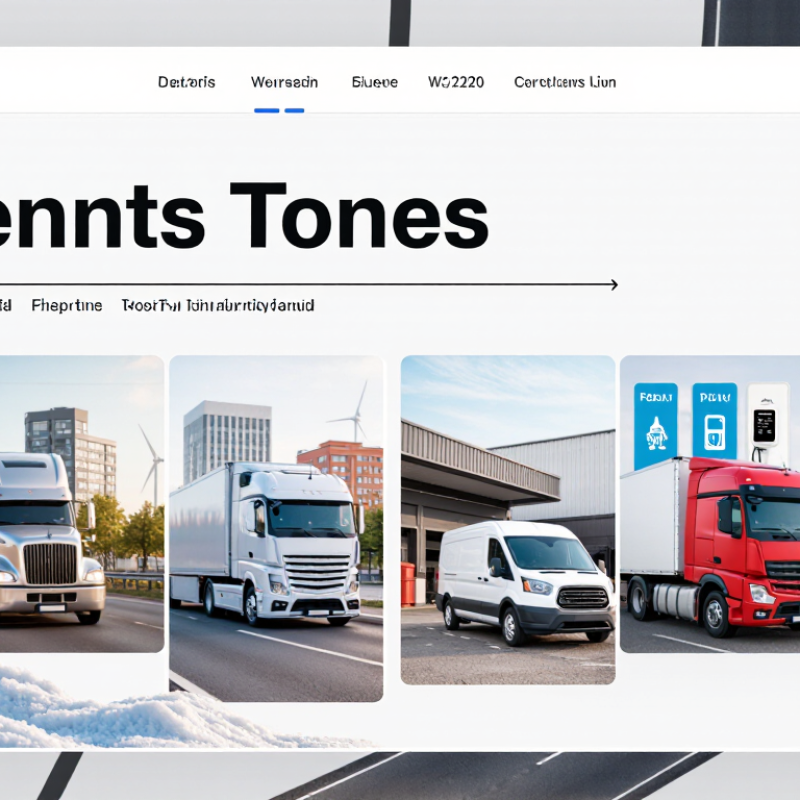
Define Truck Engine Types by Fuel, Duty Cycle, and Typical Application
Truck engine types are best compared by fuel, duty cycle, and application—not horsepower alone. Diesel engines suit heavy loads, long highway runs, and equipment that works for many hours. Gasoline engines often fit lighter trucks, shorter routes, and lower annual mileage. Natural-gas engines may serve predictable fleet routes where fueling is available. Battery-electric drivetrains can work well on stop-and-go urban routes with planned charging. Fit matters.
Duty cycle describes how a truck actually works: payload, daily distance, idle time, terrain, and stop frequency. A regional delivery truck may face repeated braking and loading, while a vocational truck may crawl under heavy loads. These patterns affect fuel use, maintenance needs, and operating costs. A specification sheet cannot reveal every route condition, so compare real operating data where possible. No category is perfect.
Tips: Match the engine to the heaviest regular task, not an occasional peak. Check payload, route length, cold-weather needs, and access to fuel or charging. Ask a qualified technician to review service requirements and operating records. Small details matter, though buyers sometimes overlook them.
| Powertrain type | Energy source | Typical duty cycle | Common truck applications | Potential advantages | Important trade-offs | Often a good fit when… |
|---|---|---|---|---|---|---|
| Diesel internal-combustion engine | Diesel fuel | Medium- to heavy-duty; frequent long-distance operation, high payloads, and sustained work | Regional and long-haul tractors, heavy vocational trucks, construction and agricultural vehicles | High torque, strong range, and a well-established refueling and service network in many regions | Fuel costs and emissions requirements matter; after-treatment systems require appropriate maintenance and operating conditions | The truck regularly travels long distances, carries heavy loads, or works where charging access is limited |
| Gasoline internal-combustion engine | Gasoline | Light- to medium-duty; intermittent or mixed local use | Pickup trucks, light-duty work trucks, and some local delivery or service vehicles | Widely available fuel; can suit lower annual mileage and lighter-duty work | Typically less suited than heavy-duty diesel powertrains to sustained high-load, long-haul operation | The truck is light-duty, locally operated, and the buyer values straightforward access to fuel and service |
| Natural-gas internal-combustion engine | Compressed natural gas (CNG) or liquefied natural gas (LNG) | Predictable routes with planned refueling; commonly regional or return-to-base operation | Municipal fleets, refuse collection, transit-support trucks, and some regional heavy-duty fleets | Can be practical for fleets with dependable access to the required fuel and dedicated depot infrastructure | Fueling stations may be limited; onboard storage, vehicle availability, and total cost depend on the route and region | A fleet can refuel at a depot or along established routes and has assessed local fuel supply and costs |
| Battery-electric powertrain | Electricity stored in rechargeable batteries | Predictable routes, frequent stops, and return-to-depot operation; suitability depends on range, payload, and charging time | Urban delivery, refuse collection, port operations, and other local or regional fleet work | No tailpipe emissions; regenerative braking can recover energy, and electric drivetrains can reduce routine powertrain servicing | Purchase cost, usable range, charging time, grid capacity, charging access, and payload effects need route-specific assessment | Daily distance and charging windows are predictable, and suitable depot or public charging is available |
| Hydrogen fuel-cell electric powertrain | Hydrogen converted to electricity by a fuel cell, with an electric traction motor | Potentially suited to intensive use where quick refueling and longer operating hours are valuable, subject to infrastructure | Selected heavy-duty, regional, or high-utilization fleet applications where hydrogen fueling is available | Electric drive with onboard energy replenished by hydrogen; refueling can be quicker than recharging a large battery, depending on the station | Vehicle and hydrogen availability, station coverage, fuel cost, and hydrogen production pathway vary substantially by region | A route has dependable hydrogen supply and the fleet has confirmed vehicle support and operating economics |
| Hybrid electric powertrain | Liquid fuel plus an electric motor and battery; some designs can plug in | Stop-and-go or mixed duty cycles, depending on whether the system is conventional or plug-in | Urban and regional delivery, service fleets, and selected vocational applications | Can use regenerative braking and electric assistance; a plug-in design may cover some work on stored electricity | Benefits depend on route, vehicle design, battery size, and charging habits; the vehicle still uses liquid fuel | The route includes frequent braking and acceleration, or a plug-in model can be charged regularly |
Buyer note: “Best” depends on route length, payload, annual mileage, duty cycle, fuel or charging access, local regulations, service availability, and total cost of ownership. Confirm specifications and infrastructure for the exact truck and operating region before purchasing.