What Is the Best Vegan Gelatine Powder in 2026?
Choosing the best Vegan Gelatine Powder in 2026 is less about finding a perfect one-to-one substitute and more about matching the powder to your recipe. A panna cotta needs a delicate wobble. A fruit tart may need a firmer, cleaner set. Plant-based gelling ingredients can behave differently, so the label alone cannot promise the same result.
Food scientist Harold McGee’s writing on food structure offers a useful perspective: gelatin sets through protein behavior, while vegan alternatives rely on different ingredients and mechanisms. This is a paraphrase of his food-science work, not a direct quotation. That distinction matters. A powder based on agar, for example, may set firmly and respond differently to heat than a blend containing other plant-derived gums.
Small details count. Check the serving guidance, ingredient list, and whether the powder needs boiling or simply whisking. Then test a spoonful before setting a whole tray. It can save dessert.
This guide compares practical factors, including texture, ease of use, recipe compatibility, and value. It also considers how clearly brands explain their directions and ingredients. A product may perform well in one kitchen and disappoint in another; water ratios, acidity, and cooling time can all shift the result. No single powder suits every dish. The aim is to help you choose with care, test realistic expectations, and find a Vegan Gelatine Powder that works for the way you actually cook.
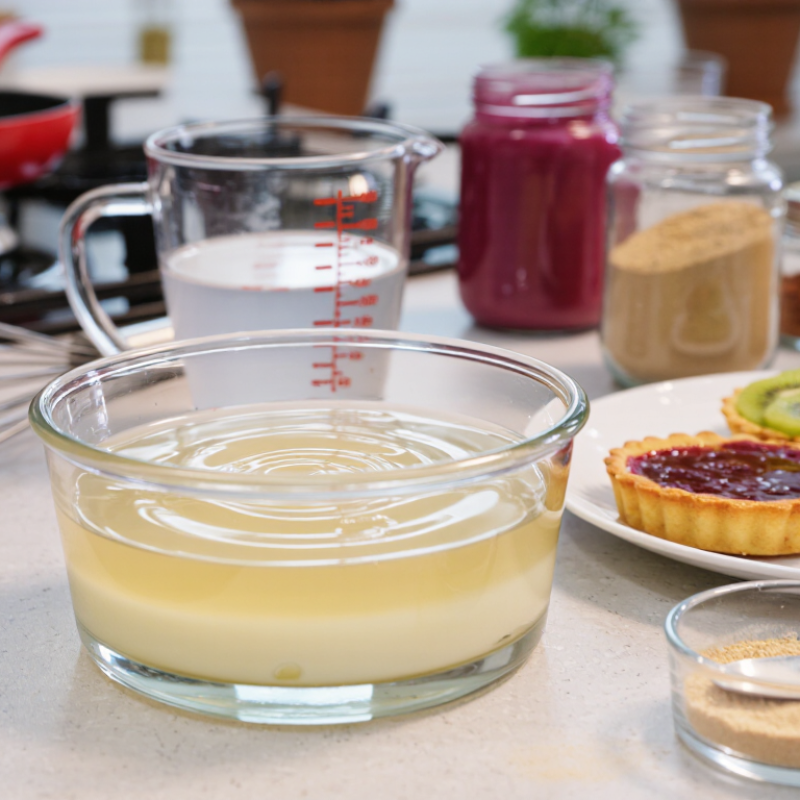
What Vegan Gelatine Powder Is and How It Is Made
Vegan gelatine powder is a plant- or algae-based gelling ingredient, not animal gelatin. The name can be confusing. Agar and carrageenan typically come from red seaweeds, while pectin is obtained mainly from fruit. Agar is made by washing seaweed, extracting it in hot water, filtering the liquid, then drying and milling it into powder. Different sources and processing conditions affect how firmly it sets.
The FAO’s 2024 State of World Fisheries and Aquaculture report records 37.8 million tonnes of algae production in 2022, almost all from aquaculture. That figure provides useful context for seaweed ingredients, but it does not measure vegan gelling powder production specifically. Tiny distinction. Powders also behave differently: agar generally sets firmly as it cools, while pectin often needs sugar and acid. So, a direct one-to-one swap can disappoint.
Tips: Check the ingredient and recipe directions before buying. For agar, whisk the powder into liquid and bring it to a boil; simply stirring it into a cool mixture may leave gritty specks. Try a small batch first. Even careful measurements can need adjusting, since acidity, sugar, and the powder’s strength change the texture.
How Plant-Based Gelling Agents Set Foods
Plant-based gelling agents set foods in different ways, so “best” depends on the texture you want. Agar firms up as it cools and can make clean-cut fruit jellies. It usually needs heating to dissolve fully. Pectin is common in jams, where fruit acidity and sugar can affect the set. Carrageenan can create softer, creamier textures in some dairy-free desserts. Small changes matter.
Agar often sets more firmly than gelatin, and its texture may feel brittle if you use too much. Pectin can be less predictable when fruit ripeness varies. Even the size of a spoonful can shift the result. For a reliable test, weigh the powder, follow its heating instructions, and chill a small sample before preparing a full batch. This takes extra time. It can save ingredients.
Tips: Match the gelling agent to the recipe, not just the label. For a firm jelly, test agar in a small portion first. For jam, check whether your pectin type requires added sugar or acidity. Keep notes on amounts, cooking time, and cooling conditions; home kitchens rarely behave exactly alike.
Which Criteria Matter When Comparing Powders in 2026
What Is the Best Vegan Gelatine Powder in 2026?
Which Criteria Matter When Comparing Powders in 2026
A useful comparison starts with the result you need: a soft fruit gel, a sliceable dessert, or a clear glaze. Agar, carrageenan, and pectin behave differently, so “one-for-one” replacement claims deserve a close look. Check the stated dosage, hydration steps, setting temperature, and whether the recipe’s acidity or sugar level affects performance. Small details matter.
Supply context matters, too. The FAO’s The State of World Fisheries and Aquaculture 2024 reports 37.8 million tonnes of algae production in 2022, with 97 percent coming from aquaculture. That figure does not prove any powder’s quality, but it helps explain why algae-derived gelling ingredients are widely available. Compare ingredient lists for carriers and added sugars, and look for clear sourcing and allergen-handling information. A test can still fail.
For a fair kitchen comparison, weigh each powder rather than using a spoon, then test the same recipe in small batches. Note whether it dissolves fully, sets evenly, and keeps its texture after chilling. Manufacturers’ directions are useful, but they may not match your pan, water, or fruit. Even careful comparisons have a blind spot: home water hardness and ingredient ripeness can change the result.
What Is the Best Vegan Gelatine Powder in 2026?
One useful comparison criterion: heat stability. This chart shows typical gel-melting temperature ranges for agar, a plant-based gelling agent, and gelatin as a non-vegan reference.
Agar generally holds its gel at higher temperatures, which can suit warm-served foods. There is no universal best vegan powder: also compare the texture you want, setting conditions, ingredient compatibility, and the package’s recommended dosage. Temperatures are approximate and vary with formulation and testing conditions.
How Agar, Pectin, and Carrageenan Differ
Choosing a vegan gelling powder depends on the texture you want, not just the word “gelatine” on a recipe. Agar sets firmly and can feel crisp or slightly brittle. It needs to boil to activate, then firms as it cools. A neat cube. It works well for fruit jellies and sliced desserts, but too much can make a dish rubbery.
Pectin is common in fruit-based gels, though its behavior depends on the type. Some varieties need sugar and acid to set; others work with less sugar or added calcium. That makes pectin useful for jams and soft fruit fillings, but it is not a simple one-for-one swap. Check the package directions, and test a small batch if the fruit is unusually ripe or watery.
Carrageenan is often used to give plant-based milks and puddings a smooth, creamy body. Its setting strength varies by type, and minerals such as potassium or calcium can affect the result. That can be tricky. For a clear, firm gel, agar is often the more predictable choice; for fruit preserves, pectin may fit better. Carrageenan suits recipes where a tender, dairy-like texture matters. I would not treat any of them as universally “best”: a spoonful that holds its shape in one recipe may disappoint in another.
How to Choose a Powder for Your Recipe
The best vegan gelatine powder depends on the texture your recipe needs. These powders may use agar, pectin, carrageenan, or a blend, and they do not behave alike. Agar often creates a firm, clean-set texture; pectin can suit fruit fillings, but some types need sugar or acid. Check the ingredient list and preparation directions before buying. Small details matter.
Match the powder to the dish. For a soft panna cotta, look for guidance on achieving a tender set, not simply the strongest setting power. For a tart filling, consider how the powder works with the fruit’s acidity and sugar. Some setting agents must be heated to activate, so adding them to a cold mixture may leave lumps or a weak set. Run a test batch. Measure by weight when possible, then note the amount, heating time, and cooling conditions. Package ratios are useful starting points, not guarantees; fruit acidity and evaporation can shift the result. I would adjust one factor at a time, even when the first batch looks imperfect.



