


What to Consider When Buying a Freezer Room for Your Business

When considering a Freezer Room for your business, various factors come into play. Michael Reed, a well-known expert in refrigeration solutions, emphasizes, "The right freezer room can enhance efficiency and preserve quality." Many businesses overlook crucial details during selection, leading to costly mistakes.

The size and layout of a Freezer Room are key. It must fit your product storage needs while allowing for easy access. Insulation quality is another vital factor, affecting energy costs and temperature stability. Reflecting on past purchases may reveal gaps in understanding these aspects.

Furthermore, consider maintenance and support services. Choosing a supplier with robust after-sales service can save time and money. Ultimately, investing in the right Freezer Room involves thoughtful planning. Careful consideration can lead to successful storage solutions that align with your business goals.
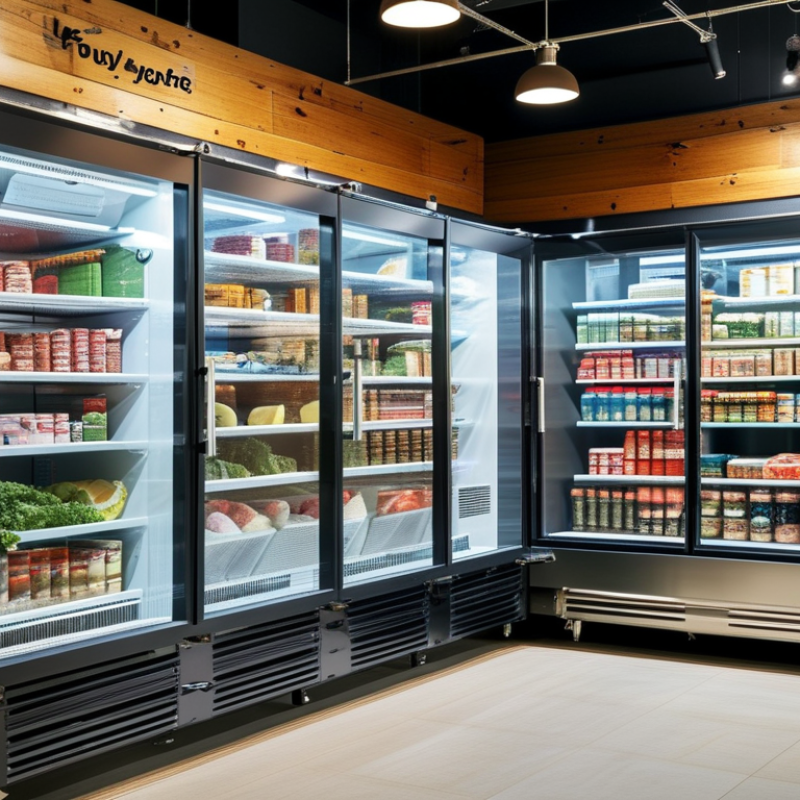
What to Consider When Buying a Freezer Room for Your Business

Factors to Assess Before Purchasing a Freezer Room

When considering a freezer room for your business, several factors warrant careful assessment. The space available is crucial. You need to measure your location accurately. Insufficient space can lead to operational issues. A well-planned layout promotes efficiency and ease of access. Consider how you will organize products within the freezer. Using shelving and guidelines can improve storage.

Temperature control is another vital aspect. Different foods require specific temperatures. Ensure that the freezer room can maintain consistent conditions. Look into insulation quality as well; it affects both efficiency and energy costs. Regular maintenance is necessary to avoid unexpected breakdowns.

Budget constraints also play a role. High-quality materials might cost more initially but can save money in the long run. Analyze the energy consumption of your options. A unit that uses less energy may have a higher initial expense. However, it could mean lower utility bills. Evaluate all these elements carefully to make a well-informed decision.
Types of Freezer Rooms and Their Suitable Applications

When considering the types of freezer rooms for your business, it’s crucial to match the room to your needs. Walk-in freezer rooms are ideal for businesses needing large storage capacities. Restaurants and food distributors often use these spaces to keep perishables like meat and vegetables fresh. They even come in customized sizes to fit various locations.

Modular freezer rooms are another option worth exploring. They can be assembled easily and are portable. This flexibility makes them suitable for catering companies or temporary setups. These rooms can adapt quickly to changing business needs, which is an attractive feature for many operators establishing new workflows.

Blast freezers are essential for specific industries. They rapidly freeze products, preserving their quality. This feature is significant for bakeries and ice cream manufacturers. However, investing in such specialized equipment requires careful consideration of operational costs. Each type of freezer room presents advantages and challenges, so reflecting on your business's unique needs is vital. Balancing capacity, efficiency, and cost will guide you in making the best choice.

What to Consider When Buying a Freezer Room for Your Business

Freezer Room Type Temperature Range (°C) Storage Capacity (Cubic Meters) Suitable Applications
Walk-in Freezer -20 to -10 10-40 Food storage, pharmaceuticals
Reach-in Freezer -18 to -5 1-5 Restaurants, grocery stores
Modular Cold Storage 0 to -30 50-200 Meat processing, dairy storage
Blast Freezer -30 to -18 Variable Quick freezing of food, ice cream
Cylindrical Freezer -15 to -5 5-10 Specialty food storage

Key Specifications to Look for in Freezer Room Design

When selecting a freezer room for your business, design specifications play a crucial role. A well-designed freezer room ensures efficiency and meets your operational needs. One key aspect is the insulation thickness. According to industry reports, an insulation layer of at least 6 inches is optimal for energy savings and temperature maintenance. Insulation types vary, affecting energy consumption and long-term costs. It's essential to choose materials with a high R-value.

Temperature control systems are another vital specification. Advanced systems offer digital controls and precise temperature management. Research indicates that businesses with precise control can reduce food spoilage by up to 30%. Consider setup options such as remote monitoring. This feature allows real-time temperature adjustments, promoting safety and efficiency.

Moreover, access points and layout should fit your workflow. A room with poorly planned shelving can lead to inefficient space use. Studies reveal that 70% of freezer room users report challenges with accessibility. Ensuring that your design promotes easy access to products can streamline operations. Evaluate your flow and accessibility carefully to maximize efficiency.

Key Considerations for Freezer Room Specifications

Cost Considerations and Budgeting for a Freezer Room Purchase

When considering the purchase of a freezer room for your business, budgeting plays a crucial role. According to a report by the Global Cold Chain Alliance, the initial cost of a walk-in freezer can range from $5,000 to over $25,000. This price depends on size, insulation, and cooling technology. Smaller businesses might be tempted to opt for budget models. However, cheaper units can lead to higher energy costs and maintenance issues over time.

Operating costs can add up significantly. The U.S. Department of Energy indicates that a properly insulated freezer room can reduce energy costs by up to 30%. Poor insulation leads to energy loss and inefficient operation. Regular maintenance and monitoring are also essential. Neglect can increase repair costs, creating financial strain. Aim to invest in reliable systems that offer longevity and efficiency.

Consider financing options carefully. Many businesses overlook potential hidden costs. Installation fees, permits, and energy consumption should all be factored into your budget. Consulting with experts can help identify these costs early on. Accurate forecasts can mitigate budget overruns, a common pitfall for new purchases. Balancing initial investment with long-term savings can guide your decision more effectively.

Maintenance and Energy Efficiency in Freezer Room Operation

Maintaining optimal conditions in a freezer room is crucial for preserving perishable goods. Regular maintenance ensures that the cooling systems function effectively. According to industry reports, well-maintained freezer rooms can reduce energy consumption by up to 30%. This not only saves costs but also extends the lifespan of the equipment.

Energy efficiency is a significant consideration. A report by the U.S. Department of Energy highlights that modern refrigeration systems can be up to 50% more energy-efficient than older models. Selecting the right insulation is essential. Poor insulation leads to higher operational costs. It's important to evaluate the refrigerant options as well. Choosing eco-friendly refrigerants can significantly lower environmental impact.

However, initial costs may be high for energy-efficient systems. Businesses must weigh short-term expenses against long-term savings. Regularly scheduled inspections can be inconvenient but are vital for preventing larger issues. Failing to address minor problems can lead to costly repairs. Balancing cost, efficiency, and maintenance requires careful planning and consideration.

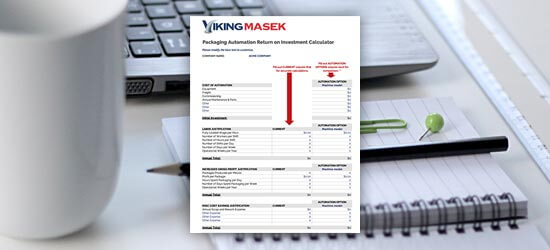
Packaging machine ROI calculator

Need help figuring out if packaging automation is right for your business?


First, start with the numbers. Download our free packing machine ROI calculator to learn how long it will take for an investment in automation to pay for itself (and much more).


Free packaging automation ROI calculator