


China Top Raffia Straw Hat Manufacturers for Wholesale

Choosing a wholesale supplier for a Raffia Straw Hat line takes more than comparing unit prices. Buyers need to check fiber consistency, stitching, brim shape, colorfastness, and how finished hats hold their form after packing. Ask for a physical sample. Examine the crown seam and edge binding in daylight. Small flaws show quickly.

Industry context is available through Grand View Research’s global headwear market analysis and UN Comtrade trade records for hats made from plaited materials. These sources help frame demand and trade activity, but neither isolates raffia hats as a precise market category. That gap matters. Treat broad market figures as context, not proof of a supplier’s sales or capacity. For China-based manufacturers, verify sample quality, production lead times, material descriptions, and carton specifications directly. Written details are useful; a production sample is better.

For a responsible sourcing perspective, Fashion Revolution co-founder and sustainable-fashion expert Orsola de Castro has said, “The most sustainable garment is the one already in your wardrobe.” Her point is not specific to raffia. Still, it is relevant: durable construction and realistic order planning can reduce avoidable returns and unsold stock. There is room for doubt, too. A polished sample cannot guarantee every bulk unit will match. Compare samples with pre-shipment inspection records before committing to a large order.
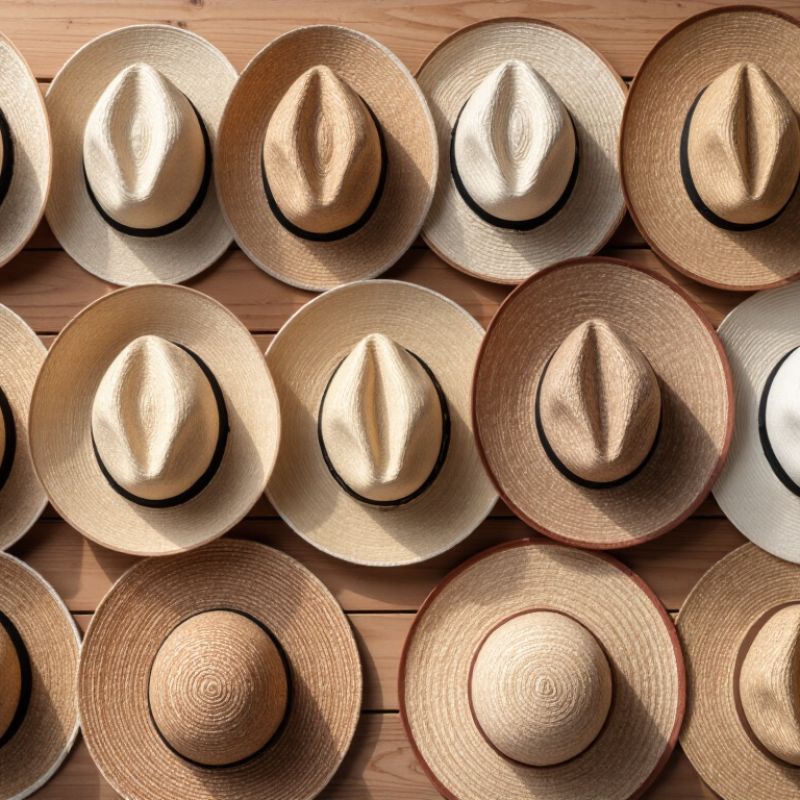
China Top Raffia Straw Hat Manufacturers for Wholesale

Raffia Straw Hats Explained: Fiber Sources, Weaving, and Construction

Raffia usually comes from the long leaves of raffia palms, which grow in tropical regions, including parts of Madagascar and mainland Africa. Workers split, dry, and sort the leaf fibers before weaving. Good strands feel flexible, not brittle, and show a fairly even color. Natural variation is normal. A pale streak or darker strand does not automatically mean poor quality.

Weaving shapes how a hat feels and wears. Some makers braid narrow raffia strips, then stitch the braid into a crown and brim. Others crochet or weave fibers directly into a hat form. Look closely at the brim edge: loose ends can catch, while uneven stitching may let the shape sag. Check the crown, too. That matters. A dense weave offers more structure, but it can feel warm in direct sun; an open weave breathes better, though it may lose shape sooner.

For wholesale evaluation, compare sample hats from the same order rather than judging one attractive piece. Check the inner band, seam tension, brim symmetry, and odor after unpacking. Ask how fibers are dried and whether sizing or finishing changes the hand feel. I would not assume every natural fiber hat will match a color card exactly. That expectation often needs revising. Specify acceptable shade variation and measurements before production, then inspect a few hats from different cartons.

Wholesale Hat Categories: Fedoras, Bucket Hats, Visors, and Wide-Brim Styles

Wholesale buyers can build a practical range around four raffia straw hat categories: fedoras, bucket hats, visors, and wide-brim styles. Each serves a different use. Fedoras suit customers seeking a shaped crown and a more polished look. Bucket hats feel relaxed and pack easily, though their soft brims may not suit everyone. Small details matter.

Visors keep the crown open and work well for sunny outdoor settings. Check that the band sits comfortably and does not loosen with wear. Wide-brim hats offer generous shade, but a brim that is too floppy can lose its shape during shipping. Ask suppliers about brim support, stitching, sizing, and how hats are packed for bulk orders.

Raffia texture naturally varies, so color and weave may differ slightly between production runs. Request samples from the intended wholesale lot when consistency matters. Also compare crown depth and inner-band finish; a hat may look good on a display form yet feel tight after an hour. That is easy to overlook. A balanced assortment might include several neutral shades, clear size options, and different brim widths, with quantities adjusted after reviewing customer feedback.

China Manufacturer Profiles: Factory Location, Specialization, and Export Experience

When comparing China’s raffia straw hat manufacturers, start with the factory’s actual location. A company in a coastal production area may have easier access to packing services and export shipping, but location alone proves little. Ask whether the listed address is a workshop, office, or trading operation. The distinction matters.

Specialization is visible in the details. Some factories focus on handwoven crowns, while others produce machine-sewn styles or add fabric bands and adjustable linings. Request close-up photos of the weave, brim edge, and inner sweatband. Ask how the factory handles color variation between raffia batches. It happens. A good supplier should explain its inspection steps and show a pre-shipment sample, not promise perfect uniformity.

Export experience should be specific, not just a broad claim. Ask which regions the factory regularly ships to, what order sizes it can manage, and whether it has handled custom labels or carton specifications. Redacted packing lists or shipment records can help confirm experience without exposing customer details. Check sample quality before discussing large volumes. Even experienced factories can miss a detail, such as brim shape after packing, so agree on measurable specifications in writing.

Customs Classification: HS 6504 Covers Plaited or Assembled Headgear

China Top Raffia Straw Hat Manufacturers for Wholesale

HS 6504 covers hats and other headgear plaited or made by assembling strips of material. Raffia hats may fit this heading when their construction matches that description. The visible straw alone does not determine classification. Check how the crown and brim are formed, whether strips are braided or joined, and whether the hat is lined or trimmed. Small construction details matter.

For wholesale orders, ask manufacturers for clear product specifications, close-up photos, and a description of the weaving and assembly process. These details can help importers review tariff paperwork before shipment. A sample may look straightforward, yet mixed materials or a different brim finish can complicate the review. That part is easy to overlook. HS codes can also have country-specific subdivisions, so confirm the applicable national tariff code with a qualified customs professional.

Tips: Keep one sample and its specifications together with the invoice and packing details. Compare the paperwork with the finished hats, not just the original sample. If the construction changes, pause and recheck the classification. A quick check can prevent avoidable delays.

Supplier Evaluation: MOQ, Production Capacity, Quality Checks, and Lead Times

When comparing China-based raffia straw hat manufacturers for wholesale, check whether the minimum order quantity fits your sales plan. Some suppliers set different MOQs for custom colors, trims, or logo-free designs. Ask for a written price breakdown at several order volumes. A lower MOQ may cost more per hat, so compare the full quote. Request a physical sample before confirming bulk production.

Production capacity matters, but ask how it is calculated. Confirm monthly output for your specific hat shape, not the factory’s total across all products. For quality checks, agree on measurable details: brim width, crown shape, weave density, stitching, and color consistency. Request photos or inspection records from a production batch. Raffia is a natural material, so slight shade variation can occur; define an acceptable range rather than expecting every hat to look identical. Lead times should include sampling, material preparation, production, and packing. Build in extra days. Delays happen, and estimates can be optimistic.

Tips: Ask for a sample timeline and a written production schedule. Confirm when the lead-time clock starts. Keep one approved sample as your reference, and record any changes before production begins.

China Top Raffia Straw Hat Manufacturers for Wholesale – Supplier Evaluation: MOQ, Production Capacity, Quality Checks, and Lead Times

Indicative planning benchmarks for screening suppliers, not verified quotations or guarantees from specific manufacturers. Actual MOQ, capacity, specifications, and delivery dates vary by hat construction, customization, material availability, and order season. Confirm all figures in a written quotation and production plan.

Supplier Profile Indicative MOQ Indicative Monthly Capacity Best-Fit Order Quality Checks to Request Indicative Sample Lead Time Indicative Bulk Lead Time Evaluation Points
Small workshop / hand-weaving unit About 50–200 pieces per style; confirm whether colors and sizes count separately. About 500–2,000 pieces, depending on hand-weaving complexity and available workers. Small trial orders, handmade styles, and designs requiring close workmanship control. Check brim shape and symmetry; inspect weave density and loose ends; compare measurements against the approved sample; review color consistency and attachment strength of bands or trims. About 7–15 calendar days after design and material details are confirmed. About 25–45 calendar days after sample approval and deposit. Ask for a daily or weekly output plan, a workmanship limit sample, and confirmation of whether production is in-house or subcontracted.
Mid-size hat maker About 200–500 pieces per style; customized trims or packaging may require a higher minimum. About 2,000–8,000 pieces across active styles, subject to labor and material supply. Repeat wholesale orders with moderate customization and multiple size or color options. Request a pre-production sample; confirm brim diameter, crown height, hat circumference, color, and trim placement; inspect a production-line sample and a random sample from packed cartons. About 7–14 calendar days for a standard design; longer if custom materials are required. About 20–40 calendar days after sample approval, material confirmation, and order sign-off. Check capacity by style rather than total factory output. Confirm inspection timing, defect handling, carton quantity, and packing requirements in writing.
Export-oriented producer About 300–1,000 pieces per style for customized orders; stock or standard designs may have lower minimums. About 5,000–20,000 pieces across product lines; raffia-specific capacity should be verified separately. Larger orders requiring coordinated production, export packing, and documented quality procedures. Agree on a written specification sheet; check approved sample, measurement tolerances, material and color consistency, workmanship, labeling, carton markings, and final random inspection before shipment. About 10–20 calendar days for a new custom style, depending on trim and packaging approval. About 25–50 calendar days after all approvals and materials are ready; peak-season schedules may take longer. Request recent, redacted production evidence, a capacity schedule, the named inspection stage, and a shipment-ready date rather than an estimate based only on order placement.
Custom-design / private-label production line Often about 500–1,500 pieces per design when custom labels, trims, or packaging are included; verify each component’s minimum. Varies widely; obtain a style-specific capacity plan and identify any outsourced processes. Private-label programs with custom dimensions, color matching, labels, or retail packaging. Approve a sealed reference sample; document permitted measurement variation; check label spelling and position, trim attachment, color under agreed lighting, packing method, and carton drop or transit requirements where relevant. About 10–20 calendar days, excluding time needed to source and approve custom materials. About 30–60 calendar days after final sample, artwork, materials, and packaging are approved. Confirm ownership and approval of artwork, costs for sample revisions, material lead times, and whether the quoted lead time includes packaging and final inspection.
All supplier profiles Compare the MOQ by style, color, size, and packaging—not only by total order quantity. Request current available capacity for the proposed production window, not a general annual figure. Choose the production model that matches order volume, customization, and repeat-order needs. Use an agreed inspection checklist and acceptance criteria. For applicable shipments, buyers may specify an independent inspection and a sampling plan such as ISO 2859-1; agree the inspection level and defect limits before production. Start the sample clock only after complete specifications and required materials are received. Define whether lead time starts after deposit, sample approval, or material approval, and whether weekends or holidays are included. Keep approved samples, specifications, inspection records, and the final packing list as part of the purchase record.
Packaging machine ROI calculator

Need help figuring out if packaging automation is right for your business?


First, start with the numbers. Download our free packing machine ROI calculator to learn how long it will take for an investment in automation to pay for itself (and much more).


Free packaging automation ROI calculator