Best Trade Show Booth Rental Alternative in China
Choosing a Trade Show Booth Rental Alternative in China can give exhibitors more control over design, reuse, and long-term costs. Instead of renting the same standard structure for each event, companies may work with a local exhibition contractor to create a modular booth they can adapt across multiple shows. That could mean reusable aluminum frames, replaceable fabric graphics, and counters sized for product samples or brochures. Details matter.
The right option depends on more than the initial quote. Ask how the booth will be packed, transported, installed, and stored between events. Confirm who checks dimensions, lighting, printed graphics, and venue requirements before production begins. Request material samples and a clear schedule, especially when several suppliers handle different parts of the project. These checks can reduce avoidable surprises, though they cannot guarantee a flawless installation.
A reusable booth is not automatically cheaper or more sustainable. Storage, refurbishment, freight, and design changes can add costs over time. A booth that worked well in Shanghai may also need adjustments for another venue or audience. It is worth comparing rental and purchase costs across the events you actually plan to attend, not an optimistic estimate. This guide outlines practical factors for evaluating a Trade Show Booth Rental Alternative in China, including supplier experience, construction quality, customization, and after-show support. The best choice is usually the one your team can use reliably—not merely the one with the most impressive render.
What a Reusable Trade Show Booth System Is
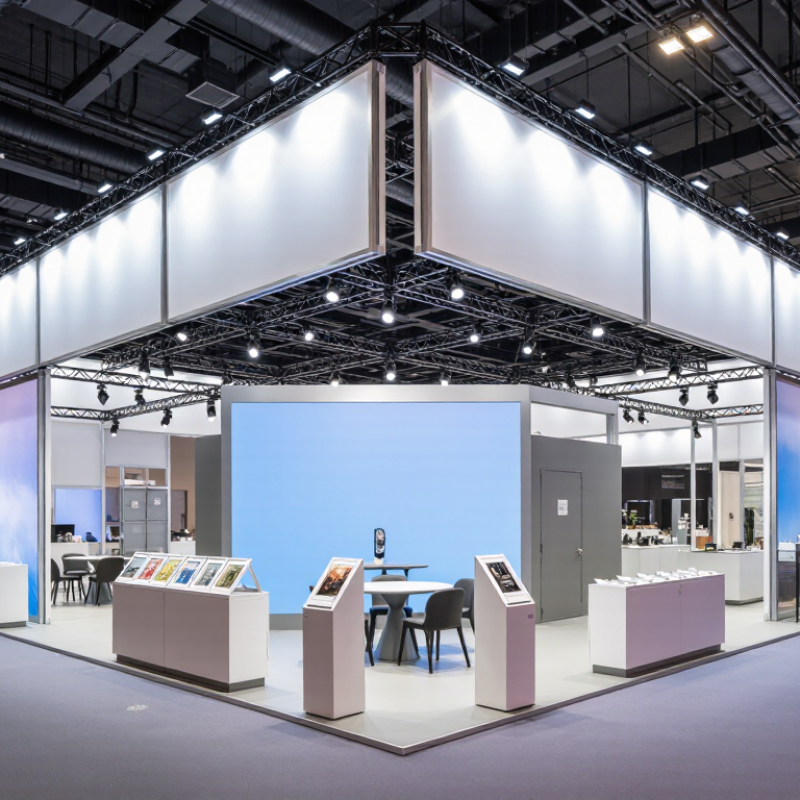
A reusable trade show booth system is a display made from components designed for repeated assembly and use. Typical parts include lightweight frames, graphic panels, counters, shelves, and lighting. The pieces pack into transport cases and can be rearranged for different floor plans. Simple, but practical.
For exhibitors in China, this approach can reduce reliance on building a new booth for every event. A modular frame may fit a compact stand one month and support a wider layout later, with updated graphics doing much of the visual work. Before choosing a system, check the venue’s dimensions, access times, and setup requirements. Confirm how parts are labeled and who handles installation; these details matter when a shipment arrives close to opening day.
Reusable does not mean effortless. Panels can wear, graphics may need replacing, and a standard layout may feel less distinctive than a one-off build. I have seen planning focus too heavily on the frame and not enough on storage or transport. Ask for a parts list, packed dimensions, and a clear replacement plan. The best system is one your team can actually reuse—not just one that looks modular in a catalog.
Reusable Trade Show Booth Systems: Common Booth Footprints
Comparing the floor area of three common booth layouts can help when planning a reusable system for different event spaces.
Areas are calculated from the listed dimensions using 1 foot = 0.3048 meters. These are common layout examples; available booth sizes vary by event.
How Booth Rental Alternatives Work in China
In China, a rental alternative often means owning a modular booth system and reusing it across several exhibitions. The process starts with a floor plan, stand size, venue rules, and a list of equipment needs. A designer then creates repeatable panels, frames, counters, and lighting. Local teams can fabricate or adapt components, ship them to the venue, and assemble them on site. After the show, the parts are packed, stored, repaired, and prepared for the next event. Simple in theory. Storage and transport still need careful planning.
UFI’s 2024 Global Exhibition Barometer reported that global exhibition industry revenues in 2023 reached about 98% of 2019 levels, with 2024 forecast at 114%. That recovery makes repeat-use planning relevant for exhibitors attending several events. CEIR research has also reported that 81% of trade show attendees have buying authority. A clear booth can support useful conversations, but it cannot guarantee leads. Track actual costs across design, production, shipping, setup, storage, and repairs before comparing ownership with a rental quote.
The trade-off is flexibility. A standard modular structure can reduce repeated fabrication, yet unusual floor plans may require custom pieces. A practical approach is to reuse the frame and refresh graphics for each show. Keep spare connectors and a printed assembly plan in the packing cases. Small parts go missing. I have seen that detail underestimated. Recheck venue access times and electrical requirements with the organizer; a reusable booth still needs event-specific coordination.
How Reusable Booths Compare With Traditional Rentals
A conventional booth rental in China is practical for a one-off show: the supplier handles delivery, installation, and dismantling. But the design may be limited, and repeat bookings can mean paying again for similar walls, counters, and lighting. A reusable booth costs more to design upfront. Its modular frames, printed panels, and shelves can be reconfigured for different venues. That flexibility matters. So do storage, shipping, and repair costs.
The U.S. Environmental Protection Agency’s 2018 Advancing Sustainable Materials Management report estimates that Americans generated 292.4 million tons of municipal solid waste that year. This is a broad national figure, not a trade-show measurement, but it highlights why material life cycles deserve attention. Reusing booth components can reduce demand for new materials, though transport and storage also have impacts. The better option depends on how often the booth will be used. A reusable system may not pay off for a single small event.
Tips: Before comparing quotes, ask for a component list, replacement-panel prices, storage fees, and a second-show cost estimate. Check how the frame fits the booth sizes you actually book. Keep one spare connector. Small parts get lost. It is easy to overlook that. Compare total costs across planned shows, not just the first invoice.
Key Factors for Choosing a Booth Supplier
Best Trade Show Booth Rental Alternative in China
Key Factors for Choosing a Booth Supplier
A rental booth can reduce upfront costs, but supplier quality determines whether savings hold up onsite. Check the scope line by line: design, structural drawings, graphics, transport, installation, dismantling, and storage should be clearly assigned. Ask who will supervise the build and how changes are approved. A low quote may omit items such as venue-specific rigging or late-night labor. Small details matter. Freeman’s 2023 Attendee Experience Survey reported that 77% of attendees consider in-person events the most trusted way to discover new products and services. A reliable booth should make those face-to-face conversations easy, with clear sightlines, accessible counters, and practical lighting.
Request recent project photos, material specifications, and a written schedule with approval deadlines. For a China show, confirm the supplier’s familiarity with the venue, local delivery windows, and required technical documents. Ask for a contingency plan for damaged graphics or delayed freight. Reusable panels can reduce waste, but inspect their condition; worn edges show under bright hall lighting. No checklist catches every surprise, so allow time for one design revision.
Tips: Compare itemized quotes, not just totals. Confirm one onsite contact, delivery dates, and what happens if the stand arrives incomplete.