China Top 10 Black Rectangular Hollow Section Suppliers
Black Rectangular Hollow Section is a practical choice for frames, gates, furniture, and general fabrication. Its clean rectangular profile makes layouts straightforward, while its uncoated, dark surface suits projects that do not require a finished appearance. “Black” can mean different things across supplier catalogs, though. Buyers should confirm the product’s surface condition, dimensions, and applicable specifications before comparing prices.
Quality expert W. Edwards Deming famously said, “In God we trust; all others must bring data.” That principle fits supplier selection well. For this China Top 10 guide, we look beyond product photos and headline prices. Useful checks include wall-thickness consistency, dimensional tolerances, inspection records, available sizes, cutting services, packing methods, and export experience. A clear mill test certificate and a responsive technical contact can matter as much as a competitive quotation.
Look closely. A sample’s sharp corners, surface marks, and measured wall thickness can reveal details a catalog image cannot. Ask suppliers how they handle order changes and what documentation accompanies each shipment. The strongest option is not automatically the largest factory or the lowest bidder. It is the supplier whose capabilities match your drawings, inspection needs, and delivery schedule. This comparison has limits: product ranges and production conditions can change, so confirm current details directly. Even careful research cannot replace a verified sample and a written specification.
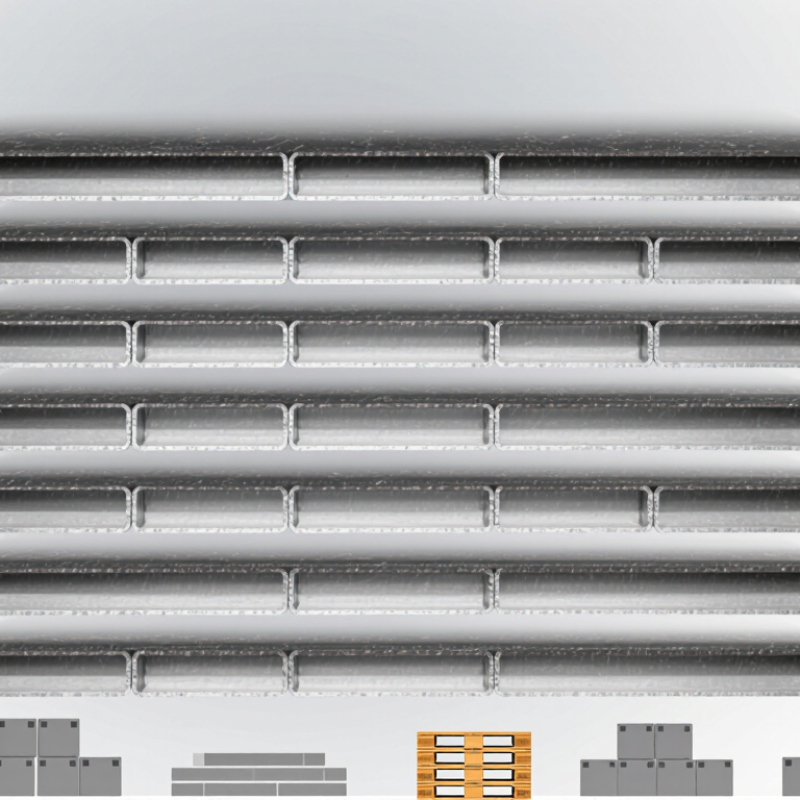
Black Rectangular Hollow Sections: Specifications and Common Applications
Black rectangular hollow sections (RHS) combine flat faces with a closed, box-like profile. Buyers typically compare outside width and height, wall thickness, steel grade, and supplied length. Common sizes vary by market and mill, so confirm dimensions rather than relying on a catalog image. The black surface usually means an as-rolled finish, not guaranteed corrosion protection. Check the product data sheet, material certificate, and applicable product standard before ordering.
RHS is used for equipment frames, shelving, gates, handrails, and architectural supports. Its flat sides can simplify cutting, alignment, and joining in many workshops. Closed sections can resist twisting better than open profiles of similar depth, but performance depends on size, grade, and joint design. Outdoor installations need a suitable coating system and planned maintenance. A thicker wall is not automatically better; it adds weight and may complicate fabrication.
Tips: Measure the cut list twice. Ask about thickness tolerance, straightness, and end condition. Confirm weldability before production; guessing can cause delays. I would also check how the section will be handled and coated, since those details are easy to overlook.
How China’s Leading Suppliers Are Evaluated
Evaluating Chinese black rectangular hollow section suppliers takes more than comparing quoted prices. Check the stated steel grade, wall-thickness tolerance, corner shape, straightness, weld-seam consistency, and surface condition. Request mill test certificates linked to heat numbers, dimensional inspection records, and recent independent test reports. On a sample length, use calibrated calipers to check each wall and inspect the seam under angled light. Details matter.
The World Steel Association’s World Steel in Figures 2024 reports that China produced 1,019.1 million tonnes of crude steel in 2023, about 53.9% of global output. This indicates a substantial manufacturing base, not equal quality across suppliers. Assess each factory’s production capacity, traceability, quality-control process, and delivery record separately. Confirm that test methods and acceptance limits match the standard specified in your purchase documents. A polished certificate alone cannot prove consistent performance across every batch.
Tips: Compare samples from different production runs, not just one selected length. Record measurements and photograph defects before approval. No scorecard is perfect; even careful checks can miss variation inside a large shipment, so consider pre-shipment inspection for high-volume orders.
Profiles of Ten Black Rectangular Hollow Section Suppliers
China’s black rectangular hollow section suppliers differ in production scale and service focus. The profiles below describe ten useful supplier types, not named companies. One is an integrated producer offering a broad range of sizes. Another focuses on export orders and protective packing. A cold-forming specialist may offer consistent corner geometry, while a project-oriented supplier can cut sections to specified lengths. Some suppliers mainly distribute stocked structural steel. Others handle contract production, regional warehousing, high-volume orders, small batches, or technical support for drawings and specifications.
These differences matter on the shop floor. A fabricator joining 100 mm sections may care about wall-thickness consistency and straightness. A buyer shipping overseas may value dry storage and bundle protection. Ask each supplier for current dimensional tolerances, material certificates, inspection details, and sample lead times. A polished catalog is not proof of uniform production; I would verify a sample before placing a large order. Even good suppliers can vary between batches.
Tips: Compare like with like. Confirm outside dimensions, wall thickness, length tolerance, surface condition, and packing requirements in writing. Request recent inspection records, then check sample corners and measure several points along the section. Small checks help.
Supplier Capabilities, Product Ranges, and Quality Standards
When comparing China’s top 10 black rectangular hollow section suppliers, look beyond catalog size. Check available outside dimensions, wall thicknesses, steel grades, and standard stock lengths. A capable supplier should explain which sizes are routinely produced and which require a custom order. “Black” usually describes an uncoated surface, but confirm whether mill scale, light oil, or another condition is supplied. That matters.
Quality checks should connect to the intended use. Ask for material test certificates, heat or batch traceability, and stated dimensional tolerances. For a sample section, measure the width, height, and wall thickness, then inspect the corners, straightness, and cut ends. Small details count. Ask which manufacturing and inspection standards apply, and request the standard’s exact designation and edition. Requirements can differ by market and project.
Compare how suppliers handle nonconforming material, packing, and delivery updates, not just quoted price. For export orders, confirm bundle markings and moisture protection; scratched or wet sections can complicate storage. A tidy certificate pack is useful, but it does not replace inspection. I would also ask for recent test records, though paperwork alone cannot show how consistently each batch performs. A practical supplier makes limitations clear and answers technical questions without promising that every size is always available.
How to Compare Suppliers for Your Project Needs
China Top 10 Black Rectangular Hollow Section Suppliers
How to Compare Suppliers for Your Project Needs
Choosing a supplier starts with the drawing, not the price list. Confirm outside dimensions, wall thickness, length, steel grade, and permitted tolerances. Ask whether “black” means an uncoated mill finish or a painted surface; the distinction affects handling and finishing. Request recent inspection records and material certificates, then check that they match the quoted product. For structural use, confirm the relevant specification with your engineer. A polished brochure is not proof of consistent production; that distinction is easy to overlook.
Tips: Send every supplier the same inquiry and drawing. Ask for a sample, production lead time, packing details, and a clear explanation of how defects are handled. Compare actual specifications, not just headline prices. Small details matter.
Check capacity against your order size and delivery schedule. Ask how bundles are protected from moisture and dents during transport, and whether shipment updates include dates and quantities. Evaluate how directly the sales team answers technical questions. If answers are vague, request written clarification before paying a deposit. One comparison may still feel imperfect, especially when suppliers describe tolerances differently. Record those differences instead of assuming the products are interchangeable.



