Why Choose Eco Friendly Wrapping Paper for Your Business?
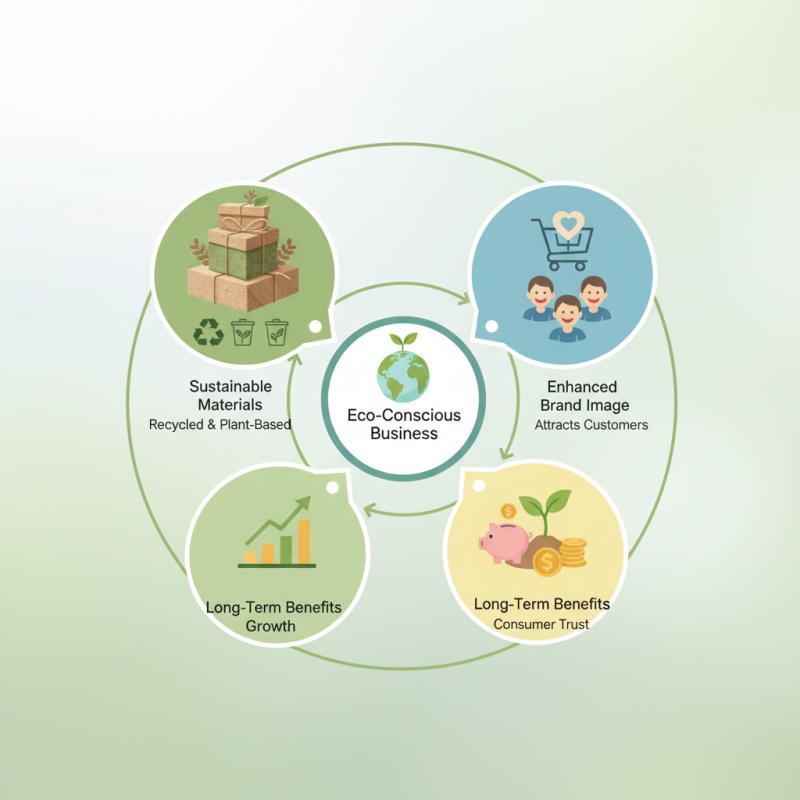
In today’s eco-conscious market, businesses must consider their environmental impact. The choice of Wrapping Paper plays a significant role in this. Traditional wrapping paper often contains non-biodegradable materials and harmful dyes. Switching to eco-friendly wrapping paper not only benefits the planet but also enhances brand image.
Consider choosing wrapping paper made from recycled materials or plant-based fibers. These options are biodegradable and often compostable. Customers appreciate brands that align with their values, and utilizing sustainable packaging can attract a loyal customer base. However, it is crucial to ensure that quality remains high while keeping sustainability in mind.
Some businesses might worry about costs. Eco-friendly wrapping paper may sometimes be pricier. However, assessing the long-term benefits can provide insight. Investing in sustainable materials can enhance consumer trust and loyalty, fostering growth in the long run. Choosing the right wrapping paper ultimately reflects a brand's commitment to the environment.
Benefits of Eco-Friendly Wrapping Paper for Sustainable Branding
Eco-friendly wrapping paper is becoming a crucial aspect of sustainable branding. It appeals to environmentally conscious consumers. Using such materials can enhance your brand’s image in competitive markets. Many brands are now focusing on sustainability. This shift reflects growing environmental awareness among consumers.
One significant benefit of eco-friendly wrapping paper is its reduced environmental impact. Traditional wrapping materials often harm the planet. In contrast, eco-friendly options are biodegradable or recyclable. This choice resonates with customers who prioritize sustainable products. It shows that your business cares about the earth.
Tips for using eco-friendly wrapping paper: choose materials made from recycled paper or plant-based fibers. Consider using simple designs. They not only look appealing but also minimize ink use, which is often harmful. Engage your customers with the story behind your wrapping. Share your commitment to sustainability on social media. This builds trust and loyalty.
Remember, perfection is a process. Some eco-friendly options may be more costly, but the long-term benefits outweigh initial expenses. It’s essential to review your choices regularly, ensuring they align with your sustainability goals. Adjustments may be necessary, and that’s just part of the journey.
The Environmental Impact of Traditional Wrapping Paper vs. Eco-Friendly Options
Traditional wrapping paper often comes from non-recyclable materials. This contributes to deforestation and waste in landfills. A staggering amount of paper waste is generated during holidays and special occasions. Many people are unaware that most wrapping papers are lined with plastic or foil, making recycling nearly impossible.
In contrast, eco-friendly wrapping options are made from sustainable resources. They are biodegradable and compostable, reducing their impact on the environment. Using recycled paper or plant-based materials can significantly lessen your business's carbon footprint. These choices reflect a growing consumer preference for sustainability. Consumers today are more mindful about the products they purchase.
Many businesses still choose traditional paper due to its availability and aesthetic appeal. However, a shift toward eco-friendly options can enhance a brand's reputation. It indicates that a business cares about the planet. This movement may seem small, but it holds great potential for positive change. Embracing eco-friendly wrapping is not just a trend; it is a necessary step for the future.
Consumer Preferences: The Shift Towards Sustainable Packaging Solutions
Consumers are increasingly leaning towards sustainable packaging solutions. This shift is driven by a growing awareness of environmental issues. Many shoppers now prioritize eco-friendly options over traditional materials. They seek products that align with their values. This trend is more than just a fad; it reflects a fundamental change in consumer behavior.
Using eco-friendly wrapping paper can enhance a brand’s image. It shows a commitment to sustainability. Businesses that adopt green practices often attract more customers. However, the transition isn't always smooth. Finding reliable suppliers of sustainable materials can be challenging. Not every option is truly environmentally friendly, making it essential for businesses to research their choices.
Sustainable packaging can sometimes be more costly. Brands may worry about increased expenses. However, consumers are often willing to pay a premium for eco-friendly products. This willingness can offset the initial costs. Striking a balance between cost and sustainability is critical. Companies must continue to innovate in their packaging strategies. The market is evolving, and those who adapt will thrive.
Why Choose Eco Friendly Wrapping Paper for Your Business?
The chart above illustrates the growing consumer preference for eco-friendly wrapping paper. As consumers become increasingly aware of sustainable packaging solutions, the willingness to pay a premium for environmentally friendly options rises significantly, contrasting sharply with the traditional wrapping paper that shows diminishing popularity.
Cost-Benefit Analysis: Eco-Friendly Wrapping Paper for Business Profitability
Eco-friendly wrapping paper is becoming essential in modern businesses. A recent report showed that 73% of consumers prefer products with sustainable packaging. This shift in consumer preference impacts business profitability positively. Using eco-friendly materials often increases brand loyalty.
A cost-benefit analysis reveals intriguing insights. Although eco-friendly wrapping can be 10-30% more expensive upfront, the long-term savings can be significant. Many businesses report a 20% increase in sales after switching to environmentally friendly options. An emphasis on sustainability can differentiate a brand in a competitive market.
However, challenges remain. Sourcing quality eco-friendly materials can be complex. Some small businesses may struggle with the initial investment. Yet, the positive consumer response often justifies the cost. Adapting to eco-friendly practices requires reflection and ongoing effort. Brands must evaluate their supply chain and seek effective solutions.
Industry Trends: Growth of the Eco-Friendly Packaging Market in Recent Years
The eco-friendly packaging market has seen remarkable growth in recent years. Companies are increasingly adopting sustainable practices to meet consumer demand. Shoppers now prefer brands that emphasize environmental responsibility. This shift is shaping the future of packaging in various industries, especially in retail. The trend points to a greater need for biodegradable and recyclable materials.
Choosing eco-friendly wrapping paper can significantly enhance your business image. It showcases your commitment to sustainability. Customers are more likely to return to brands that prioritize the planet. This choice can foster loyalty and create a competitive advantage.
**Tips for Implementation:**
Consider using local suppliers for your eco-friendly wrapping paper. This reduces transportation emissions and supports your community. Experiment with designs that minimize ink and other chemicals. Always communicate your sustainable choices to customers. Clear labeling can raise awareness and build trust. Emphasizing eco-friendliness can transform challenges into opportunities as you enhance your brand's appeal.
Why Choose Eco Friendly Wrapping Paper for Your Business? | Year | Market Size (Million USD) | Growth Rate (%) | Consumer Preference (%) | Sustainability Awareness (%) |
| 2018 | 800 | 5 | 60 | 50 |
| 2019 | 850 | 6.25 | 65 | 55 |
| 2020 | 900 | 5.88 | 70 | 60 |
| 2021 | 1000 | 11.11 | 75 | 65 |
| 2022 | 1150 | 15 | 80 | 70 |
| 2023 | 1300 | 13.04 | 85 | 75 |