


How to Choose the Right Stand Up Box Pouch for Your Needs?

Choosing the right stand up box pouch can be a daunting task. With many options available, it’s crucial to understand your needs. These pouches come in various sizes and materials, each catering to different products.

Think about what you plan to package. Is it food, cosmetics, or something else? The material of the stand up box pouch matters greatly. Are you looking for durability or eco-friendliness? These details can impact both functionality and customer perception.

Don’t overlook the design aspect. A well-designed pouch draws attention but must remain practical. Reflect on what will truly work for your brand. Sometimes, it’s easy to get lost in flashy designs, forgetting the core purpose. Balancing aesthetics with utility may require some trial and error.
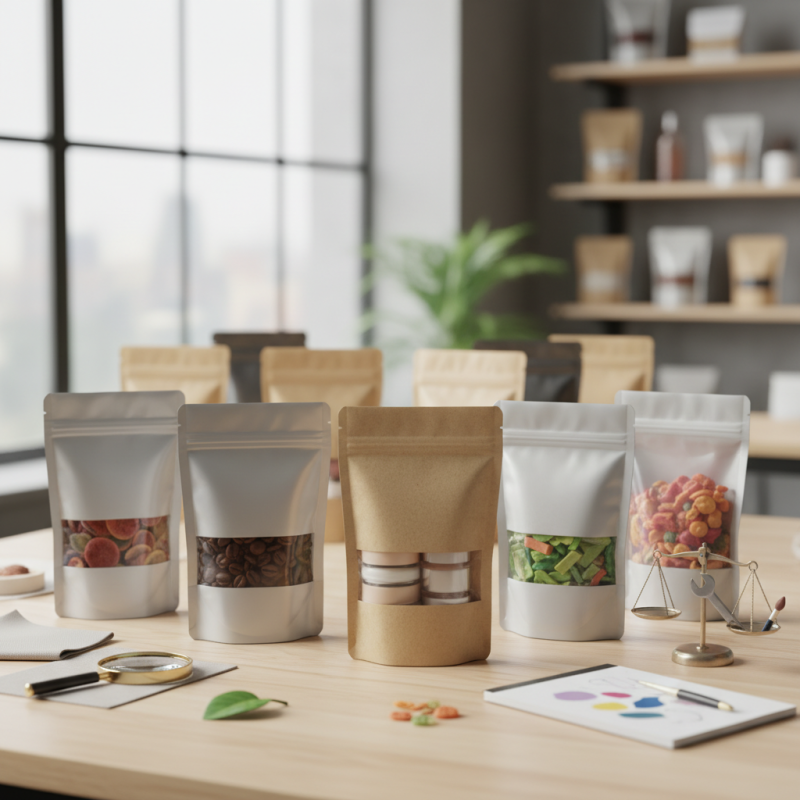
How to Choose the Right Stand Up Box Pouch for Your Needs?

Factors to Consider When Choosing a Stand Up Box Pouch

When selecting a stand-up box pouch, several factors play a vital role. Size is crucial. Evaluate how much product you need to store. A pouch too large may waste space, while one too small can be restrictive. Think about the dimensions that fit your product perfectly.

Material choice impacts durability and appearance. Look for options that provide a good barrier against moisture and light. This helps maintain freshness. Transparent windows can showcase your product, but they may compromise strength. Weigh the aesthetic against functionality.

Closure systems also deserve attention. Zippers provide convenience but might fail over time. Resealable options can enhance usability. Reflect on how customers will interact with your pouches. A poor design may result in frustration. Ultimately, the pouch must serve your product well while appealing to your audience.
Types of Materials Used in Stand Up Box Pouches

Choosing the right material for stand-up box pouches is crucial. Various materials offer different benefits. Common options include plastic, foil, and paper. Each material has its own unique properties. For instance, plastic pouches are lightweight and durable. They can be easily sealed and are resistant to moisture.

Foil pouches provide excellent barrier properties. They protect contents from light, air, and moisture. Studies show that products in foil pouches often have a longer shelf life. This can lead to reduced waste. Conversely, paper pouches are biodegradable and eco-friendly. They appeal to environmentally-conscious consumers. However, they might not provide the same level of moisture protection.

It's vital to consider your product's needs. Some materials can reflect your brand identity. High-quality materials may increase production costs. But they can also enhance perceived value. Balancing cost and quality is often a challenge. Many manufacturers face dilemmas regarding sustainability. The right choice depends on various factors, including biocompatibility and recyclability.

How to Choose the Right Stand Up Box Pouch for Your Needs? - Types of Materials Used in Stand Up Box Pouches

Material Type Properties Applications Sustainability
Plastic (PET) Durable, moisture-resistant, lightweight Food packaging, snacks, liquids Recyclable, but environmental concerns
Aluminum Foil Excellent barrier properties, reflective Coffee, snacks, sensitive products Recyclable, energy-intensive to produce
Paper Biodegradable, printable, moderate strength Organic products, baking, dry goods Highly sustainable, renewable resources
Compostable Films Breaks down in composting conditions, eco-friendly Organic snacks, produce, environmentally conscious products Highly sustainable, ideal for eco-friendly brands
Metalized Films Barrier to light, moisture, and oxygen Snacks, dried fruits, pet food Recyclable, less sustainable than paper

Understanding Size and Capacity Requirements

When choosing a stand-up box pouch, size and capacity are crucial factors. Industry reports indicate that 60% of consumers value packaging that is both functional and aesthetically pleasing. Understanding your target market’s needs can guide you towards the right dimensions. A pouch that holds 500 to 1000 milliliters is often ideal for food products. In contrast, 100 to 250 milliliters may suffice for personal care items. Always measure your contents accurately.

Tip: Consider how the product will be used. A larger capacity may seem beneficial, but it could lead to waste if your customers don’t finish it. Think about reusability and portion control.

Another consideration is the shape of the pouch. A wider base can enhance stability, making it easier to store and display. According to market research, 40% of consumers desire packaging that prevents spills and enhances convenience. This should influence your design choices.

Ultimately, test various sizes. There is a balance between the right fit and too much unfilled space. Observe consumer reactions to ensure optimal satisfaction. Adjustments may be necessary after initial feedback.

Choosing the Right Stand Up Box Pouch: Size & Capacity Analysis

Design Options and Customization Features

When selecting a stand-up box pouch, design options matter. The right pouch enhances your product’s appeal. Consider colors, shapes, and finishes. Matte or glossy finishes can dramatically change the look. Vibrant colors attract attention, while subtle hues suggest elegance. The choice is yours, so think about your brand image carefully.

Customization features are vital too. Adding a logo can boost brand recognition. Window pouches let customers see the product, increasing trust. Use unique shapes to stand out on shelves. However, be mindful of costs. Complex designs can become expensive. Simplicity can also be powerful; don’t overlook it.

Tips: Always request samples before deciding. This allows you to evaluate the material and design. Take the time to gather feedback from potential customers. Their opinions can help shape your choices. Reflect on what your target audience values. That insight could guide your design decisions effectively.

Sustainability and Eco-Friendliness in Packaging Choices

Sustainability is a crucial factor in packaging today. Consumers are increasingly aware of their choices. They want packaging that aligns with their values. The right stand up box pouch can meet these expectations. Materials must be eco-friendly and recyclable. This choice plays a significant role in reducing waste.

When selecting a stand up pouch, consider its life cycle. What happens after it is used? Some materials biodegrade faster than others. This detail is often overlooked. Pouches made from plastic or composite materials can linger in landfills. They may not be the best choice for the environment.

It's important to reflect on your needs versus environmental impact. A stylish pouch might catch your eye, but does it harm the planet? Consumers are responsible for asking these questions. Simple actions can lead to better choices. Striving for eco-friendliness in packaging is a journey. Each step counts.

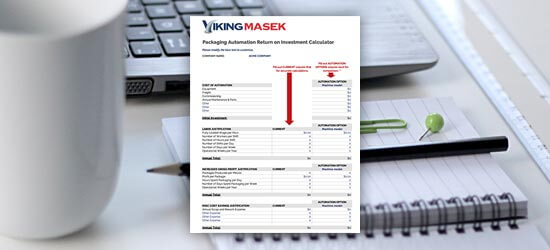
Packaging machine ROI calculator

Need help figuring out if packaging automation is right for your business?


First, start with the numbers. Download our free packing machine ROI calculator to learn how long it will take for an investment in automation to pay for itself (and much more).


Free packaging automation ROI calculator