


How to Choose the Best Ceramic Vacuum Filter
Choosing the right Ceramic Vacuum Filter begins with the slurry, not the equipment brochure. Particle size, solids concentration, temperature, and chemical conditions all influence filtration performance. A unit that works well in one plant may struggle with another feed. Small differences matter.
Look closely at the cake. Does it release cleanly from the ceramic discs? How much moisture remains after the cycle? Check filtrate clarity, throughput, energy use, and maintenance demands under representative operating conditions. Pilot testing can reveal problems that a specification sheet may miss. Real slurry tells the story.
The best choice also depends on plant constraints. Available floor space, operator experience, spare-part access, and integration with existing equipment can shape long-term results. Ask suppliers for performance data tied to comparable materials, and clarify how they measure capacity and cake moisture. Compare like with like.
A useful selection principle is: “Match the filter to the slurry, then verify it in operation.” No verifiable expert source was provided for that wording, so it should not be presented as a real person’s quotation. A named specialist’s exact statement should be checked against a traceable interview, publication, or company source before publication. That detail matters.
This guide outlines the questions that help buyers make a sound comparison. It also flags trade-offs, because the highest rated capacity is not always the best fit for a real plant. The right filter is the one that performs reliably with your material, operators, and process conditions.
Understanding How Ceramic Vacuum Filters Work
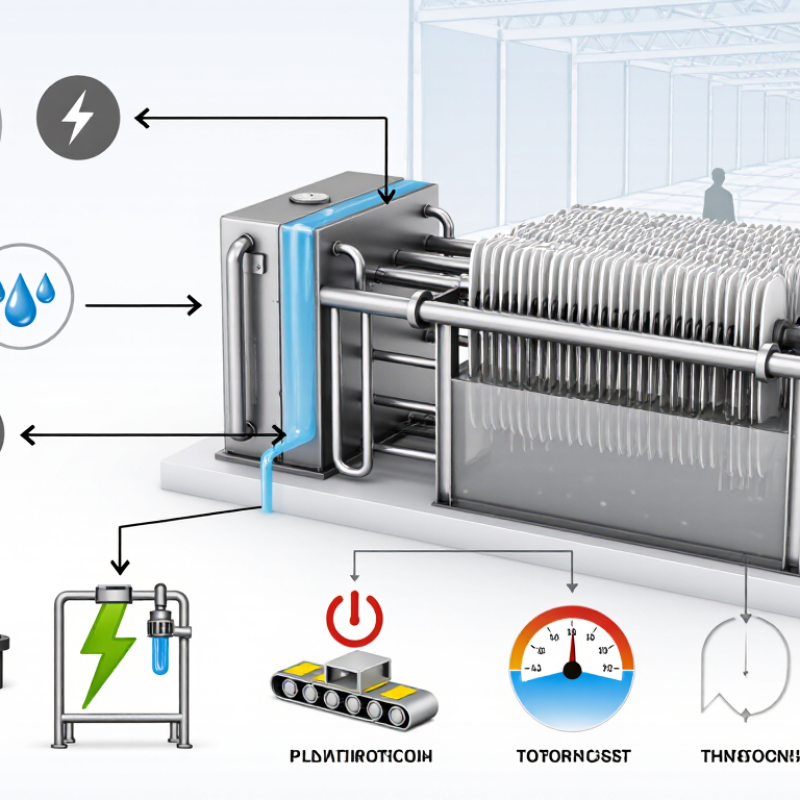
A ceramic vacuum filter separates liquid from solids through a rotating, porous ceramic disc. Its surface dips into slurry, where fine pores draw liquid inward by capillary action. A vacuum system helps move filtrate through the disc’s internal channels. Solids remain outside as a cake.
Small pores matter. As the disc rotates, the cake drains and becomes firmer. At the discharge point, a brief air pulse helps release it; filtrate can then be collected for reuse or further treatment. The U.S. Geological Survey’s Mineral Commodity Summaries 2024 estimates global iron ore mine production at about 2.5 billion metric tons in 2023, with U.S. production near 46 million metric tons. These figures show the scale of material handled, but they do not predict filter performance at any particular site.
Slurry properties decide a lot. Particle size, temperature, and solids concentration affect how quickly liquid passes through and how evenly the cake forms. Operators should inspect filtrate clarity, cake thickness, and moisture during a trial, not rely on catalogue figures alone. A dense cake may drain well, yet stick during discharge. That trade-off is easy to miss. Ceramic elements also need careful cleaning; blocked pores can quietly reduce throughput. The uncomfortable question is whether feed conditions stay stable enough to justify the system.

Identifying Your Material and Filtration Requirements
Start with the slurry, not the machine. Record the solids type, particle-size range, concentration, temperature, and pH under normal operating conditions. Fine particles may form a dense cake, while a wide size range can produce uneven filtration. Note whether the material is abrasive, sticky, or chemically reactive; these traits affect wear, cake release, and cleaning. Small details matter. A slurry that looks uniform in a beaker may settle or thicken during production.
Then define the result you need: filtrate clarity, cake moisture, and processing rate. These targets can pull in different directions. A finer ceramic pore structure may improve retention but reduce flow, depending on the slurry. Compare pore options using representative samples, and measure results at realistic solids concentrations and temperatures. I would not rely on one unusually clean laboratory sample; it can give a misleading picture. Check how easily the cake releases and whether routine backwashing restores flow. If feed conditions vary by shift, test those variations too, and keep a record of each trial.
How to Choose the Best Ceramic Vacuum Filter
Start with the material: characterize its particle-size distribution, solids concentration, and chemical properties. Then define the required throughput, cake moisture, and washing needs.
How to read the chart: Scores show relative screening priority on a 1–5 scale; they are a qualitative guide, not measured performance data or universal specifications. Confirm filter selection and operating conditions with representative slurry testing.
Comparing Filter Capacity, Pore Size, and Operating Conditions
A ceramic vacuum filter should be selected against the slurry’s real throughput needs, not its headline capacity alone. Check the rated area and expected solids loading, then compare them with feed volume and operating hours. A larger unit may still underperform if the cake builds unevenly or washes poorly. Actual output matters.
Pore size affects both filtrate clarity and cake formation. Finer pores can retain smaller particles, but may blind faster when the feed contains clay or other fine solids. Coarser pores may improve drainage, yet let unwanted particles pass. Test a representative slurry and inspect the filtrate, cake thickness, and release after each cycle. Small differences show up quickly.
Operating conditions shape those results. Record vacuum level, cycle time, slurry temperature, solids concentration, and wash volume during trials. Changes in viscosity or particle size can shift performance, even when the filter stays the same. Check whether the ceramic elements tolerate the process chemistry and cleaning routine. A careful trial is useful, though it may not reproduce every shift in feed conditions. Allow room for that uncertainty when setting capacity targets.
Evaluating Equipment Design, Maintenance, and Service Life
How to Choose the Best Ceramic Vacuum Filter
A ceramic vacuum filter should be judged by its maintainability, not capacity alone. Check whether operators can reach the ceramic plates, wash headers, seals, and drive components without dismantling major assemblies. Inspect sample plates for even pore structure and consistent filtrate flow. Small details matter. Poor access can turn a routine inspection into prolonged downtime.
Service life depends on feed conditions, cleaning practice, and mechanical loading. Abrasive solids or blocked pores may reduce filtration performance; cracked plates can also create uneven cake formation. The U.S. Department of Energy’s 2006 pumping-system sourcebook estimates that pumps account for nearly 20% of global electrical energy demand. That figure is not specific to ceramic filters, but it underscores why vacuum-pump efficiency, leak checks, and operating controls deserve attention. No component lasts indefinitely. Build replacement intervals from inspection records, rather than relying only on a supplier’s rated life.
Tips: Ask for operating data from a feed similar to yours. Track vacuum level, filtrate clarity, cake moisture, and cleaning frequency. Compare readings over time. A brief trial can expose problems that a polished specification sheet may miss. Keep one awkward question on the checklist: how quickly can a worn plate be replaced?
How to Choose the Best Ceramic Vacuum Filter - Evaluating Equipment Design, Maintenance, and Service Life
| Evaluation Dimension | What to Examine | Useful Evidence or Data | Selection Guidance |
|---|---|---|---|
| Feed and process fit | Slurry solids concentration, particle-size distribution, temperature, chemistry, and throughput requirements. | Representative slurry test results, including filtrate clarity, solids capacity, and cake properties. | Compare candidate filters using the same representative feed and operating conditions; performance depends strongly on the slurry. |
| Ceramic filter element | Element material, pore structure, effective filtration area, and compatibility with the process liquid and solids. | Element specifications, chemical-compatibility information, and test data for the intended slurry. | Choose elements validated for the actual process; pore structure and area affect throughput and filtrate quality. |
| Equipment configuration | Disc or other filter arrangement, number of sectors or elements, tank layout, and access for inspection and removal. | General arrangement drawings, maintenance-clearance requirements, and element replacement procedure. | Confirm the layout meets the required capacity and allows safe, practical access for routine maintenance. |
| Vacuum and cycle control | Vacuum system capacity, operating controls, cake formation time, dewatering time, and discharge sequence. | Operating curves or test records showing vacuum level, cycle timing, and resulting cake moisture for the application. | Evaluate the complete cycle rather than vacuum level alone; verify stable operation at the required production rate. |
| Cake formation and discharge | Cake thickness and consistency, scraper or discharge arrangement, and risk of sticking or uneven removal. | Observed cake release during trials, cake-moisture measurements, and inspection of discharge performance. | Confirm the cake can be discharged reliably under the expected feed and operating conditions. |
| Cleaning and regeneration | Backwashing provisions, compatible chemical-cleaning procedures, and any supported ultrasonic-cleaning options. | Documented cleaning instructions, chemical compatibility, cleaning frequency, and filtration performance before and after cleaning. | Select a cleaning approach compatible with the ceramic elements and process chemistry; verify recovery with operating data. |
| Routine maintenance | Inspection points, wear items, lubrication needs, sealing arrangements, and ease of accessing components. | Maintenance schedule, task list, estimated service intervals, and required tools or skills. | Compare the workload and access requirements with site staffing, maintenance windows, and operating practices. |
| Service life and replacement | Element durability under the actual abrasion, chemical exposure, cleaning regime, and handling conditions. | Field history from comparable duties, warranty terms, inspection criteria, and replacement-part availability. | Do not rely on a generic service-life figure; estimate life from comparable operating conditions and track performance over time. |
| Energy and utilities | Vacuum pump demand, backwash requirements, cleaning utilities, and any auxiliary equipment load. | Utility consumption measured or estimated at the specified throughput and operating cycle. | Compare energy and utility use per unit of processed solids, using consistent test conditions. |
| Service and technical support | Commissioning assistance, troubleshooting support, operator training, and access to replacement elements and parts. | Support scope, response arrangements, training materials, and documented parts lead times. | Confirm support expectations and critical-spares arrangements before purchase, especially for continuous-duty operations. |
Selecting a Filter That Fits Your Plant and Budget
A ceramic vacuum filter should be selected around your slurry, not a catalogue capacity figure. Test samples that reflect normal shifts, including changes in solids concentration and particle size. Small variations matter. Record feed temperature, chemistry, target cake moisture, and tonnes processed per hour. Fine particles or sticky cake can affect filtration and discharge, so a short trial on representative material is more useful than relying on a clean laboratory sample. Check whether the plant can supply stable vacuum and suitable wash water.
The purchase price is only one part of the budget. Estimate electricity, wash-water use, replacement ceramic elements, maintenance labor, and production lost during cleaning or repairs. Compare options by cost per dry tonne, using realistic operating hours rather than ideal conditions. A compact unit may fit an existing floor plan but leave little room for servicing. Low bids can mislead. Confirm that operators can handle routine checks and that critical spares can be stored on site. I would also question any projection that assumes the feed stays constant; plant slurries rarely do. A modest pilot run can reveal whether the expected moisture level and throughput hold when the feed shifts.


