How to Choose an Automated Packaging Line in 2026?

Choosing an Automated Packaging Line in 2026 is not simply a speed decision. It is a capacity, product-protection, and operating-cost decision. Grand View Research estimated the global packaging machinery market at USD 45.4 billion in 2023, with projected growth through 2030. That forecast signals investment, but it cannot tell you which line fits your factory. Your answer depends on the products, formats, and shifts you actually run.

Start with the details operators see every day: film changes, label accuracy, rejected packs, and time lost clearing jams. Map the full route from feeding and filling to sealing, inspection, and case packing. Ask suppliers for changeover times and sustained output using your product—not just best-case speeds. Check whether the line can connect with existing equipment, and confirm spare-parts access, cleaning needs, and operator training. Small details matter.

Automation has a useful caution from technology leader Bill Gates: “The first rule of any technology used in a business is that automation applied to an efficient operation will magnify the efficiency. The second is that automation applied to an inefficient operation will magnify the inefficiency.” Gates is not a packaging-line specialist, so this is a general principle, not a packaging-industry endorsement. Still, it is a sound test: fix recurring bottlenecks before buying equipment to reproduce them faster. A line that looks impressive in a demonstration may disappoint on a difficult shift. Measure the real constraints. Then compare lifecycle cost, flexibility, and verified performance—not brochure claims.
How to Choose an Automated Packaging Line in 2026?

Define Production Requirements and Packaging Objectives

Before comparing automated packaging lines, define what the line must deliver. List every SKU, package format, product dimension, and acceptable variation. Record good units per minute, shift length, planned uptime, and seasonal peaks. Count the changeovers. Average output can hide a Monday rush or frequent carton-size changes. Treat existing figures as imperfect: minor stops and rejected packs are often under-recorded.

Staffing assumptions matter, too. Deloitte and the Manufacturing Institute’s 2024 workforce report estimates that up to 1.9 million U.S. manufacturing jobs could go unfilled by 2033. This is not a packaging-line forecast, but it makes operator availability worth testing against each shift plan. The International Federation of Robotics reported 541,302 industrial robot installations worldwide in 2023. That signals widespread automation, not proof that a robot suits your process.

Set measurable packaging objectives before requesting equipment proposals. Specify acceptable seal quality, pack dimensions, product damage limits, changeover time, and reject handling. Note material types, infeed and downstream equipment, floor space, and cleaning needs. Ask suppliers to demonstrate your actual products at target speed, then record results under agreed test conditions. A neat factory trial may not reflect a rushed shift, so include realistic changeovers and interruptions in the acceptance criteria.

Assess Product Characteristics, Formats, and Throughput

When choosing an automated packaging line in 2026, start with the product, not the machine’s headline speed. Record dimensions, weight, temperature, fragility, dust, and surface friction across every SKU. A chilled pouch, a rigid jar, and a powder sachet create different feeding and sealing demands. Small details matter. Test real products, including awkward shapes and nearly empty containers, before finalizing equipment.

Next, map every required format: bags, cartons, trays, multipacks, or cases. Note how often operators must change formats, and measure changeover time with actual tooling. The International Federation of Robotics’ World Robotics 2024 report counted 4.28 million industrial robots operating worldwide in 2023, up 10% from 2022. That signals expanding automation, not a reason to automate every step. Match line speed to sustained demand, not a supplier’s peak rate. Include planned sanitation, replenishment, rejects, and downstream limits in the calculation.

The World Economic Forum’s Future of Jobs Report 2025 found that 60% of surveyed employers expect broader digital access to transform their businesses by 2030. For packaging teams, useful data starts with simple measures: good units per minute, stoppages, scrap, and changeover duration. Check these across a representative shift. A spreadsheet can hide a stubborn jam. Leave room for demand changes, but avoid paying for capacity that sits idle. One unresolved question is often more useful than a polished estimate: what happens when the product varies?

Compare Packaging Technologies and Automation Levels

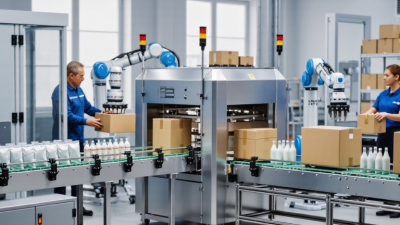
Choosing an automated packaging line in 2026 starts with the product and package, not the machine’s advertised speed. Flow wrappers suit consistent, flexible packs, while cartoners handle cartons and inserts. Case packers group finished units for shipping. Robotic pick-and-place systems offer flexibility when products vary, but they need careful setup and reliable gripping. Match each technology to package dimensions, fragility, and expected changeovers. A fast line can still be a poor fit.

Tips: Compare output at your real product mix, not just the best-case rate. Ask operators to test a changeover with actual materials. Check cleaning access, spare-part availability, and how faults are displayed.

Automation levels range from assisted stations to connected lines with automatic feeding, inspection, packing, and palletizing. Semi-automatic equipment may suit lower volumes or frequent product changes. Integrated automation can reduce repetitive handling, but it adds controls and maintenance needs. Check whether conveyors, sensors, and case packing can communicate with existing equipment. Request a trial using your own packs, and record jams, setup time, and staffing needs. A small weakness may appear only after several hours. No line is perfect. Factor in floor space and operator training before deciding; the highest automation level is not always the most dependable choice.

Evaluate Integration, Safety, and Regulatory Requirements

When evaluating an automated packaging line in 2026, treat integration as a production requirement, not an IT afterthought. Map how cartons, labels, product data, and rejects move between the filler, packer, inspection station, and case sealer. Ask suppliers to demonstrate connections with existing PLCs, barcode readers, and plant reporting systems using your actual data formats. Test a speed change and fault recovery, not just a steady-state run. A line that runs quickly but stops awkwardly can erode throughput. Small details matter. Check cleaning access, changeover steps, and spare-part replacement around real operators, not only on CAD drawings.

Safety and compliance should shape the layout before equipment is ordered. Review guarding, interlocks, emergency-stop reach, noise, and safe access during jam clearing with a documented risk assessment. Operators should be able to see where a package is rejected without reaching across moving belts. Confirm that electrical documents, machine labels, validation records, and user instructions match the destination market. Requirements differ by jurisdiction and product type, so qualified safety and regulatory personnel should verify the applicable rules. It is easy to overlook how later modifications may affect the original assessment. Request evidence, not assurances: test records, interface specifications, and a clear owner for updates after installation.

Calculate Total Cost and Validate Supplier Performance

An automated packaging line should be judged by the cost of running it, not just its purchase price. List the complete scope: conveyors, guarding, controls, installation, training, and integration with existing equipment. Ask suppliers to identify exclusions in writing. Small omissions can become expensive.

Build a five-year cost model using your actual shifts, product mix, and expected production volume. Include energy, film or carton waste, routine maintenance, spare parts, and labor for changeovers. For example, record how many minutes a format change takes and how much material is discarded during setup. Compare cost per accepted package, not theoretical maximum speed. The numbers may still be estimates. Mark assumptions clearly, then test how costs change if output falls or waste rises.

Validate supplier performance with a written acceptance plan before ordering. Define measurable targets for sustained speed, reject rate, changeover time, and uptime, using representative products and packaging. Request a factory test, then repeat key checks at your site after installation. Ask for service response times, spare-parts availability, and references from facilities with similar operating conditions. A polished demonstration is useful, but it is not proof. One awkward detail matters: your team may not run the line like the test crew. Include operators in trials, document results, and keep unresolved gaps visible.

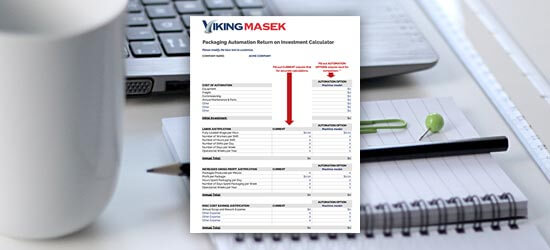
Packaging machine ROI calculator

Need help figuring out if packaging automation is right for your business?


First, start with the numbers. Download our free packing machine ROI calculator to learn how long it will take for an investment in automation to pay for itself (and much more).


Free packaging automation ROI calculator