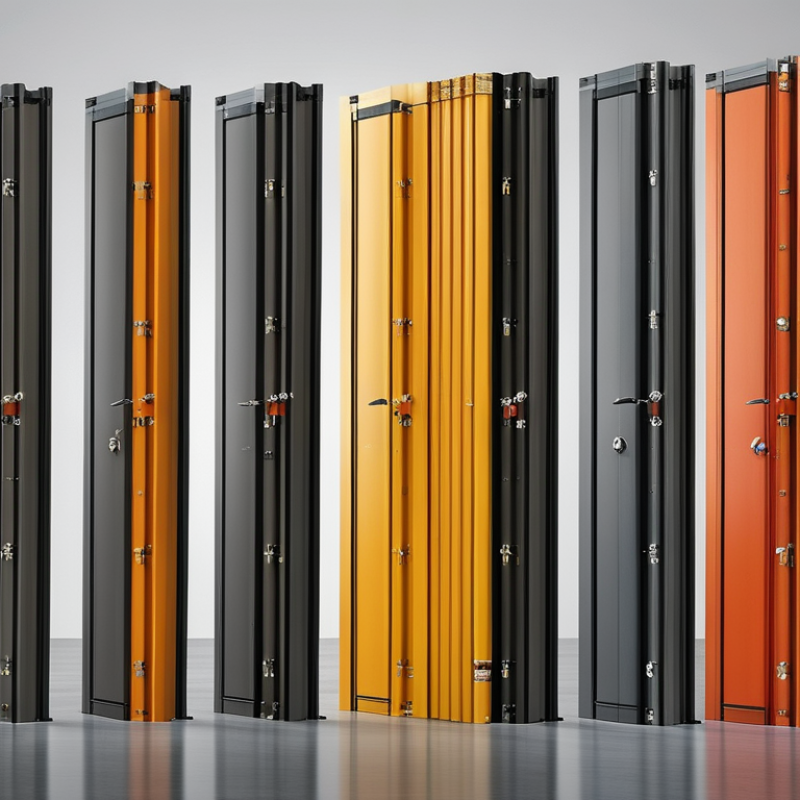
How to Choose Intumescent Seals for Fire Doors?
Choosing the right Intumescent Seals On Fire Doors is crucial for safety. These seals expand when exposed to heat, creating a barrier against smoke and flames. Proper selection ensures maximum protection during a fire.
When considering intumescent seals, factors like material, design, and application are essential. Not all seals are the same. Some may not fit specific door types, leading to gaps that compromise safety. Choosing wisely can be overwhelming.
We often overlook details. For example, seal placement significantly affects effectiveness. Testing the seals for compliance with fire safety standards provides assurance. The decision should never be rushed. A well-informed choice can save lives.
Understanding Intumescent Seals and Their Functionality
Intumescent seals play a critical role in enhancing the safety of fire doors. These seals expand when exposed to heat, filling gaps and preventing smoke and flames from spreading. Their effectiveness is vital; reports suggest that properly installed intumescent seals can reduce the transmission of smoke by up to 80% in a fire scenario. This capability is essential in maintaining safe escape routes during emergencies.
Understanding the functionality of intumescent seals is crucial. They typically fit around the perimeter of fire doors and work in conjunction with other fire-resistant materials. Data indicates that intumescent seals can withstand temperatures exceeding 800 degrees Celsius. It’s important to consider that the performance of these seals can vary significantly based on the environment and installation. For instance, if improperly sealed, even the best intumescent products may fail during a fire. Hence, correct installation and regular inspection are necessary.
Selecting the right intumescent seals involves thorough consideration of building codes and fire safety regulations. The choice should not be solely based on cost. Professionals recommend assessing various factors like door type and frequency of use. In some cases, a one-size-fits-all approach can lead to oversights. Ensuring that seals are appropriate for specific applications can be challenging yet essential for optimal fire safety.
Key Factors to Consider When Selecting Intumescent Seals
Choosing the right intumescent seals for fire doors involves understanding several key factors. Material quality is crucial. Most intumescent seals expand when exposed to heat, forming a barrier against smoke and flames. Look for seals made from durable materials that comply with fire safety standards. You should also consider the installation process. An improper installation can compromise the seal’s effectiveness. Seeking professional help might be necessary, especially for complex door frames.
Another important factor is the fire rating of the door. Doors come with specific fire ratings, and the seals must match these ratings to ensure maximum protection. Furthermore, you need to consider the seal’s dimensions. A proper fit is essential; gaps can lead to failure in performance. Make sure to measure your door correctly to avoid potential issues. While it’s tempting to cut costs, investing in high-quality seals is crucial for safety. Always prioritize reliability when making your selection.
Fire Door Intumescent Seals Selection Factors
Types of Intumescent Seals Suitable for Fire Doors
When selecting intumescent seals for fire doors, it's essential to consider the various types available. Intumescent seals are materials designed to expand when exposed to heat, allowing them to fill gaps and maintain door integrity during a fire. These seals can be categorized into two main types: edge seals and surface-mounted seals. Edge seals are fitted within the fire door itself, providing a more seamless appearance. On the other hand, surface-mounted seals are affixed to the door's surface, ideal for retrofitting existing doors.
Another important consideration is the material composition. Some seals are made from a combination of materials, while others rely on a singular substance. For example, seals may contain rubber or a type of foam that expands under heat. It's vital to match the seal's material to the specific fire rating of the door. This ensures optimal performance during an emergency.
Installation plays a crucial role in the effectiveness of intumescent seals. Proper placement and securing methods can significantly impact a seal's performance in a fire situation. Often, users might overlook how small gaps in installation can reduce the seal’s efficacy. It’s worth reflecting on how even minor misplacements can lead to significant safety risks. Ensuring a the correct fit is just as important as choosing the right seal type.
How to Choose Intumescent Seals for Fire Doors? - Types of Intumescent Seals Suitable for Fire Doors
| Seal Type | Material | Temperature Rating | Application |
| Cold Intumescent Seal | Graphite-based | Up to 1000°F (537°C) | Door frames and edges |
| Hot Intumescent Seal | Polymeric compounds | Up to 2000°F (1093°C) | Fire doors, partitions |
| Smoke Seal | Silicone or rubber | Varies by material | Prevent smoke leakage |
| Combination Seal | Graphite and smoke seal | Up to 2000°F (1093°C) | Multi-purpose use |
Installation Considerations for Intumescent Seals
When considering the installation of intumescent seals for fire doors, several factors come into play. It's crucial to ensure seals are compliant with relevant fire protection regulations, such as those from NFPA and UL. According to a report by the Fire Protection Research Foundation, properly installed intumescent materials can enhance fire resistance by up to 30%. This underscores the importance of precision during installation.
Incorrect positioning or insufficient seal length can lead to gaps, allowing smoke and flames to penetrate. Ensure that the intumescent seal fits snugly within the door frame. Additionally, selecting seals with the right expansion ratio is vital. Data shows that an expansion of at least 4 times the original thickness of the seal is ideal for effectively closing gaps during a fire.
Training for installation crews can help prevent costly mistakes. Insist on clear guidelines for both horizontal and vertical applications. Regular inspections post-installation are also key. Sometimes, the most meticulous plans do not yield perfect results, leading to reflections on lessons learned. Proper awareness can bridge the gap between compliance and practical effectiveness in fire safety measures.
Maintenance and Inspection of Intumescent Seals in Fire Doors
Intumescent seals play a critical role in fire doors, acting as a barrier against smoke and heat. Regular maintenance and inspection of these seals are essential to ensure their functionality. Studies indicate that around 25% of fire door seals fail during inspections, often due to wear or improper installation. Inspecting these seals regularly can help prevent such failures and enhance overall fire safety.
Visual checks should focus on the condition of the seals. Cracks, tears, or signs of aging can significantly reduce their effectiveness. According to industry reports, seals should ideally be inspected at least twice a year. During inspections, it is advisable to measure the gaps between the door and its frame. A maximum gap of 3mm is recommended to maintain optimal performance.
In addition to physical inspections, keeping a maintenance log can help identify patterns over time. While some seals last several years, others may need replacement sooner due to environmental factors. Companies that neglect this can put occupants at risk. Failure to address maintenance issues can lead to a false sense of security, making timely inspections crucial for fire safety compliance.