How to Choose Pallet Rack for Your Warehouse in 2026
Assess Your Inventory, Pallet Types, and Storage Goals
Start with a current inventory list, not just a total pallet count. Record each load’s weight, dimensions, overhang, and pallet style. Measure the tallest unit load, including wrap or uneven cartons. Small differences matter. Beam length must suit pallet width and placement clearance. A qualified rack or building professional should verify load capacities and floor conditions before installation.
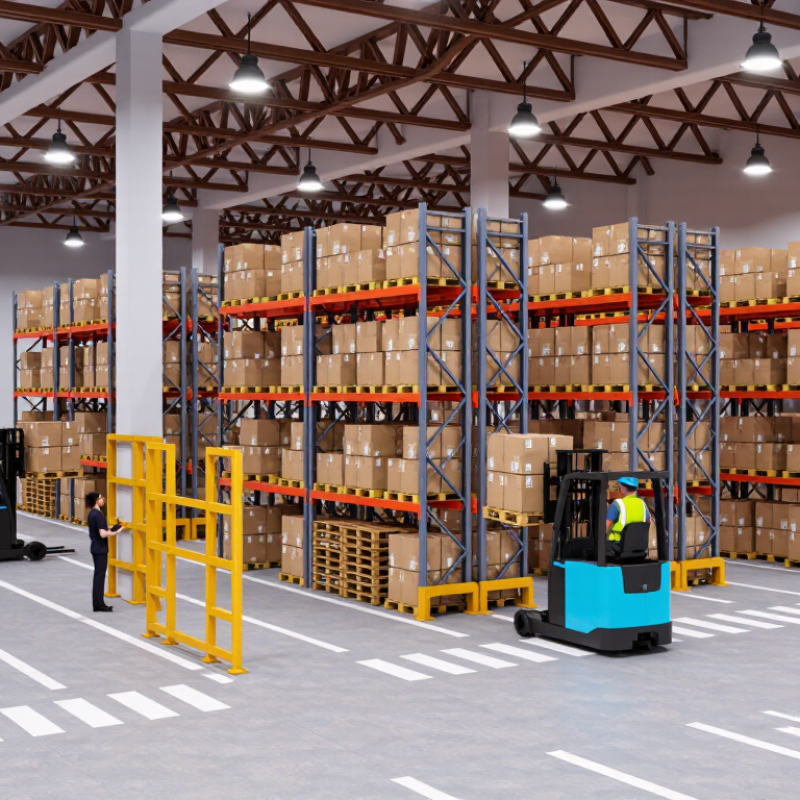
Next, match the rack layout to your storage goals. Selective rack gives direct access to each pallet, but uses more aisle space. Higher-density options can store more pallets in less floor area, though access may be slower. Consider order-picking patterns, future inventory changes, forklift turning space, and sprinkler or lighting clearances. Sketching real travel paths can reveal problems a simple capacity estimate misses. I have seen layouts look efficient on paper, then feel cramped during busy shifts.
Tips: Measure several pallets, not just one. Check damaged or unusually shaped loads, too. Leave room for safe handling, and revisit your assumptions when products or equipment change.