


How to Choose the Right PCB Manufacturer for Your Project?
Choosing the right PCB manufacturer is crucial for your project's success. The quality of printed circuit boards (PCBs) can impact performance. Selecting a reliable manufacturer requires careful consideration. Many options exist, but not all can meet your specific needs.
When evaluating potential PCB manufacturers, focus on their experience and capabilities. Look for companies that have a proven track record. Check their technology and production methods. Inquire about their quality control processes. A manufacturer’s certifications can also reflect their commitment to quality.
Pricing is important, but it shouldn’t be the only factor. The cheapest option may not provide the best results. Consider factors like customer service and communication as well. A manufacturer with good support can help you through challenges. Avoid rushing this decision; it may lead to costly mistakes. Take the time to assess potential partners carefully, ensuring they align with your project goals.
Understanding Your PCB Project Requirements
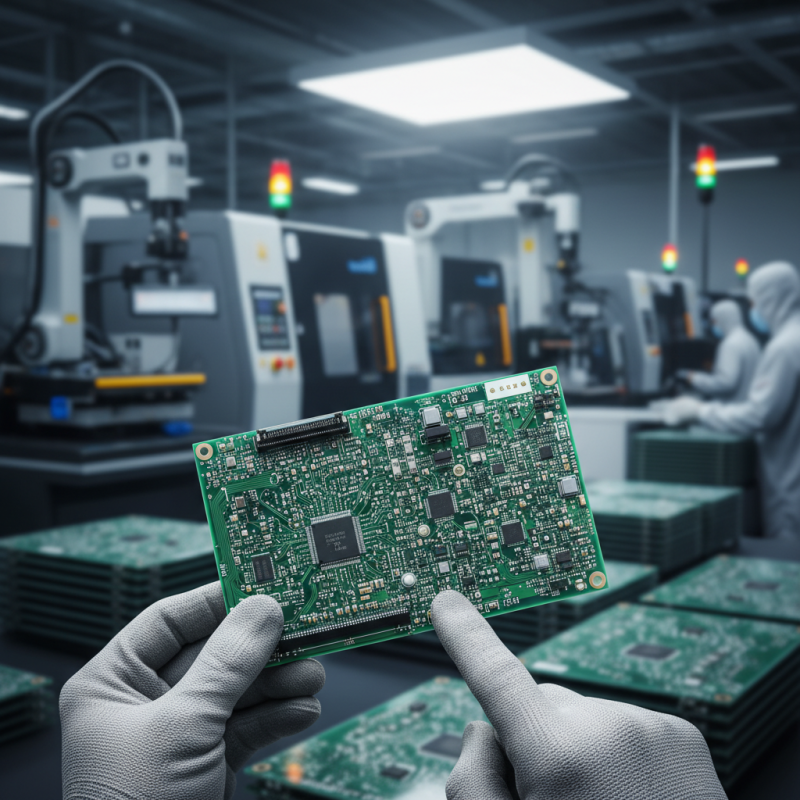
When selecting a PCB manufacturer, understanding your project requirements is crucial. Start by defining the specifications clearly. What is the size of the PCB? How many layers do you need? Consider the materials required. For instance, are you working with standard FR4, or do you need specialized materials? These details will guide your choice.
Evaluating your budget is also important. A tight budget may limit options. Are you willing to compromise on quality for cost? Reflecting on this can help you avoid future issues. Consider the complexity of your design too. Simple designs may not need the same capabilities as intricate ones. It's worth questioning if the manufacturer can handle your needs without sacrificing quality.
Don’t forget to check certifications. Many manufacturers claim to offer high standards, but not all follow through. Sometimes, the promises don't match reality. Seeking feedback from previous clients can reveal valuable insights. Always ask for samples before committing. Enjoying a personal connection with your manufacturer can also lead to better collaboration.
How to Choose the Right PCB Manufacturer for Your Project?
This chart shows the average time taken for different stages of PCB manufacturing, helping you understand the lead times associated with various processes.
Evaluating the PCB Manufacturer's Capabilities
When evaluating a PCB manufacturer's capabilities, several factors come into play. Start by examining their production capacity. A reliable manufacturer should handle various volumes, from prototypes to large-scale production. According to industry reports, around 70% of projects fail due to inadequate manufacturing capacity. This highlights the importance of discussing volume needs upfront.
Quality assurance is another crucial area. Modern PCBs require stringent testing and validation processes. Research shows that about 15% of PCBs fail quality checks at initial inspections. So, it’s essential to ensure the manufacturer follows industry standards, such as IPC-A-600. Ask about their testing methods and certifications. The best manufacturers invest in advanced technologies and training to minimize flaws.
Finally, evaluate the company's communication and support structure. A competent manufacturer should offer timely updates and transparent communication. Studies indicate that poor communication leads to project delays in 30% of cases. Check their responsiveness during initial discussions. If they seem unresponsive or vague, it might reflect their overall approach. Taking these factors into account can make all the difference in your project’s success.
How to Choose the Right PCB Manufacturer for Your Project?
| Criteria | Evaluation Metric | Importance (1-5) | Score (1-10) |
|---|---|---|---|
| Manufacturing Capabilities | Types of PCB supported | 5 | 8 |
| Quality Certifications | ISO, IPC certifications | 5 | 9 |
| Lead Time | Turnaround time | 4 | 7 |
| Cost | Price competitiveness | 4 | 8 |
| Customer Support | Availability and responsiveness | 4 | 6 |
Comparing Quality Standards and Certifications
When choosing a PCB manufacturer, quality standards are crucial. Certifications like IPC-A-610 and ISO 9001 demonstrate reliability. These standards ensure that the manufacturer consistently meets high-quality requirements. According to industry reports, 70% of defects in PCBs arise from inconsistencies in manufacturing practices.
Additionally, testing for these certifications can be expensive and time-consuming. Yet, without them, the risk of faulty products increases. A study found that companies that prioritize quality standards reduce rejection rates by 30%. This pushes many manufacturers to either invest in certifications or risk losing clients.
Communication with potential manufacturers is vital. Ask them about their certifications and quality assurance processes. Some may claim to meet high standards, but verification is necessary. Remember that even certified manufacturers can sometimes fall short. It’s wise to review past projects and seek customer feedback. Adopting a proactive approach can greatly impact your project's success.
Assessing Cost and Lead Time Considerations
When selecting a PCB manufacturer, assessing cost and lead time is crucial. The average cost of PCB production can vary widely. According to a recent industry report, prototype PCB costs range from $500 to $5,000, depending on complexity. Furthermore, production volumes can greatly affect pricing. Bulk orders often see a price reduction of up to 30%. This is important for project budgeting.
Lead time is another critical factor. Many manufacturers offer lead times from one week to six weeks, influenced by the complexity and quantity of PCBs. Recent studies show that delays in PCB production can lead to project overruns by as much as 25%. It’s vital to communicate your timeline upfront. Some manufacturers excel in quick turnaround times, while others may struggle, leading to potential frustrations. This lack of alignment between expectations and reality can challenge project success.
Remember that hidden costs can arise, such as setup fees or material surcharges. Transparency is essential. Requesting detailed quotes and timelines can expose any discrepancies. A proactive approach helps in navigating these challenges. It’s not just about picking the lowest cost; understanding the balance between price and reliability leads to better long-term outcomes.
Reviewing Customer Support and Communication Practices
When selecting a PCB manufacturer, customer support is crucial. Effective communication can significantly affect your project timeline. According to a recent industry report, nearly 70% of companies experienced delays due to poor communication with their manufacturers. This statistic highlights the need for clear dialogue to manage expectations and resolve issues promptly.
Companies should evaluate how responsive potential manufacturers are. Fast replies to inquiries often indicate a proactive approach. However, it's vital to consider the quality of interactions, not just the speed. Often, manufacturers may respond quickly but provide inadequate information. Such gaps can lead to misunderstandings later, causing potential delays or additional costs.
Additionally, ask for examples of previous project communications. This can reveal how they handle complex issues. A manufacturer that avoids communication during challenges may cause unnecessary friction. A robust support framework can make a marked difference in the overall experience. Ignoring this aspect can lead to frustration and setbacks that could have been avoided.


