


How to Choose the Right Static Frequency Converters for Your Needs?

Choosing the right Static Frequency Converters (SFCs) is critical for various industrial applications. These devices play a pivotal role in converting power supply frequencies, particularly in environments where equipment operates on different frequency standards. According to recent industry reports, the global market for Static Frequency Converters is projected to reach $3 billion by 2026, growing at a CAGR of 5.4%. This growth underscores the increasing reliance on SFCs in sectors such as renewable energy, marine applications, and manufacturing.

When selecting SFCs, considerations must go beyond just specifications. Key factors include load requirements, operational efficiency, and environmental conditions. Experts emphasize that understanding the precise needs and potential limitations of your application will lead to better choices. However, many organizations still overlook these vital aspects, leading to suboptimal performance and increased costs.

Reliability and technical support from the manufacturer are also crucial in this decision-making process. Ensuring that your chosen SFC can withstand the operational demands is paramount. Failure to address these details might result in equipment failures or inefficiencies. Careful evaluation and expert consultation can guide you in making informed decisions about Static Frequency Converters tailored to your needs.
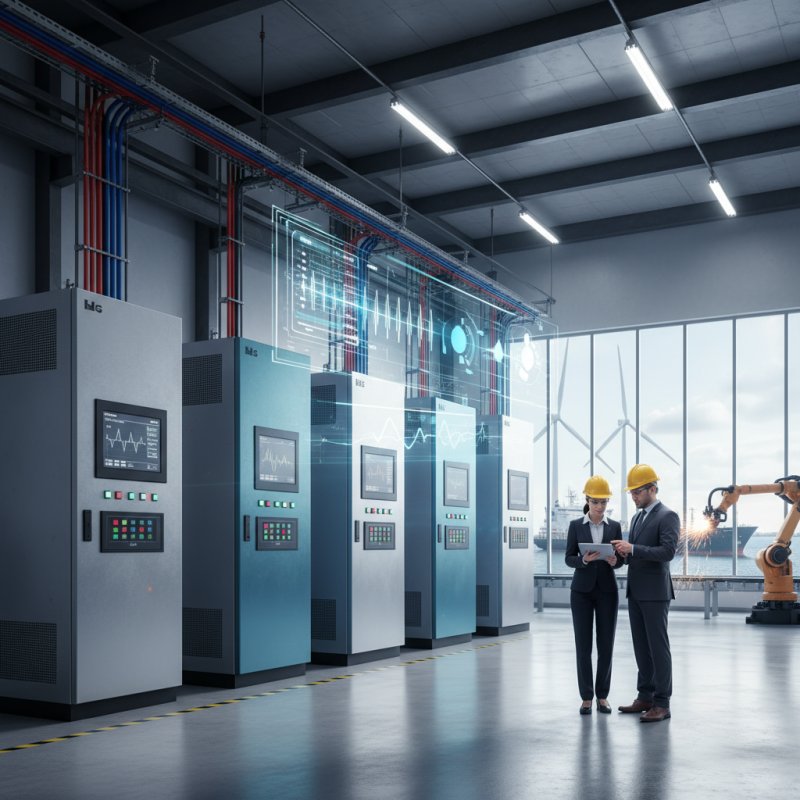
How to Choose the Right Static Frequency Converters for Your Needs?

Understanding Static Frequency Converters: Basics and Applications

Static frequency converters (SFCs) are essential in various industries. They convert the frequency of electrical power, facilitating equipment compatibility. Understanding the basic functions of SFCs can help in selecting the right device for your needs.

SFCs are commonly used in applications like motor drives and renewable energy systems. They allow for the smooth operation of equipment across different frequency ranges. For example, an SFC can help a 50 Hz machine run effectively in a 60 Hz zone. This makes SFCs invaluable in global operations.

Tips: Always assess your specific requirements. Evaluate the power range and frequency range your device needs to operate within. A mismatch can lead to inefficiencies. Consider future expansions as well. Selecting an SFC with a wider operating range may save costs down the line.

Not all SFCs are created equal. Some might offer features that aren't necessary for your application. It's crucial to focus on the aspect that matters most to your operations. Be wary of overspending on features that won't be utilized.
Static Frequency Converters - Application Distribution

Assessing Your Power Requirements for Frequency Conversion

Assessing your power requirements is crucial when selecting a static frequency converter. Understanding your specific needs helps ensure that you choose a solution that aligns with your operational goals. Start by identifying the type of equipment that requires frequency conversion. Different machines may have varying tolerances for voltage, load capacity, and power quality.

Next, consider the power rating of your equipment. Calculate both the total load and the starting load requirements. This measurement aids in determining the appropriate converter size. Underestimating your needs may lead to performance issues. It could cause equipment malfunctions or outages. On the other hand, overestimating might result in wasted energy and increased costs.

Evaluate the environment in which the converter will operate. Factors like temperature, humidity, and potential electrical interference can impact performance. It’s worth reflecting on past experiences. What challenges have you faced with previous converters? Addressing these questions will not only guide your choice but also enhance operational efficiency. Balancing these considerations will lead you towards making an informed decision that suits your frequency conversion needs.

How to Choose the Right Static Frequency Converters for Your Needs? - Assessing Your Power Requirements for Frequency Conversion

Power Rating (kW) Input Voltage (V) Output Frequency (Hz) Phase Type Efficiency (%) Features
10 400 50 Single Phase 95 Compact Design, Overload Protection
30 480 60 Three Phase 97 Remote Monitoring, High Reliability
50 380 50 Single Phase 94 User-Friendly Interface, High Precision
100 600 50 Three Phase 96 Robust Construction, Easy Maintenance

Evaluating Different Types of Static Frequency Converters

When selecting a static frequency converter, understanding the different types available is crucial. These converters can be categorized mainly into rotary and static types. Rotary converters are often large and more complex. They are typically used in industrial applications for higher power requirements. On the other hand, static frequency converters are more compact and can be more efficient in specific situations.

Another aspect to consider is the output frequency. Some applications may require a fixed output frequency, while others might need variable frequency options for better speed control. Evaluating the system's sensitivity to frequency fluctuations is vital. For example, a small change in frequency can cause significant disruptions in sensitive equipment, which should not be overlooked.

It's also essential to assess the installation environment. Some converters work better in clean, controlled settings. Others might be designed to handle harsher conditions, such as high humidity or dust. The level of expertise in managing these devices should also factor into your decision. Inadequate knowledge can lead to poor performance and even damage. Each type has its own advantages and limitations, and careful consideration of these factors is vital.

Key Features to Consider When Choosing a Converter

When selecting a static frequency converter, consider several key features essential for optimal performance. Power rating is crucial. This determines how well a converter can handle load requirements. Look for converters that match or exceed the power rating of your equipment. An inadequate power rating can lead to issues, such as reduced efficiency.

Another important feature is the type of output waveform. Pure sine wave output is often preferred for sensitive electronics. Distorted waveforms can damage equipment over time. Additionally, check for adjustable frequency settings. This flexibility allows adaptation to various applications. It is essential for meeting fluctuating demands.

Cooling methods also matter. Adequate cooling ensures longevity and reliability. Active cooling systems are more efficient but increase maintenance demands. Passive cooling, while less complex, may not suit high-power applications. Lastly, consider the size and weight of the converter. A compact design can save space but may compromise features. Balancing these factors is vital for selecting the right converter. Addressing these considerations thoughtfully will lead to better outcomes.

Maintenance and Support Options for Static Frequency Converters

When selecting static frequency converters, maintenance and support can significantly impact your equipment's longevity and efficiency. Maintenance ensures that converters operate optimally and reduces the likelihood of costly failures. Regular checks like inspections and performance evaluations help catch potential issues early. Keeping a maintenance log can also be beneficial for tracking performance trends over time.

Support options are equally important. A solid support structure means you have access to expertise when problems arise. Some providers offer 24/7 support to address urgent concerns. This can minimize downtime and keep operations running smoothly. Look for options that include training for your staff, ensuring they understand the systems thoroughly.

However, not all support options are created equal. Some may offer limited service hours or lack technical depth. It's essential to evaluate these aspects carefully. Feedback from existing users can provide insights into the reliability of different maintenance and support services. Making informed decisions in this area can lead to better performance and avoid regret later on.

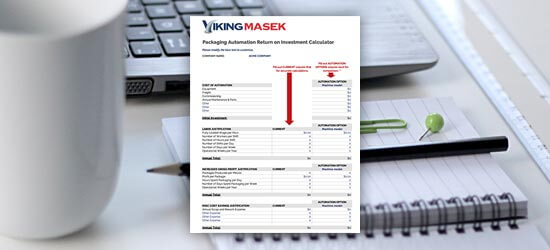
Packaging machine ROI calculator

Need help figuring out if packaging automation is right for your business?


First, start with the numbers. Download our free packing machine ROI calculator to learn how long it will take for an investment in automation to pay for itself (and much more).


Free packaging automation ROI calculator