


How to Choose the Best Aluminum Casement Window?

Choosing the best Aluminum Casement Window is not simply a matter of frame color or opening size. It involves thermal performance, air control, glass selection, hardware quality, installation, and long-term maintenance. A slim frame may look elegant, yet poor seals can create cold drafts beside the sofa.

The U.S. Department of Energy reports that windows can account for approximately 25% to 30% of residential heating and cooling energy use. That figure makes window selection a practical energy decision, not merely a design preference. Meanwhile, the Fenestration and Glazing Industry Alliance emphasizes tested performance through standards covering air leakage, water penetration, structural strength, and operation. These details matter when rain hits the sash or strong wind presses against the frame.

“Windows are holes in walls,” says building-science expert Joseph Lstiburek of Building Science Corporation. The statement sounds blunt. It is useful. Even a high-performing Aluminum Casement Window cannot correct a weak installation or an unsuitable wall connection.

This guide examines frame alloys, thermal breaks, glazing, U-factor, solar heat gain coefficient, security hardware, and drainage design. It also considers climate and building orientation. A south-facing window needs different glass from a shaded northern opening. Product labels can be confusing. Marketing claims are not always comparable.

Some recommendations may still require judgment. A lower U-factor is valuable, but it may reduce useful winter sunlight. The “best” window is therefore not universal. It is the window that balances verified performance, climate needs, budget, appearance, and competent installation.
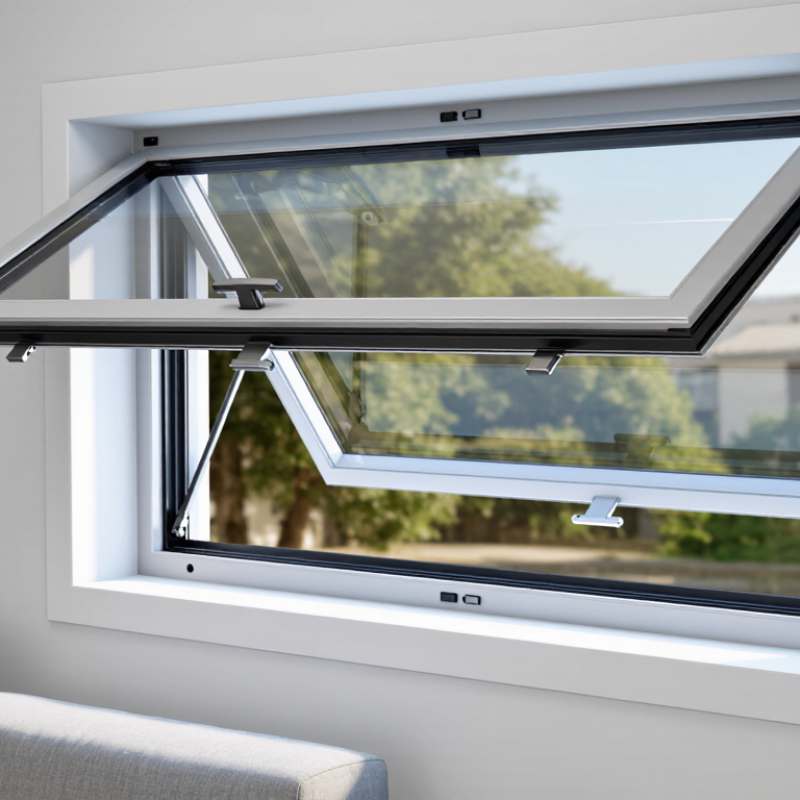
How to Choose the Best Aluminum Casement Window?

Define Your Window Requirements and Installation Conditions

Before choosing an aluminum casement window, define the opening precisely. Record width, height, wall depth, sill height, and room function. Check whether the window faces harsh sun, driving rain, or prevailing wind. A south-facing opening may need a lower solar heat gain coefficient. A shaded opening may benefit from more daylight.

Your climate matters more than appearance. The U.S. Department of Energy estimates that windows account for 25–30% of residential heating and cooling energy use. Therefore, compare U-factor and solar heat gain coefficient on the NFRC label. Lower U-factor generally reduces heat transfer. However, lower is not automatically better in every climate. In cold regions, useful winter solar gain can matter.

Installation conditions deserve equal attention. Confirm the rough opening is square, stable, and free from moisture damage. Leave the required clearance for shimming and movement. Use sill pans, compatible flashing, and corrosion-resistant fasteners. The American Architectural Manufacturers Association stresses proper installation because product performance depends on the installed assembly, not the window alone. I have seen attractive units underperform after poor sill drainage.

Small details matter. Test the handle with gloves. Check that the sash clears curtains and furniture. Ask for air leakage, water resistance, and structural performance ratings. DOE research also warns that air leakage can undermine energy savings. A perfect specification is rare. Recheck every measurement before ordering.

Compare Aluminum Casement Window Frame Designs and Materials

How to Choose the Best Aluminum Casement Window?

When comparing aluminum casement windows, study the frame design before choosing color or hardware. A narrow sightline brings more daylight but leaves less space for insulation. Thermally broken frames use a polyamide barrier between the inner and outer aluminum sections. This barrier reduces heat transfer across the frame. The U.S. Department of Energy reports that replacing single-pane windows with efficient units can reduce household energy use by about 7–15%. Numbers matter. Ask for the whole-window U-factor, not only the glass value.

Frame materials also deserve a closer look. Standard aluminum is strong, slim, and resistant to warping, but it conducts heat quickly. Improved designs add thermal breaks, insulated chambers, or composite reinforcement. Hybrid frames may improve comfort, although they can increase cost and reduce the visible aluminum surface. A 2023 report from the International Aluminium Institute states that recycled aluminum requires roughly 5% of the energy used for primary aluminum production. That supports a lower-impact material choice, but recycled content should be verified.

Installation can change the result.

A well-designed frame may still perform poorly if the sill is uneven or the perimeter seal is weak. The National Fenestration Rating Council recommends comparing certified U-factor, solar heat gain coefficient, and air-leakage ratings. In hot climates, lower solar gain may matter most. In colder regions, insulation and airtightness usually deserve priority. I would not choose the thinnest frame automatically. My first assumption was that slimmer always looked better, but condensation risk and maintenance details can matter more.

How to Choose the Best Aluminum Casement Window? – Compare Aluminum Casement Window Frame Designs and Materials
Frame Design or Material Thermal Performance Typical Frame Depth Visible Sightline Durability and Maintenance Best-Suited Applications Main Considerations
Non-Thermally Broken Aluminum Low to moderate insulation. The metal frame creates a direct heat path between the interior and exterior. Approximately 45–65 mm Commonly 50–80 mm, depending on the profile and hardware. Strong, lightweight, corrosion-resistant when properly finished, and generally low-maintenance. Unconditioned spaces, mild climates, garages, utility rooms, and projects where initial cost is the primary concern. More likely to transfer heat and may develop interior condensation in cold conditions. It is usually less suitable for highly energy-efficient buildings.
Thermally Broken Aluminum Moderate to high insulation. A polyamide thermal barrier separates the interior and exterior aluminum sections and reduces heat transfer. Approximately 55–85 mm Typically 55–90 mm, depending on the thermal barrier and reinforcement design. Excellent structural strength and weather resistance with minimal routine maintenance. Residential buildings, offices, apartments, and most heating or cooling climates. Usually costs more than non-thermally broken aluminum, but offers better comfort and condensation control. Look for verified whole-window U-factor data.
High-Performance Thermally Broken Aluminum High insulation when combined with wide thermal barriers, insulated glazing, warm-edge spacers, and effective seals. Approximately 70–100 mm Often 65–100 mm, because deeper profiles are used for larger barriers and thicker glazing. Very durable and suitable for demanding weather exposure; finishes still require periodic cleaning and inspection. Cold climates, hot climates, passive-house-oriented designs, high-rise façades, and large glazed openings. Frame performance alone is not enough. Glazing, spacers, seals, installation quality, and drainage design strongly affect the final result.
Narrow-Sightline Casement Frame Can range from moderate to high, depending on whether the narrow profile includes a thermal barrier. Approximately 45–75 mm Often 35–55 mm, providing a larger glass area and a slimmer appearance. Aluminum provides good rigidity for slim profiles, but hardware and reinforcement must be selected for the sash size and weight. Modern homes, daylight-focused rooms, architectural renovations, and designs requiring a minimal frame appearance. Narrow profiles may have lower hardware capacity or glazing limits. Confirm maximum sash dimensions, glass weight, and air-tightness ratings.
Flush Casement Frame Moderate to high when built with thermal breaks and insulated glazing. Approximately 55–85 mm Usually 55–90 mm, with the sash and frame aligned on the exterior or interior face. Smooth exterior surfaces are easy to clean and can provide a contemporary appearance. Contemporary façades, minimalist elevations, and projects where a level exterior appearance is preferred. Check water drainage paths carefully because a flush appearance must still maintain reliable weather shedding and ventilation.
Rebated or Overlapping Casement Frame Moderate to high, depending on the thermal break, seals, and glazing system. Approximately 55–90 mm Commonly 60–100 mm, generally wider than a narrow-sightline design. Overlapping seals can improve weather resistance when correctly compressed and maintained. Wind-exposed locations, replacement windows, and projects prioritizing robust weather sealing. The larger frame profile may reduce the visible glass area. Seal compression and corner fabrication quality are important for long-term performance.
Aluminum Alloy Frame Aluminum alloy is structurally efficient but naturally conductive; thermal performance depends primarily on the profile design and thermal barrier. Varies by system; commonly 45–100 mm Varies by system; commonly 35–100 mm High strength-to-weight ratio, resistance to rot and insects, and low repainting requirements when factory-finished. Most casement window applications, especially where slim profiles and long service life are desired. Ask for the alloy designation, finish specification, coating thickness, and test documentation rather than judging quality by appearance alone.
Aluminum-Clad Wood Frame Wood provides lower thermal conductivity than aluminum, while the exterior aluminum cladding improves weather protection. Approximately 70–110 mm Typically 65–110 mm Exterior aluminum reduces exposure to weather; interior wood may require periodic cleaning, refinishing, or humidity control. Traditional interiors, premium residential projects, and buildings that require a warm interior finish with a durable exterior. Usually heavier and more expensive than an all-aluminum frame. Moisture management and high-quality junctions between wood and aluminum are essential.
Aluminum Frame with Double Glazing Moderate to high when paired with a thermally broken frame, low-emissivity coating, argon fill, and warm-edge spacer. Depends on the selected frame system Depends on the selected frame system and glazing bead. Good general-purpose durability with a lower weight than many triple-glazed units. Moderate climates, renovations, and projects balancing energy performance, weight, and cost. Performance varies widely. Compare the complete window U-factor and solar heat gain coefficient, not glass-center values alone.
Aluminum Frame with Triple Glazing High potential insulation and improved interior surface temperature, especially with a thermally broken frame. Often 70–100 mm or more Often slightly wider because the frame must accommodate a deeper glazing unit. Durable, but the heavier glass requires appropriately rated hinges, restrictors, and reinforcement. Cold climates, noise-sensitive locations, and high-performance building envelopes. Higher weight and cost can require stronger hardware and installation support. Solar gain and ventilation requirements should be reviewed.
Selection Checklist For a reliable comparison, request independently tested whole-window values for U-factor, air leakage, water penetration, wind resistance, and sound performance. Also confirm the opening size, glazing thickness, hardware load rating, drainage design, finish warranty, and installation method. Typical dimensions above are indicative ranges rather than universal standards; actual values vary by window system, local regulations, glass specification, and manufacturer testing.

Evaluate Glass Options, Energy Efficiency, and Weather Performance

Choosing the best aluminum casement window starts with the glass, not the frame.

Double glazing can reduce heat transfer and outside noise. In colder regions, select low-emissivity glass with a low U-value. In sunny climates, a suitable solar heat gain coefficient can limit unwanted indoor heat. Clear glass may look attractive, but it can increase glare and cooling demand. Small details matter.

Weather performance depends on more than strong aluminum sections.

Check tested air leakage, water resistance, and wind-load ratings. A reliable window should close evenly, compress its seals, and resist water during heavy rain. Proper installation is equally important. Even excellent glass can fail when flashing, drainage, or perimeter sealing is poor. I once underestimated installation quality, and the resulting draft was more noticeable than expected. That was a useful reminder: product specifications need practical verification.

Tips:

Compare the whole window’s U-value, not only the center-glass rating. Ask for independent test reports when available. Inspect hardware movement before ordering. Choose thermal breaks for improved insulation, but remember that they do not replace careful installation. Consider laminated glass near busy roads or exposed areas. If indoor comfort matters, evaluate morning sun, afternoon heat, and winter wind separately. A small sample corner can reveal frame quality, gasket fit, and finish consistency better than a brochure.

Check Hardware, Security Features, Maintenance Needs, and Durability

Choosing the best aluminum casement window starts with hardware, not showroom appearance. Turn the handle several times. It should move smoothly, without scraping or wobbling. Look for corrosion-resistant hinges, a firm locking handle, and seals that sit evenly. Multi-point locking hardware usually grips the frame at several locations. That matters on wide sashes. Ask how the hinges support the sash over time. Some fittings feel solid during installation but loosen after repeated use. I have learned that a quiet, controlled closing action often reveals better fitting than a polished display sample.

Security features should be practical, not merely impressive. Check whether the locks resist easy forced movement and whether the frame remains rigid under pressure. A secure casement window should include strong corner joints and properly fitted weather seals. Avoid choosing hardware only because it has many locking points. More parts can require more adjustment and create more opportunities for neglect. Security needs balance. Poor installation can weaken excellent components, so confirm that installers follow measured fixing points and inspect the finished frame.

Maintenance needs are easy to underestimate. Wipe tracks and drainage openings, clear dust from hinges, and inspect seals twice yearly. Do not force a stiff handle. Find the cause. Lubricate only where the hardware instructions allow it. Aluminum resists rot, but it can still suffer surface damage, loose fittings, and blocked drainage. Ask about finish testing, replacement parts, and expected service life. A small seal flaw may seem harmless today, yet it can invite drafts and moisture later. Local weather, cleaning habits, and installation quality can change real durability.

Verify Sizes, Certifications, Costs, and Professional Installation Requirements

How to Choose the Best Aluminum Casement Window?

Accurate sizing is the starting point. Measure the opening at least twice, across the top, middle, and bottom. Record width, height, wall depth, and any uneven corners. A small mistake can create drafts, water leaks, or expensive site adjustments. Ask the installer to confirm the final dimensions before production.

Certifications deserve careful checking. Look for documented air, water, structural, and thermal performance results. Requirements vary by location, so compare the window’s test reports with local building standards.

Do not rely on a sales claim alone. I have seen attractive windows fail because their drainage design was ignored. That experience changed how I review product details.

Tips:

Request an itemized quotation. Include glass, screens, hardware, delivery, old-window removal, flashing, sealing, and finishing work. The lowest price may exclude essential labor. Confirm whether professional installation is required for the warranty or performance rating. A qualified installer should inspect the opening, use compatible fasteners, and explain maintenance. Ask for a written installation scope. Small details matter. I still think installation estimates can be imperfect, especially in older buildings, so keep a reasonable contingency budget.

Packaging machine ROI calculator

Need help figuring out if packaging automation is right for your business?


First, start with the numbers. Download our free packing machine ROI calculator to learn how long it will take for an investment in automation to pay for itself (and much more).


Free packaging automation ROI calculator