How to Choose Plumber Tools in 2026?
Choosing the right Plumber Tools in 2026 requires more than comparing prices or counting pieces in a kit. Modern plumbing work combines traditional pipe repair with leak detection, compact access, water efficiency, and digital diagnostics. A reliable tool must fit the job, the workspace, and the technician’s level of control.
On real service calls, small details often matter. A basin wrench with a comfortable grip can save time beneath a crowded sink. A properly calibrated pressure gauge can prevent costly guesses. Battery tools also deserve careful attention, especially when a repair takes place in a basement without a nearby outlet. Durability, replacement parts, safety features, and manufacturer support should guide the decision.
Cheap tools can become expensive mistakes.
This guide examines how to choose Plumber Tools for residential maintenance, commercial work, and emergency repairs in 2026. It considers material quality, ergonomic design, compatibility, maintenance needs, and practical performance. Professional standards and manufacturer instructions remain essential, but they do not answer every field problem. A tool that performs well in a workshop may feel awkward inside a narrow cabinet. That difference is easy to overlook.
There is no perfect kit for every plumber. Experience changes priorities, and even experienced professionals sometimes buy tools they rarely use. Reviewing past jobs, common pipe materials, and working conditions creates a more honest starting point. The goal is not owning the most equipment. It is building a dependable selection that improves accuracy, reduces strain, and supports safe, professional results.
Define Your Plumbing Tasks and Tool Requirements
Choosing plumber tools in 2026 should begin with the work, not a shopping list. Start with the task. A leaking faucet needs different equipment from a blocked drain or a new pipe installation. Identify the pipe material, connection type, access space, and expected water pressure before choosing anything.
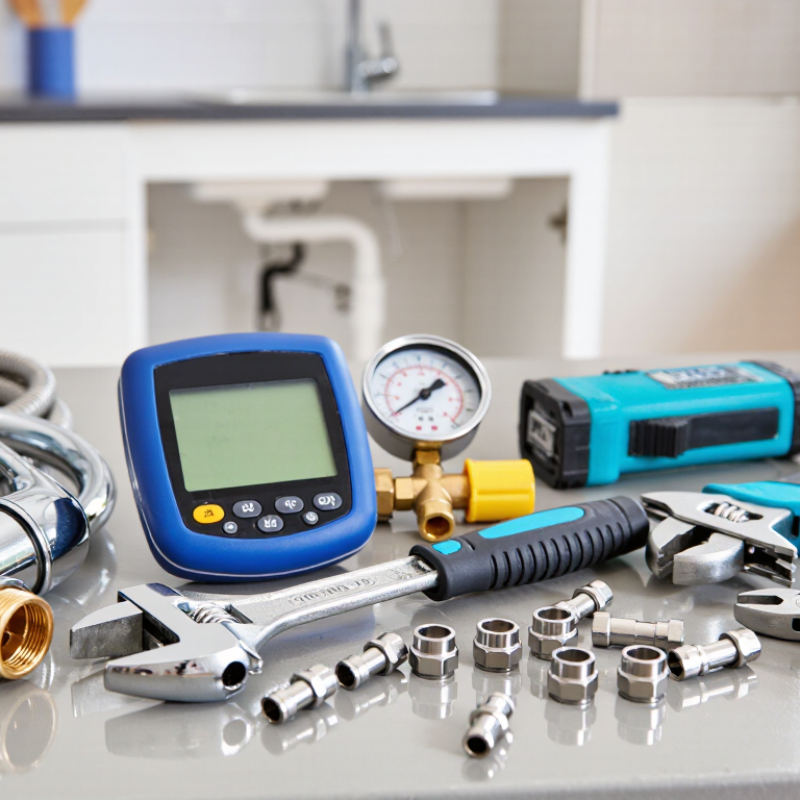
For routine repairs, prepare adjustable wrenches, basin wrenches, tubing cutters, a deburring tool, and several screwdriver sizes. Tight spaces may require compact handles or flexible extensions.
A drain problem may need a hand auger, inspection camera, or measuring tape with a locking blade. Do not ignore protective gloves, eye protection, and a small bucket. Water often appears where you least expect it.
Match each tool to the material and fitting. Excessive force can damage plastic threads, polished surfaces, or older metal connections. Experienced plumbers usually test movement gently before applying more pressure. Check that measuring tools show clear markings and that cutting tools close evenly. Poor alignment creates leaks later. I once underestimated the value of a bright work light; the repair looked simple until a hidden crack became visible.
Tool selection should also consider frequency, storage, and maintenance. A professional may need durable tools for daily use, while a homeowner may need fewer, more versatile options. Read technical instructions and verify compatibility with local plumbing requirements. Some choices still involve guesswork, especially in cramped older buildings. That is where careful inspection matters more than buying extra equipment. Keep tools clean, dry, and organized after every repair.
Learn the Essential Categories of Plumber Tools
How to Choose Plumber Tools in 2026?
The essential categories matter more than a crowded toolbox. Start with hand tools: adjustable wrenches, basin wrenches, pipe cutters, pliers, and hex keys. Choose tools with comfortable grips and clear size markings. A wrench that slips can damage a fitting or your knuckles. I have learned that balanced weight matters during long repairs, especially under a sink.
Pipe preparation tools deserve equal attention. Include deburring tools, thread gauges, reamers, measuring tapes, and a reliable level. Clean pipe edges help create tighter connections. Add sealing and joining supplies suited to the pipe material. Keep separate tools for plastic and metal work when possible. Cross-use can leave residue or cause poor fits.
Diagnostic tools now make troubleshooting faster. A moisture meter, inspection camera, pressure gauge, and non-contact thermometer can reveal hidden problems before walls are opened. Select models with readable displays and documented accuracy. Do not trust a digital reading blindly. Confirm unusual results with a second method. Safety tools belong in the same category: eye protection, cut-resistant gloves, knee pads, ventilation equipment, and a compact first-aid kit. Storage also matters. Label small parts and inspect worn jaws, cracked handles, and weak batteries before every job. My own mistake is carrying too many specialized tools and forgetting basic replacements. A practical kit should fit the work, the workspace, and your actual experience.
Compare Tool Quality, Materials, and Ergonomic Features
How to Choose Plumber Tools in 2026?
Tool quality starts with the job, not the packaging. Look for forged steel in load-bearing tools, because it usually resists bending better than cheaply cast metal. Chrome-vanadium steel offers useful hardness and toughness for adjustable wrenches and pliers. Stainless steel suits wet environments, but it is not automatically stronger. Check jaw alignment, hinge movement, and surface finishing by hand. Small defects become expensive problems.
The U.S. Bureau of Labor Statistics reported that overexertion and bodily reaction remained a leading source of workplace injuries in recent years. That finding matters when a wrench needs repeated force. Choose handles with rounded edges, stable grips, and enough length for controlled leverage. A non-slip surface helps, but very soft rubber can trap water and degrade. Ergonomic design is practical, not decorative.
Test the tool while wearing wet gloves. Awkward thumb pressure often appears then. A lighter tool may reduce fatigue, though excessive lightness can weaken leverage. I once favored maximum strength and ignored balance; my wrist paid for it. NIOSH guidance links force, repetition, and awkward posture with musculoskeletal risk. Still, no handle fixes poor technique. Check whether the tool fits the pipe, hand, and working space before buying.
Choose Tools Based on Budget, Job Frequency, and Compatibility
How to Choose Plumber Tools in 2026?
Choose Tools Based on Budget, Job Frequency, and Compatibility
A reliable tool set begins with your actual workload, not a glossy catalog. For occasional sink repairs, choose durable basics: adjustable wrenches, basin pliers, a tubing cutter, and a hand auger. Spending heavily on specialized equipment may leave money unused in a drawer. I learned this after buying a large drain machine for jobs that rarely needed it. That decision was practical on paper, but poor in daily use.
Frequent plumbers should calculate cost per job, not only purchase price. A stronger cutter can save minutes on every installation and reduce hand fatigue. Check replacement blades, service access, and warranty terms before paying more. Cheap tools can become expensive when jaws slip or measurements drift. Still, the highest price does not guarantee the best result. Test the grip, balance, and adjustment range whenever possible.
Compatibility deserves equal attention. Confirm pipe sizes, connection types, thread patterns, and available power sources. A tool may fit one system but damage another. Read technical specifications and follow current safety guidance. For powered equipment, check voltage, battery availability, and workspace conditions. Keep a simple record of failed tools and repeated tasks. It may reveal that your buying habits need correction. Mine did. A compact inspection camera seemed unnecessary until hidden leaks began consuming hours.