How to Choose the Best Pouch Filling Machine in China?
Choosing the right Pouch Filling Machine in China is not simply a price comparison. It is a process decision.
The machine must match your pouch material, product viscosity, filling volume, sealing method, and expected output. A powder, liquid, sauce, and granule each behave differently inside the filling system. Small details matter. A narrow seal area, unstable film, or uneven feeding can create costly rejects.
Packaging machinery consultant John R. Henry once observed, “The best machine is not always the fastest machine; it is the one that fits the product and the process.” This principle deserves attention when comparing Chinese manufacturers. A machine producing 100 pouches per minute may be unsuitable if its accuracy falls during long production runs.
Look beyond the brochure. Ask for product trials using your actual pouch film and ingredients. Examine seal strength, dosing accuracy, changeover time, cleaning access, and rejected pouch rates. Request videos from a working factory, not only polished demonstrations. Check electrical standards, spare-parts availability, software support, and technician response times.
The lowest quotation can become expensive.
A reliable supplier should explain limitations clearly. That honesty is valuable. Still, buyers sometimes overlook installation conditions, operator training, or future product changes. I have seen specifications appear convincing until the first material test exposes feeding problems.
This guide will compare machine structures, dosing technologies, supplier capabilities, inspection methods, and ownership costs. It will also raise practical questions that buyers may prefer to avoid. No Pouch Filling Machine is perfect for every application. The best choice is the one that performs consistently, remains serviceable, and supports your production reality in China and beyond.
What Is a Pouch Filling Machine and How Does It Work?
How to Choose the Best Pouch Filling Machine in China?
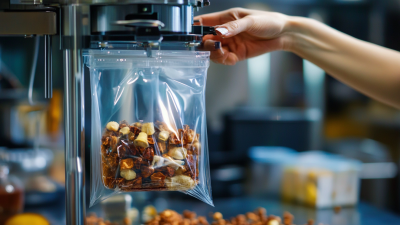
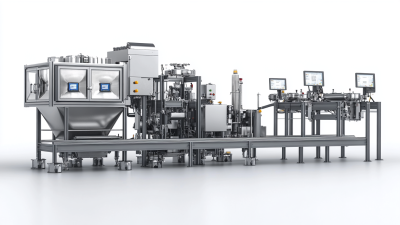
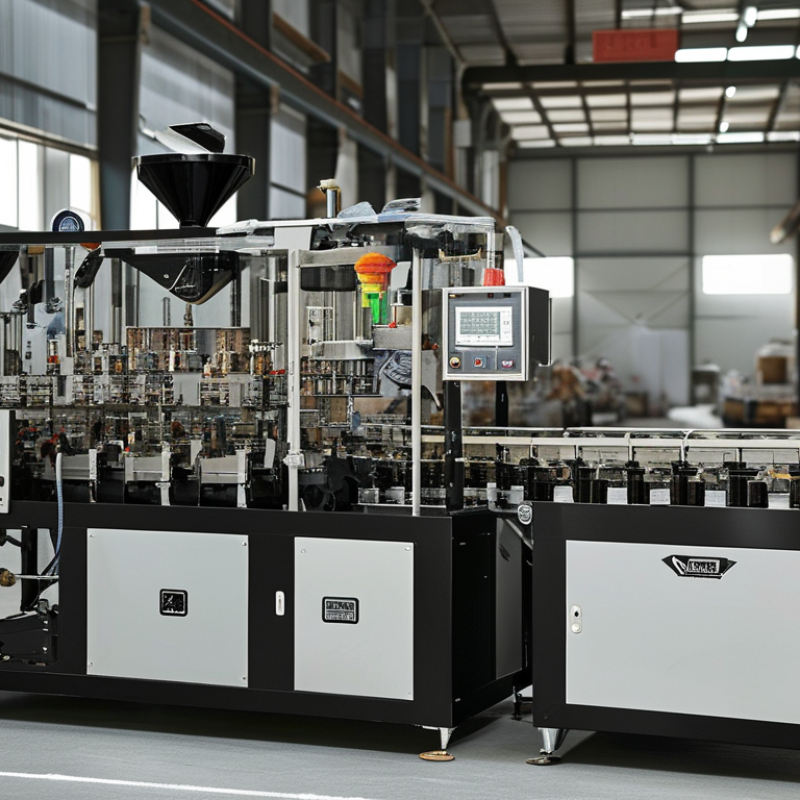
A pouch filling machine measures products, opens or receives pouches, fills them, and seals them. Its purpose sounds simple. The working cycle is not. A typical machine unwinds film or handles premade pouches. It then forms, fills, seals, cuts, and checks each package. Filling systems vary by product. Auger fillers suit powders, while pumps handle liquids. Multihead weighers often serve snacks or other free-flowing products. The correct system depends on density, viscosity, particle size, and target weight.
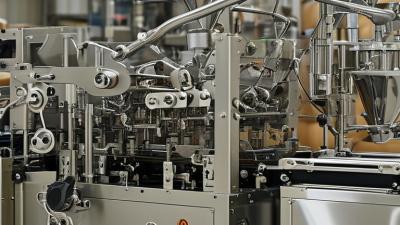
When choosing equipment in China, examine construction details closely. Stainless steel contact parts should be easy to clean and resistant to corrosion. Servo-driven systems can improve filling accuracy and reduce wasted film. Sensors should detect missing pouches, weak seals, and empty product hoppers. Ask for a factory test using your actual material and pouch film. A short demonstration can hide problems. In real production, dust, temperature changes, and uneven product flow may reduce performance. That possibility deserves honest discussion.
Tips: Request recorded accuracy data, not only attractive samples. Check changeover time between pouch sizes. Confirm electrical specifications, documentation, spare parts, and remote support. Ask who will train your operators. A lower purchase price may create higher maintenance costs later. Also inspect the sealing area after repeated cycles. Small wrinkles can become serious leaks. No machine is perfect, and your production conditions may expose weaknesses that a showroom cannot.
Which Pouch Filling Machine Type Fits Your Product?
Choosing the right pouch filling machine in China starts with your product, not the machine’s appearance. Liquids need different systems from powders or granules. Thin sauces may suit piston or flow-meter filling. Thick cream usually needs a stronger piston pump and heated hopper. Free-flowing rice or snacks often require a multihead weigher. Fine powder may need an auger filler with dust control.
Pouch style also changes the decision. Premade pouches offer flexible shapes and attractive presentation. Roll film systems can reduce packaging costs at higher volumes. However, they may require more adjustment during setup. Check your target pouch size, seal width, filling speed, and material structure. A machine that fills 60 pouches per minute in testing may run slower with sticky products. That difference matters. Product testing is essential, yet some buyers still rely too heavily on brochures.
Tips: Send real product samples before choosing. Test the smallest and largest pouch sizes. Ask for filling accuracy records, cleaning procedures, and food-contact material certificates. Stainless steel 304 may suit many products, while corrosive ingredients could require 316 in key contact areas. Inspect the factory’s assembly quality and spare-parts process. A clear video call helps, but an on-site inspection is stronger evidence. Keep a small tolerance allowance, because real production is rarely perfect.
How to Match Machine Features With Production Requirements
How to Choose the Best Pouch Filling Machine in China?
Matching machine features with production requirements is more important than choosing the fastest model. Start with your pouch size, product texture, filling range, and daily output. A powder may need an auger system, while sauces often require piston or pump filling. Granules can demand a different dosing method.
Check the machine during a real production trial. Watch pouch alignment, sealing pressure, filling accuracy, and changeover time. Ask for records from similar applications, not only attractive performance claims. Food-contact parts should use suitable materials, and electrical systems should meet the safety rules required in your market. I have seen machines perform well in testing but struggle with sticky products. That detail is easy to miss.
Tips: List your smallest and largest pouch sizes. Measure the product’s flow behavior. Confirm cleaning access before ordering. Keep a spare-parts plan. A machine with simple adjustments may outperform a faster, more complicated unit on a busy factory floor. Leave room for future capacity, but do not pay for features your operators will never use. Some specifications look impressive. They may not improve your actual line. Evaluate waste, downtime, training needs, and sealing consistency together.
What Should You Check in a Chinese Machine Supplier?
Choosing a pouch filling machine in China starts with checking the supplier, not the brochure.
Ask whether the factory builds machines in-house or outsources critical assemblies. Request a live video inspection of the workshop, wiring area, and testing zone. Look for labeled cables, clean pneumatic lines, and documented inspection points. A polished showroom is not enough. Ask for the production schedule and the engineers responsible for your project. This reveals practical capacity.
Review technical fit with exact samples of your pouch, product, filling range, and target speed. A serious supplier should run a sample test and share measured results, including weight variation, seal temperature, and rejected pouches. Request a factory acceptance test before shipment. Record agreed settings in a signed checklist. Check contact parts, frame materials, sensors, and software access. Ask which components are locally sourced and which require long lead times.
Small details matter.
Reliability also depends on service after installation. Confirm response times, remote support, spare-parts lists, training hours, and warranty exclusions. Ask for references from buyers using similar pouch formats, then verify them independently. Review certificates and safety documents carefully; a copied file is a warning sign. Clear contracts should define delivery, acceptance, performance, and responsibilities. Do not judge by the lowest quotation alone. I have seen low prices hide missing tooling and costly commissioning. Suppliers can make mistakes, so ask how they record, correct, and prevent repeat failures.
That answer matters.
How to Compare Costs, Quality, Service, and Long-Term Value
Choosing a pouch filling machine in China requires more than comparing purchase prices. Grand View Research valued the global pouch packaging market at USD 46.74 billion in 2022, with a projected 5.9% CAGR from 2023 to 2030. This growth increases supplier choices, but also increases quality differences. Request documented output rates, filling accuracy, seal integrity, and changeover times. A machine promising 60 pouches per minute may deliver less with viscous products or frequent size changes.
Look beyond the quotation. Calculate total cost of ownership over five years, including electricity, compressed air, spare parts, labor, maintenance, and production losses. PMMI industry reports repeatedly identify labor availability and automation as major packaging pressures. Ask for remote diagnostics, training hours, spare-parts response times, and service coverage in your region. A lower-cost machine can become expensive when one sensor delays production for three days.
Quality evidence should be practical. Require a factory acceptance test using your actual pouch film and product. Check weld samples under magnification, inspect electrical documentation, and review calibration records. ISO 9001 certification supports process control, but it does not guarantee machine performance. That distinction matters. I would also request two references with similar pouch sizes and materials. Supplier promises are useful, yet production data is stronger. Do not ignore uncomfortable findings, such as inconsistent trial results or vague warranty exclusions.