


How to Choose the Best PVC Tarpaulin for Your Needs?

Choosing the right PVC Tarpaulin is crucial for various applications. In industries such as construction, agriculture, and advertising, the demand for durable tarpaulin is on the rise. According to a recent market analysis, the global tarpaulin market is projected to grow by 4.2% from 2021 to 2028. This growth reflects an increased focus on quality materials.

When selecting a PVC Tarpaulin, consider factors like weight, thickness, and UV resistance. A heavier and thicker tarp often offers better durability and protection against harsh weather. For example, a 650g/m² PVC Tarpaulin may withstand heavier winds and rain than a lighter alternative. Users often overlook these details, leading to dissatisfaction down the line.

Price is another significant factor. While cheaper options are tempting, they may not provide the necessary longevity. Investing in a quality PVC Tarpaulin can save costs in the long run. Know your specific needs to avoid common pitfalls like size mismatches or inadequate features. Take the time to evaluate your options for the best outcome.
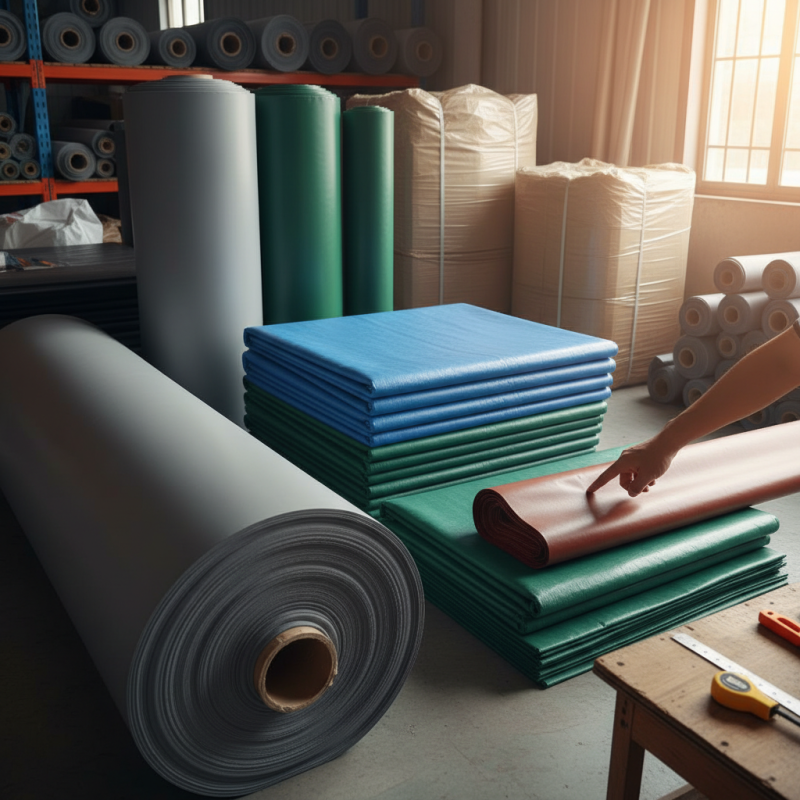
How to Choose the Best PVC Tarpaulin for Your Needs?

Understanding PVC Tarpaulin Types: Material Composition and Uses

When choosing a PVC tarpaulin, understanding its types is vital. PVC tarpaulins can vary in material composition and performance. Common types include reinforced, Laminated, and coated options. Reinforced tarpaulins have enhanced strength, making them ideal for heavy-duty use. However, they can be heavier and less flexible, which might not suit every situation.

On the other hand, laminated tarpaulins are lighter and more versatile. They come in various colors, adding a touch of style. Yet, they may lack the durability needed for extreme weather conditions.

Coated tarpaulins offer water resistance, but they could be prone to wear over time. Think about where and how you will use the tarpaulin. The environment matters; high UV exposure can degrade some materials faster.

Selection comes with challenges. It is easy to get overwhelmed by options. The perfect choice for one task may not apply to another. Budget is also a factor. Higher quality often means a higher price. Weigh these considerations carefully. A hasty decision may lead to dissatisfaction in the long run. Reflecting on your specific needs will guide you toward the right choice.
Evaluating Durability: Factors Affecting PVC Tarpaulin Lifespan

When assessing the durability of PVC tarpaulin, several factors come into play. The thickness of the material is crucial. Thicker tarpaulins generally offer better resistance to tearing and wear. For example, a 680g/m² tarpaulin can withstand harsh conditions better than a lighter alternative. Weather resistance is another significant factor. UV rays, rain, and temperature fluctuations can degrade the material over time. Ensuring the tarpaulin has UV protection can extend its lifespan notably.

The quality of the manufacturing process also impacts durability. A poorly constructed tarpaulin may show signs of wear much sooner than expected. Look for reinforced edges and seams. These details can prevent fraying and ripping. Additionally, considering the intended use is vital. A tarpaulin used for heavy-duty applications will need different characteristics than one meant for casual covering. Regular maintenance, such as proper cleaning and storage, can also make a difference. Over time, neglect can lead to deterioration, regardless of the initial quality.

Understanding these elements requires thoughtful evaluation. It can be tempting to choose based solely on price. However, a low-cost option may lead to frustration and frequent replacements. Reflect on how the tarpaulin will be used, and weigh the long-term benefits against initial costs. Proper research will yield a more informed decision.

Key Considerations for Thickness: Measuring and Selecting the Right Gauge

When choosing the right PVC tarpaulin, thickness plays a critical role. The gauge often defines durability and application suitability. For instance, a standard thickness for general use is around 0.5 mm. But for heavier-duty applications, such as truck covers or industrial uses, a thickness of 0.7 mm or more is recommended. Data from industry reports indicate that a thickness increase can enhance the tarpaulin's tear strength and UV resistance.

Measuring the gauge requires knowledge. Many manufacturers measure thickness in millimeters, but some use mils, where 1 mil equals 0.0254 mm. Confusion can arise if you do not clarify the measurement system. A miscalculation here can lead to purchasing a product that does not meet your needs. Furthermore, depending on the intended use, selecting the wrong thickness could result in premature wear or damage, leading to safety concerns.

Consider environmental factors as well. Thicker tarpaulins may withstand harsh weather conditions better than thinner ones. Reports suggest that PVC tarpaulins used in extreme climates should ideally be over 0.6 mm. However, going too thick may make the material less flexible. Balancing durability with flexibility is essential. Ultimately, your choice should reflect both the specific demands of your application and environmental factors.

Thickness Comparison of PVC Tarpaulin

Assessing Weather Resistance: UV Protection and Water Repellency Standards

When selecting a PVC tarpaulin, weather resistance is crucial. Two key factors to consider are UV protection and water repellency. According to industry reports, UV exposure can degrade materials quickly. A good tarpaulin should have a UV rating of at least 30 UPF to ensure longevity. Lower ratings mean higher chances of damage under direct sunlight.

Water repellency is equally important. Standards vary, but a tarpaulin should ideally have a hydrostatic head rating of at least 2000mm. This rating indicates how resistant the material is to water penetration. A tarpaulin with a lower rating may allow moisture to seep through, which could lead to mold and mildew.

Tips to remember: Always check product specifications before purchasing. Look for user reviews and testimonials about performance in harsh weather. If you encounter a seemingly good option, ask about its durability in lengthy exposure sessions. Consider your specific needs—will it encounter heavy rain or direct sunlight regularly? Evaluating these details can dramatically affect your choice and satisfaction with the product.

Cost vs. Quality: Analyzing Price Ranges in the PVC Tarpaulin Market

When selecting the right PVC tarpaulin, understanding the balance between cost and quality is essential. Prices can vary significantly in the market, often influenced by the material's thickness, durability, and intended use. Lower-priced options might save money upfront but could lead to higher long-term expenses. Their life span may be shorter, requiring you to replace them more frequently. This trade-off is crucial to consider.

Tips: Always check the weight of the tarpaulin. A heavier option typically indicates better quality. Consider how you intend to use the tarpaulin. Will it be exposed to harsh weather? If so, investing in a high-quality, durable choice is wise. Sometimes, spending a bit more initially pays off later.

Size and application matter, too. A larger tarpaulin may seem expensive, but for your needs, it could be the most cost-effective solution. Compare features like UV resistance and water impermeability. Avoid rushing the decision. Take the time to evaluate the specifics. Not every low-cost option is a good deal; some may lead to regrets. Reflect on your choices to ensure they align with your expectations.

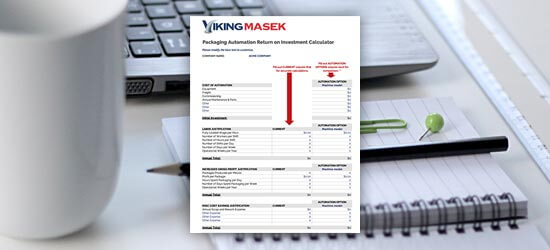
Packaging machine ROI calculator

Need help figuring out if packaging automation is right for your business?


First, start with the numbers. Download our free packing machine ROI calculator to learn how long it will take for an investment in automation to pay for itself (and much more).


Free packaging automation ROI calculator