


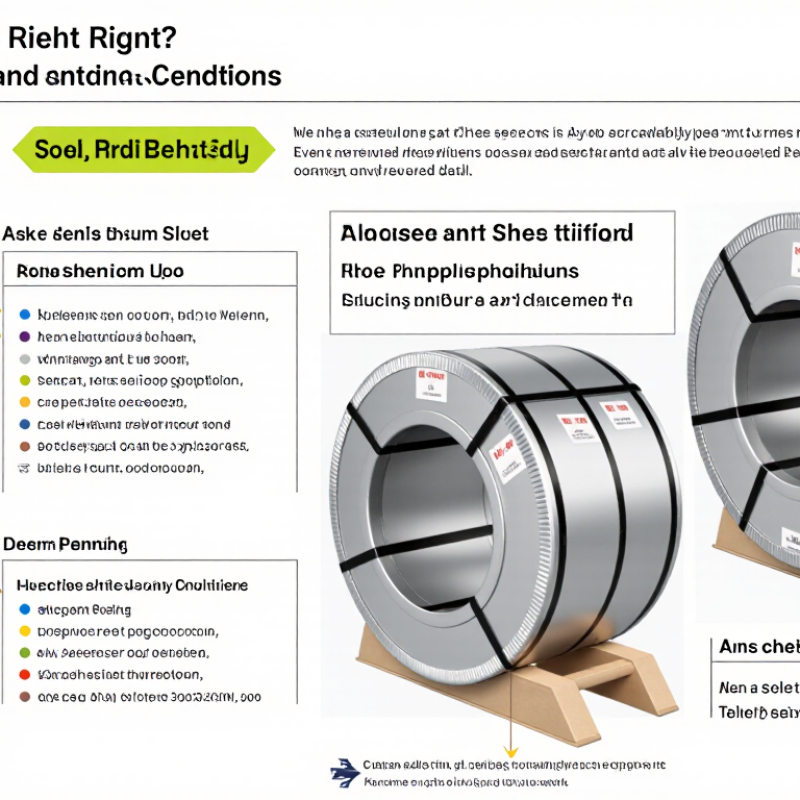
How to Choose the Right Aluminium Coil Sheet?

Choosing the right Aluminium Coil Sheet starts with the job it must do, not a product label. A roofing panel exposed to rain and sunlight needs different properties from a coil destined for indoor trim. Begin with the application, expected service conditions, and forming process. Then compare alloy, temper, thickness, width, and surface finish. These details affect strength, flexibility, appearance, and fabrication performance. Small differences matter. A sheet that bends cleanly in a sample may behave differently on a faster production line.

Ask suppliers for technical data, coating details, tolerances, and inspection records. Check that the stated alloy and temper match your requirements, and confirm whether the finish suits painting, printing, or exposed use. If corrosion resistance is important, consider the actual environment, including moisture and contact with other materials. A specification sheet helps, but it cannot answer every practical question. Request a sample when possible, and test it using the intended cutting or forming method. Not every buyer has time for that. Still, skipping the check can lead to scrap, delays, or a finish that disappoints. Compare quotes on equivalent specifications rather than price alone. Delivery consistency and clear documentation count too. The right choice is rarely the thickest or most expensive option; it is the sheet that reliably fits the product, process, and conditions. Even a careful selection can need revision after real production reveals an overlooked detail.

How to Choose the Right Aluminium Coil Sheet?

Identify the Application and Required Performance

Begin with the part’s actual job, not just a catalog description. An exterior panel faces rain, sunlight, wind, and changing temperatures. A formed enclosure may need clean bends and a durable finish. Heat-transfer components have different priorities, including conductivity and dimensional stability. Details matter. Note where the sheet will be installed, how it will be shaped, and what it will contact during use.

Then define the performance requirements in measurable terms. Consider alloy and temper, thickness, strength, corrosion resistance, surface appearance, and forming limits. A harder temper may resist dents but can crack during a tight bend. A softer sheet may form more easily, yet need extra support. These are trade-offs, not simple upgrades. Check supplier data for the exact grade and temper, then compare it with the part’s operating conditions. If the design includes tight radii or cut edges exposed to moisture, test a sample using the real forming process. Test a sample. It is easy to choose by price or strength alone; I would still question whether those numbers match the finished part. A small trial can reveal springback, marking, or edge problems before they appear across a full production run.
Compare Aluminium Alloy Grades and Tempers

How to Choose the Right Aluminium Coil Sheet?

Compare Aluminium Alloy Grades and Tempers

Alloy and temper determine how an aluminium coil performs during forming, welding, and service. The Aluminum Association’s Aluminum Standards and Data lists typical mechanical-property requirements that show the practical gap between common choices. For example, 3003-H14 has a minimum tensile strength near 140 MPa, while 5052-H32 is around 228 MPa. 6061-T6 can reach about 290 MPa. These are reference values, not guarantees for every thickness; check the applicable specification and supplier test certificate.

For a curved cover or formed trim, 3003-H14 offers useful formability and moderate strength. 5052-H32 suits parts needing stronger corrosion resistance, including many marine-adjacent applications. 6061-T6 provides higher strength, but its lower formability can make tight bends crack-prone. Temper matters. “H” tempers are strain-hardened; “T” tempers are heat-treated. ASTM B209 and the Aluminum Association tables provide a sound starting point, but verify the exact alloy, temper, thickness, and minimum properties before ordering. A small bend trial can reveal problems that a datasheet cannot. I would not choose by strength alone; the right temper still depends on the tool radius and forming direction.

How to Choose the Right Aluminium Coil Sheet?

Compare representative minimum tensile strength values for common alloy grades and tempers.

Higher tensile strength can suit applications requiring greater strength, while lower-strength alloys may be easier to form. These representative values are in MPa; actual requirements vary by product thickness and applicable material specification. Consider corrosion resistance, formability, joining, and intended use when selecting a coil sheet.

Choose Coil Thickness, Width, and Surface Finish

How to Choose the Right Aluminium Coil Sheet?

Choose Coil Thickness, Width, and Surface Finish

Start with the load, forming method, and available equipment—not a supplier’s standard size. Thin coil bends easily, but can wrinkle under uneven pressure. Thicker stock feels more stable, yet may need larger tooling and stronger cutting equipment. Check the finished part’s dimensions against ASTM B209/B209M, which covers aluminium-alloy sheet and plate requirements; do not assume one thickness tolerance fits every alloy or temper.

Width matters, too. Match it to the press or slitter, then allow room for edge trimming. A few millimetres can affect yield across a long production run.

Surface finish should suit both use and handling. A reflective finish can highlight fingerprints and scratches under bright lights; brushed or coated surfaces may disguise minor marks, but can complicate later finishing. Ask for a sample and inspect it under the lighting used at the installation site.

The International Aluminium Institute reports that about 75% of all aluminium ever produced remains in use.

That figure supports aluminium’s long-term value, but it does not guarantee a particular coil will resist corrosion: alloy, coating, exposure, and maintenance still matter. I would not choose by appearance alone.

Check the coil’s technical data sheet, confirm finish consistency, and test a small section in the actual forming process before ordering production volume.

Check Standards, Certifications, and Supplier Quality

Choosing the right aluminium coil sheet starts with the specification, not the sales description. Match the alloy and temper to the forming, strength, and corrosion requirements of your application. Confirm the applicable product standard and check that it covers the sheet’s thickness, width, and intended use. Ask for a certificate of conformity and a mill test report tied to the specific production batch. The report should show composition and mechanical properties, not just a generic grade name. Paperwork matters. But it can be incomplete, so verify that the coil number on the documents matches the label on the delivered material.

Supplier quality is visible in both records and handling. Look for consistent traceability, clear inspection procedures, and documented controls for thickness and surface defects. Ask how the supplier manages edge damage, oil stains, scratches, and packaging during transport. A small sample can reveal coating or forming issues before a large order arrives. Check it under steady light, and measure thickness at several points rather than one convenient spot. One detail is easy to miss: confirm how nonconforming material is reported and replaced. A polished certificate is reassuring, but it cannot prove every coil is flawless. I would still keep incoming inspection records; that extra step can feel fussy until a defect appears.

Evaluate Samples and Confirm the Final Selection

A sample should represent the actual aluminium coil sheet you plan to buy, not just look similar. Check its alloy, temper, thickness, width, and surface finish against your application. Measure several points with a micrometer; readings near the edge can differ from those at the center. Look closely for scratches, dents, waviness, and coating variation under consistent lighting. Small details matter.

Then test the sample using your real process. Cut, bend, or form it with the same tools and settings used in production. Watch for cracking at the bend, rough edges, or coating damage. Compare flatness after cutting, too. A brief trial can reveal more than a polished data sheet. No sample tells the whole story. Still, one test is not enough if the sheet will face repeated forming or outdoor exposure.

Before confirming the selection, request a sample from the intended production lot and review its inspection records. Verify that the documented tolerances match your needs, and agree on how surface defects will be assessed. Keep a labeled reference piece for future deliveries. It is easy to overlook this step when schedules are tight. I would also record any test settings, since different operators may get different results. If the sample performs well but the paperwork is unclear, pause and resolve the mismatch before placing the order.

How to Choose the Right Aluminium Coil Sheet? - Evaluate Samples and Confirm the Final Selection
Sample Alloy and Temper Nominal Thickness Nominal Width Typical Tensile Strength Sample Checks Best-Fit Application Selection Assessment
A 3003-H14 0.80 mm 1,000 mm Approximately 140–180 MPa Check thickness at several points across the width; inspect for scratches, oil marks, edge damage, and waviness. A formed sample should be checked for cracking at the required bend. General fabrication, formed panels, and applications needing good formability and moderate strength. Consider when forming performance and general-purpose use are priorities.
C 1100-H14 0.60 mm 900 mm Approximately 125–165 MPa Check thickness consistency, surface cleanliness, and flatness. Confirm that the sample can be formed to the required shape without unacceptable marks or distortion. Applications emphasizing high ductility, conductivity, or a clean appearance rather than higher structural strength. Consider for light-duty parts where its material characteristics match the design requirements.
Final confirmation Confirm alloy, temper, and applicable product standard Match the drawing and permitted tolerance Match the required usable width Compare certified values with the design specification Approve a representative sample after dimensional inspection, visual review, and a production-relevant forming or finishing trial. Record the accepted surface and packaging requirements. Choose the sample that meets the application, fabrication, and appearance requirements—not simply the lowest price. Request written confirmation that the production coil will match the approved sample and agreed specification.
Note: Tensile-strength ranges are typical reference values and can vary by product standard, thickness, and specification. Sample-check descriptions are evaluation guidance, not measured results. Confirm the exact limits, tolerances, and test requirements against the applicable standard and supplier’s material certificate before ordering.
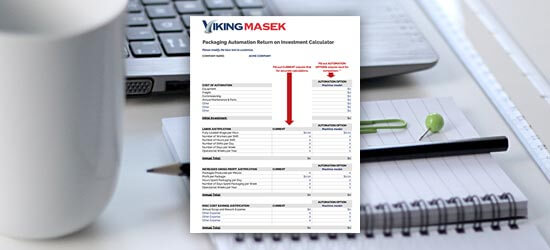
Packaging machine ROI calculator

Need help figuring out if packaging automation is right for your business?


First, start with the numbers. Download our free packing machine ROI calculator to learn how long it will take for an investment in automation to pay for itself (and much more).


Free packaging automation ROI calculator