


How to Choose the Right Nylon Rope for Your Needs?
Choosing the right Nylon Rope starts with the job, not the color or price. A line used to secure a light garden tarp faces different demands from one used for towing, lifting, or marine work. Think about expected load, movement, exposure, and contact with rough surfaces. Small details matter.
Nylon stretches under tension, which can help absorb sudden shock. That same stretch may be unsuitable when precise positioning is important. Check the rope’s construction, diameter, and manufacturer-rated working load, not just its breaking strength. These figures are not interchangeable. If the label is unclear, ask the supplier before using the rope for a critical task.
Consider the setting, too. Sunlight, moisture, chemicals, and sharp edges can all affect service life. Nylon can absorb water, so performance may change when the rope is wet. A slick, worn patch or damaged strand is a reason to stop and inspect—not a detail to ignore. That is easy to overlook.
The right choice also depends on how the rope will be handled. Knots can reduce strength, and a rope that feels thick in the hand is not automatically safer. Match the product to the manufacturer’s guidance and the actual conditions. A specification sheet helps, but it cannot show every snag, sudden jerk, or awkward pull on site. Leave room for uncertainty, and choose a suitable safety margin rather than guessing.
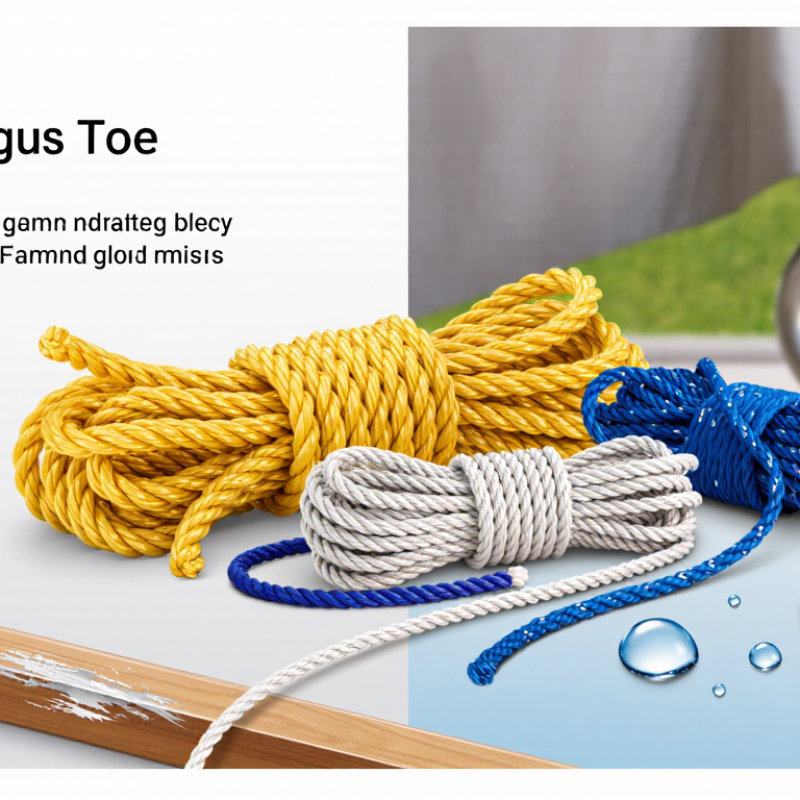
Understand Nylon Rope Properties and Available Types
Nylon rope is valued for its strength, abrasion resistance, and ability to absorb sudden shocks. It stretches under load, which can soften a brief tug but may feel less precise during steady pulling. That matters outdoors. Nylon can also absorb water, and its performance may change when wet, so check the rope’s specifications for the conditions you expect.
Construction affects handling. Three-strand twisted rope is flexible and relatively easy to splice, though it can untwist or kink. Braided rope has a smoother feel and resists snagging; double-braid construction adds a braided core beneath a braided cover. These types are not interchangeable in every setup. A tightly braided rope may be awkward to splice without the right technique.
Match diameter and construction to the task, then compare the rated working load—not just the breaking strength—with the expected forces. Check for a legible rating and inspect for cuts, flattened sections, fraying, or stiffness. One detail is easy to miss: knots can reduce rope strength. I would also avoid guessing based on thickness alone; the material, construction, wear, and attachment method all matter.

Define the Load, Environment, and Intended Application
How to Choose the Right Nylon Rope for Your Needs?
Start by defining the load, not by guessing from rope thickness. Note the weight being supported, how it will move, and whether a sudden pull is possible. Nylon stretches under load, which can soften some shocks, but that stretch may create extra movement or rebound. Check the rope’s rated working load and follow its safety guidance; a simple static weight estimate may miss dynamic forces. Leave a margin. Don’t rely on a quick hand test.
Next, consider where the rope will be used. Rain, salt water, sunlight, rough edges, and repeated rubbing can all affect service life. Nylon can absorb water, and abrasion may damage fibers even when the outer surface looks mostly intact. Think about the task, too: a dock line, a general utility tie, and a hauling line may need different lengths, diameters, and handling qualities. Knots can reduce strength, so use compatible connections and account for that in your selection. Inspect the full length before use and replace rope with cuts, glazing, or serious fraying. Diameter can look reassuring, but it is only one part of the decision. Recheck your assumptions when conditions change.
How to Choose the Right Nylon Rope for Your Needs? — Define the Load, Environment, and Intended Application
| Selection Factor | What to Define | How Nylon Rope Responds | Practical Selection Guidance |
|---|---|---|---|
| Load and rope capacity | Determine the expected force, whether the load is static or moving, and whether sudden loading is possible. | Nylon stretches under load and can absorb some shock, but its strength depends on diameter, construction, condition, and manufacturer specifications. | Choose a rope with a documented working load limit suitable for the application. Do not treat breaking strength as a safe working load. |
| Shock loading | Consider starts, stops, swinging loads, towing, or other events that may create a sudden force. | Its elasticity can help absorb impact, but shock loads can still create forces high enough to damage the rope or connected equipment. | Allow for dynamic forces and use equipment designed for the task. Avoid using a rope that is damaged, aged, or incorrectly sized. |
| Wet conditions | Identify exposure to rain, spray, immersion, or repeated wet-and-dry cycles. | Nylon absorbs water; wet conditions can reduce rope strength and change handling characteristics. | Check the rope’s wet-use guidance, inspect it regularly, and account for any stated reduction in capacity. |
| Sunlight and outdoor exposure | Estimate how long the rope will be exposed to direct sunlight and outdoor weather. | Nylon has useful outdoor durability, but prolonged ultraviolet exposure can gradually degrade fibers. | Choose a rope specified for outdoor use, store it out of direct sunlight when practical, and replace it if it shows deterioration. |
| Abrasion and contact points | Check for rubbing against edges, rough surfaces, pulleys, or hardware. | Abrasion can wear through the outer fibers and reduce strength, regardless of the rope’s original rating. | Use suitable protective sleeves or fairleads, keep contact surfaces smooth, and inspect high-wear areas often. |
| Rope construction | Choose a construction that suits handling, flexibility, and the type of equipment used. | Three-strand laid rope is flexible and easy to splice; braided constructions can offer a smoother hand and more stable handling. Performance varies by design. | Match construction to the application and follow the rope maker’s instructions for knots, splices, and compatible hardware. |
| Stretch requirements | Decide whether stretch is helpful for absorbing movement or undesirable for precise positioning. | Nylon generally stretches more than low-stretch fiber ropes, which can help with some dynamic loads but may allow movement. | For applications requiring minimal elongation or precise positioning, compare nylon with a suitable low-stretch rope and review the application requirements. |
| Chemical exposure | Identify any contact with cleaners, oils, fuels, acids, alkalis, or other chemicals. | Chemical resistance depends on the specific substance, concentration, temperature, and exposure duration. | Verify compatibility with the rope supplier before use. Do not assume nylon is suitable for an unknown chemical environment. |
| Knots, splices, and hardware | Account for connections, bends, small-radius edges, and the hardware the rope will pass through. | Knots and tight bends can reduce rope strength; incompatible or sharp hardware can cause concentrated wear. | Use properly sized, smooth hardware and approved terminations. Include connection-related strength reductions in the safety assessment. |
| Inspection and service life | Set inspection frequency based on use, exposure, and the consequences of failure. | Wear, cuts, heat, contamination, and fiber damage can compromise performance even when damage is not obvious at first glance. | Follow the supplier’s inspection and retirement guidance. Remove rope from service if it is damaged or its history is uncertain. |
Safety note: Rope capacity is specific to the product and test conditions. Confirm the rated working load, application limits, and inspection guidance with the rope supplier; never rely on a generic diameter-to-capacity estimate.
Compare Rope Construction, Diameter, and Strength Ratings
Choosing nylon rope starts with matching its construction to the job. Three-strand rope is flexible and relatively easy to splice. Braided rope feels smooth in the hand and runs neatly through pulleys. Kernmantle construction, with a protective sheath around a core, can help in abrasion-prone settings. Nylon stretches under load, which can soften a sudden pull, but may be unsuitable when movement must stay minimal. Details matter.
Diameter affects grip, fit, and handling, but thicker is not automatically safer. Check that the rope fits your hardware and can be handled comfortably with gloves. Then compare its strength rating with the expected load. Look for the working load limit, not just the breaking strength; the latter is measured under test conditions and is not a safe operating target. Knots, wear, shock loading, and prolonged exposure to sunlight can reduce performance. A rating alone cannot tell the whole story.
Tips: Inspect the rope for fraying, flattened spots, or stiffness before use. Keep the label or specifications for reference. If the load, setup, or rope condition is uncertain, pause and reassess. I sometimes find that a rope that looks substantial still feels awkward in the actual setup—that is worth noticing.
Check Compatibility, Handling, and Safety Requirements
How to Choose the Right Nylon Rope for Your Needs?
Compatibility starts with the load, the equipment, and the environment. Check the rope’s diameter against pulleys, cleats, and anchor points; a thick rope can jam in a narrow sheave. Nylon stretches noticeably under load. Cordage Institute technical guidance places typical elongation at break in the approximate 20–30% range, depending on construction. That stretch can absorb sudden shock, but it may also let a suspended load drop farther than expected. Leave clearance. Match the rope’s rated capacity to the actual working load, and account for knots, abrasion, moisture, and repeated loading. ISO 2307 provides standardized methods for measuring rope properties, including linear density and breaking force; ask suppliers for test data using comparable methods.
Handling changes performance. Nylon can become slippery when wet, and rough edges may damage its outer fibers before wear looks serious. Inspect the full length, especially near splices and contact points. Feel for stiff, flattened, or unusually fuzzy sections. Replace questionable rope; judgment here is imperfect, and that matters. Avoid sharp bends, keep coils orderly, and follow the manufacturer’s guidance for storage and retirement. For lifting or other high-consequence uses, select rope specifically rated for that application and have a competent person verify the setup. Never rely on color or diameter alone. Check the label, test documentation, and compatibility with every piece of hardware before use.
How to Choose the Right Nylon Rope for Your Needs?
Compare typical elongation-at-break ranges across common rope fibers. Nylon’s stretch can help absorb shock, but the right choice also depends on load, environment, and handling requirements.
How to use this chart: Nylon commonly elongates more than polyester under high load, which can be useful for shock absorption. These are approximate fiber-level ranges, not safe working load figures; actual performance varies by rope construction and manufacturer. Check the rope’s rated working load, compatibility with chemicals and exposure conditions, and inspect it for wear before use. Never use elongation-at-break values to determine a safe load.
Select and Maintain the Right Nylon Rope
Choosing nylon rope starts with the job, not its color or feel. For docking, hauling, or other tasks, check the rope’s rated working load and construction. Breaking strength is not a safe working limit; ratings and safety factors vary. Match the diameter to your hands, cleats, pulleys, and other hardware. A rope that jams or slips can create problems. Nylon stretches under load and can absorb sudden shocks. That stretch may make precise positioning harder. It is a trade-off.
Consider where the rope will be used. Salt, grit, sunlight, and rough edges can all affect its service life. Check product specifications for the intended environment, and choose a construction that is comfortable to handle. Wet nylon can feel heavier and behave differently, so account for wet conditions when checking load guidance. I have sometimes judged a rope by touch alone. That is not a reliable test.
Rinse off salt and grit with fresh water, then air-dry the rope away from direct heat. Inspect it regularly. Look for cuts, fraying, flattened sections, stiffness, or signs of heat or chemical damage. Replace rope with serious damage or an unknown history. Knots can reduce strength, so use suitable terminations and check them before loading. Small defects matter. Keep the rope loosely coiled in a dry, shaded place, and avoid storing it under heavy objects. A quick glance is useful, but it can miss damage inside the fibers.


