


How to Choose the Right Plastic Tarpaulin?

Choosing the right Plastic Tarpaulin starts with understanding what it needs to protect and where it will be used. A cover for garden furniture faces different demands from one stretched over a work trailer or stacked building materials. Rain, sunlight, wind, abrasion, and repeated handling all affect how a tarp performs. Small details count.

Compare the material, thickness or weight, weave, coating, and edge construction rather than relying on color or price alone. A heavier tarp may resist wear better, but it can also be harder to fold and secure. Check that the stated measurements and product specifications match your needs; terms such as “waterproof” can be used broadly, so review the manufacturer’s information carefully. For example, a tarp left outdoors through summer needs suitable UV resistance, while a temporary indoor dust cover may not. Grommets should be positioned where you can tie the cover without pulling sharply on one corner. That matters.

Think about fit, too. Allow enough coverage to protect edges, but avoid excess material that can flap in strong wind. No tarp is indestructible, and even a well-chosen one can fail if it is stretched too tightly or left rubbing against a sharp surface. I have seen buyers focus on thickness and overlook the seams; that choice may deserve a second look. This guide explains the key factors so you can compare options realistically and choose a Plastic Tarpaulin suited to your actual conditions.
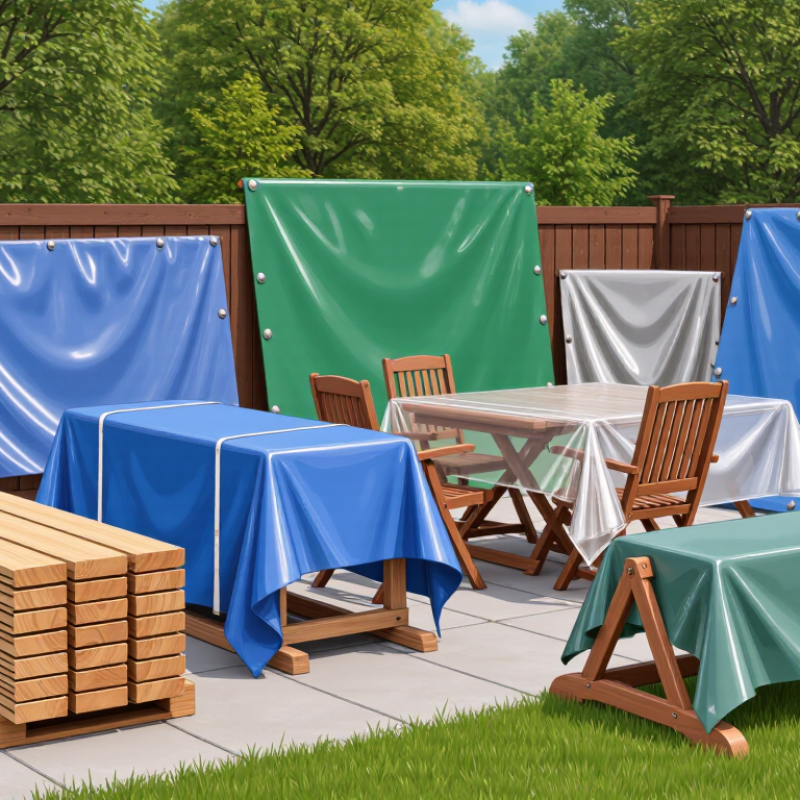
How to Choose the Right Plastic Tarpaulin?

Identify the Job, Coverage Area, and Required Level of Protection

Choose a plastic tarpaulin for the job it must do, not just its listed size. A cover for stacked firewood faces different wear from a sheet used beneath a garden project. Note whether it will sit on rough ground, hang over sharp edges, or stay exposed to sun and wind. Those details affect how much reinforcement and weather resistance you need.

Measure the area to be covered, then allow extra material for overlap and fastening. A tarp that fits the surface exactly may leave corners exposed once it is tied down. Measure the load, too. On real jobs, the first estimate is often too optimistic. Check the dimensions again after placing the item where it will remain, especially if it has an uneven shape. Leave enough slack to secure the edges, but avoid a loose canopy that can flap in gusts.

Match protection to conditions. For brief indoor storage, a lighter sheet may be adequate; outdoor exposure calls for stronger fabric, reinforced hems, and secure eyelets. A waterproof surface helps shed rain, while UV resistance matters when sunlight is regular. For ground contact, inspect the underside and choose a heavier option if stones or grit are present. No tarp is indestructible. Check seams, tie points, and pooled water after installation, then adjust the fit if the cover starts to strain.

Compare Tarpaulin Materials and Their Core Performance Traits

Polyethylene tarpaulins are light, water-resistant, and easy to fold. Their woven structure handles everyday covering, but sharp corners can abrade the laminate. Check fabric weight and UV-stabilization details; a low-cost sheet may become brittle in strong sun. PlasticsEurope’s Plastics—the Fast Facts 2023 reports global plastics production of 400.3 million tonnes in 2022. That scale says little about a tarp’s quality, though. Construction matters more.

PVC-coated polyester is usually heavier and more resistant to abrasion and repeated handling. Its coated surface sheds water well, and welded seams can reduce leak paths. In cold conditions, some PVC fabrics feel stiffer. Canvas breathes better, which can reduce trapped condensation around stored equipment, but untreated cotton absorbs water and takes longer to dry. Feel the difference. Material names alone do not tell you coating thickness, seam quality, or useful service life.

For coated fabrics, ASTM D751 specifies tests including breaking strength, tear strength, adhesion, and water resistance. Ask suppliers for results from relevant tests, not just a “heavy-duty” label. Match the material to the job: PE for light, temporary coverage; PVC-coated fabric for frequent handling; canvas where airflow matters. I would still check the seams and eyelets in person; specifications can miss weak finishing.

How to Choose the Right Plastic Tarpaulin? — Compare Tarpaulin Materials and Their Core Performance Traits
Material type Typical construction Water resistance Airflow UV and weather performance Durability and handling Best suited for Key limitation
Woven polyethylene (PE) Woven high-density polyethylene fabric, commonly laminated or coated with low-density polyethylene. Usually waterproof when the coating and seams are intact. Low; the coated sheet does not allow much air through. UV performance depends on stabilizers and product grade. Prolonged sun exposure can cause fading and embrittlement. Lightweight and easy to fold. Tear resistance varies with fabric weight, weave, and reinforcement. General-purpose covers, temporary shelters, equipment protection, and outdoor storage. Often less abrasion-resistant and less durable in sustained heavy-duty use than heavier coated fabrics.
PVC-coated polyester Polyester base fabric coated on one or both sides with polyvinyl chloride (PVC). Typically highly water-resistant when properly made, welded, and maintained. Very low; the coated material is generally non-breathable. Can offer good outdoor weather resistance, but UV life depends on coating formulation, finish, and exposure. Generally strong, abrasion-resistant, and suitable for repeated handling. Usually heavier and less compact than PE sheeting. Longer-term covers, vehicle curtains, industrial enclosures, and applications needing robust fabric. Higher weight and cost; prolonged folding in cold conditions can be unsuitable for some grades.
Canvas (cotton or cotton-polyester) Woven fabric, usually uncoated or treated with a water-repellent finish. Varies by treatment. Water-repellent canvas is not necessarily fully waterproof, especially at seams. More breathable than plastic-coated sheets, which can reduce trapped condensation. Performance depends on fiber and treatment. Natural-fiber canvas can be vulnerable to mildew when stored damp. Flexible and repairable; abrasion and tear performance depend on fabric weight and weave. Uses where breathability matters, such as covering some goods that should not trap moisture. Can absorb water, become heavier when wet, and require thorough drying before storage.
HDPE shade mesh Knitted or woven high-density polyethylene strands, often UV-stabilized; open structure allows air to pass through. Not waterproof. Rain passes through the openings, although the mesh may reduce direct exposure. High compared with solid tarpaulins. UV resistance depends on stabilizer level and mesh construction; prolonged exposure can still age the material. Lightweight and useful where airflow is important; edges and attachment points may need reinforcement. Shade, wind screening, garden protection, and covers where ventilation is more important than keeping out rain. Does not provide a dry, sealed cover and offers limited protection from fine dust or wind-driven rain.
Selection note: Performance varies by fabric weight, coating, UV stabilization, seam construction, edge reinforcement, and exposure conditions. Check the product specification for intended service life, waterproofing, and temperature range before choosing.

Choose the Right Thickness, Weight, Size, and Reinforcement

How to Choose the Right Plastic Tarpaulin?

Start with the load, not the color. For temporary garden or furniture cover, a lighter sheet may be easier to handle; repeated outdoor use usually calls for heavier fabric and stronger seams. Compare weight in grams per square metre (gsm), but treat it as a clue, not a durability guarantee. Coating, weave, and workmanship also matter. A 200-gsm tarp with weak eyelets can fail sooner than expected.

Thickness helps resist punctures, while weight helps compare material use. They are not interchangeable. ISO 2286-2 provides a method for measuring the mass per unit area of coated fabrics, and ASTM D751 covers tests such as tensile strength, tear resistance, and hydrostatic resistance. Ask suppliers for test results under these methods, rather than relying on vague “heavy-duty” claims.

Fit matters. Measure the load, then allow extra fabric for overlap and secure fastening; an oversized sheet can flap hard in wind. Check reinforcement at stress points: hems, corners, and eyelets. Reinforced hems and evenly spaced eyelets help spread pulling force, but no tarp is windproof. Choose a size that can be tensioned without sharp folds, and secure it to stable anchor points. One easy mistake is choosing the thickest option for every job. It may be harder to fold, store, and handle, while still having weak stitching. Verify the full specification before buying.

Match Coatings and Features to Weather and Site Conditions

How to Choose the Right Plastic Tarpaulin?

A tarpaulin works best when its coating suits the weather and the job site. For steady rain, choose a waterproof, sealed surface and check that seams are well joined. Sun exposure calls for UV-resistant material; without it, plastic can become brittle and crack. Wind changes everything. On an exposed site, a heavy sheet may still tear if its edges flap or its tie points are weak. Look for reinforced hems and evenly spaced grommets, then secure the cover without leaving loose sections.

Tips: Match the sheet to the exposure, not just the forecast. Check for sharp corners, rough ground, and standing water before covering anything. Keep a small gap for airflow when condensation could damage stored materials. Check the edges after the first windy day.

Weight alone is not a reliable measure of durability. A thick tarp can be awkward to handle, while a lighter one may suit short-term covering in mild conditions. For repeated use, inspect coating wear and stitching regularly. In my experience, the weak spot is often a forgotten corner rubbing against a metal frame. Even careful choices are imperfect; site conditions change, so check the cover during use.

How to Choose the Right Plastic Tarpaulin

Typical fabric weight ranges for common tarp constructions (g/m²). Heavier fabrics are often suited to tougher site use, but weight alone does not determine waterproofness, UV resistance, or service life.

Lightweight and medium-duty polyethylene tarps are practical for temporary, lighter-duty coverage. Heavy-duty polyethylene and PVC-coated polyester are common choices for more demanding exposure; cotton canvas is breathable but may need treatment for reliable water resistance. Actual specifications vary by product, and seams, reinforcement, coating, and UV stabilization should also match the weather and site conditions.

Check Safety, Durability, and Care Requirements Before Buying

Choosing the right plastic tarpaulin starts with where and how you will use it. For a garden cover, occasional rain protection may be enough; for repeated outdoor use, check the stated UV resistance and temperature range. Read the product label rather than judging by color or thickness alone. Look for clear information about material, fabric weight, and reinforced edges. Check that grommets are evenly spaced and firmly attached. A weak corner can fail before the sheet wears out. Safety matters, too. Keep the tarp away from heat sources, and avoid using it where a loose sheet could block airflow or create a tripping hazard.

Tips: Before buying, measure the area and allow extra material for secure fastening. Ask whether the tarp is suitable for contact with the items you plan to cover. A heavier tarp is not always the better choice; it may be harder to handle in wind. That trade-off is easy to miss.

Durability depends partly on care. Secure the tarp without pulling it so tightly that the grommets strain. After use, brush off dirt and let both sides dry fully before folding. Trapped moisture can encourage mildew and weaken some materials over time. Store it away from sharp tools and direct sunlight. Small tears can spread. Repair them early with a compatible patch, and inspect seams before each season. A little care helps, though no tarp lasts forever.

Packaging machine ROI calculator

Need help figuring out if packaging automation is right for your business?


First, start with the numbers. Download our free packing machine ROI calculator to learn how long it will take for an investment in automation to pay for itself (and much more).


Free packaging automation ROI calculator