How to Choose the Right Stainless Steel Chains for Your Needs?
When selecting Stainless steel chains, understanding their various applications is crucial. These chains are not all the same; they differ in strength, design, and resistance to corrosion. Whether you need them for industrial purposes, decorative functions, or marine environments, choosing the right type matters significantly.
Consider the environment where the chain will be used. For instance, chains exposed to harsh chemicals or saltwater require high-grade stainless steel for longevity. Some users may overlook this and choose based on price alone, which can lead to premature wear.
Moreover, think about the load the chain needs to bear. Underestimating weight capacity can result in accidents or equipment failures. Additionally, knowing the aesthetics of the chains can enhance your project's overall appeal. Not all stainless steel chains come with the same finish; these details make a significant difference. Pay attention to these elements; your choice can impact both functionality and visual appeal. Making an informed decision ensures reliability and satisfaction in the long run.
Understanding Different Types of Stainless Steel Chains
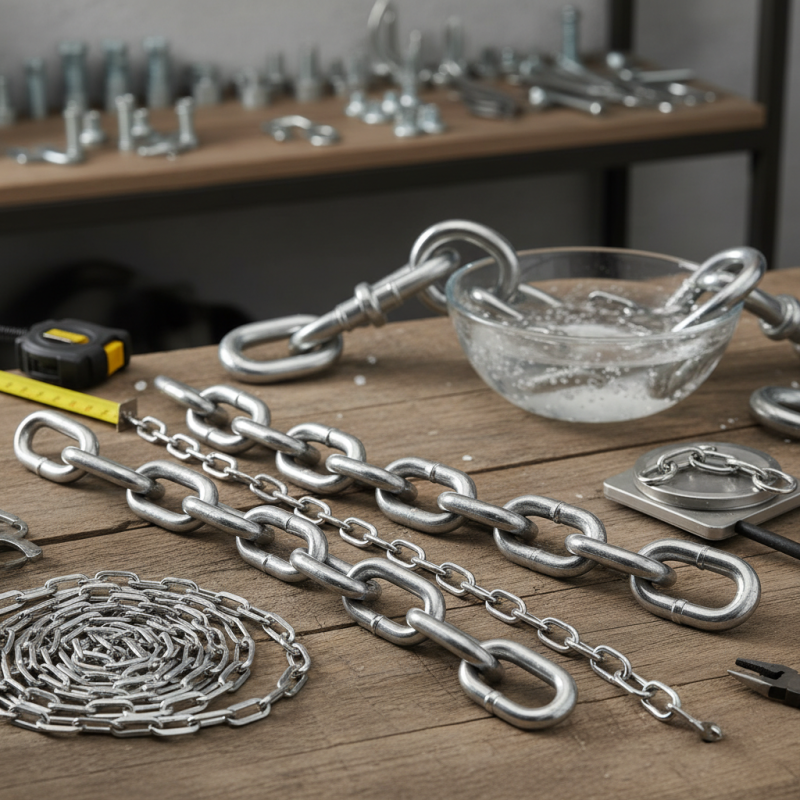
When selecting stainless steel chains, it is essential to understand the different types available. Chains vary in strength, design, and intended use. For example, a welded link chain is robust and suitable for heavy lifting. It offers high tensile strength but may lack flexibility.
On the other hand, a square link chain provides versatility. This type balances strength and flexibility, making it ideal for various applications. Consider also the grade of stainless steel. Higher grades resist corrosion better, which is crucial for outdoor or marine use.
It's important to reflect on your specific needs when choosing a chain. Some may be drawn to shiny aesthetics, while others prioritize durability. Assessing the environment where the chain will be used can drastically influence your choice. A deep understanding of the materials and types available will ensure you select the right chain for your requirements.
Assessing Load Capacity and Strength Requirements
When selecting stainless steel chains, assessing load capacity and strength is crucial. Each application has specific requirements. Determine the maximum weight the chain will support. Consider both static and dynamic loads. Static loads refer to weights that remain constant, while dynamic loads involve movement. This distinction affects the chain's performance and lifespan.
Be mindful of the chain's tensile strength. This varies among different types of stainless steel. Higher grades generally provide better strength but may come with increased costs. Evaluate your needs carefully. There’s a balance between affordability and durability. Weak chains can lead to failures and accidents. Over time, using an inappropriate chain may result in costly repairs or unsafe conditions.
Additionally, anticipate possible wear conditions. Factors like humidity, exposure to chemicals, and environmental stresses will affect chain performance. Not all chains withstand corrosion or wear equally. Consider these aspects beforehand. A chain may seem adequate but could fail prematurely under certain conditions. Always err on the side of caution when evaluating your requirements.
Evaluating Corrosion Resistance and Environmental Considerations
Choosing the right stainless steel chains requires careful consideration of environmental factors. Corrosion resistance is paramount, especially in outdoor applications. Different grades of stainless steel offer varying levels of protection. For example, grades like 304 and 316 are popular, but performance can differ based on climate and proximity to saltwater.
When evaluating options, consider the specific environment. For coastal areas, grade 316 might be ideal due to its superior resistance to salt corrosion. Regular inspections can help spot early signs of wear. Contaminants like dirt and debris can also affect longevity. Cleaning chains regularly ensures a longer lifespan.
Tips: Always ask for corrosion test results. This can provide insight into the material’s durability. Look for certifications that guarantee quality. Additionally, think about the chain's finish; polished surfaces often resist corrosion better. Don’t overlook storage options, as proper storage can prevent exposure to damaging elements.
How to Choose the Right Stainless Steel Chains for Your Needs?
| Chain Type | Corrosion Resistance | Environmental Considerations | Typical Applications |
| 304 Stainless Steel | Good resistance to oxidation and corrosion | Suitable for indoor use or mild environments | General Purpose, Food Equipment |
| 316 Stainless Steel | Excellent resistance to pitting and crevice corrosion | Suitable for marine and harsh environments | Marine Equipment, Chemical Processing |
| 430 Stainless Steel | Moderate corrosion resistance, magnetic | Not suitable for extreme environments | Automotive and Appliance Trim |
| Duplex Stainless Steel | High resistance to stress corrosion cracking | Good for high-salinity environments | Oil and Gas Industry, Chemical Plants |
Choosing the Right Length and Diameter for Your Application
Choosing the right length and diameter for stainless steel chains is critical for any application. Chain length can significantly impact functionality. For example, if the chain is too short, it might not provide enough support. On the other hand, a chain that is excessively long could lead to unnecessary slack. Therefore, measuring the intended space accurately is essential for optimal performance.
When it comes to diameter, the strength of the chain is directly related. A thicker chain usually offers more durability. However, it can also add weight and reduce flexibility. Finding the right balance is key. You may need to test different sizes to see which works best in your specific context. Remember, a chain that seems perfect in theory may not perform well under real conditions.
Reflecting on potential drawbacks is essential. Sometimes, purchasing a chain that fits perfectly becomes a trial-and-error process. Consider consulting with professionals or seeking advice from experienced users. Their insights can provide valuable guidance, saving time and reducing errors.
Analyzing Cost and Quality Factors in Stainless Steel Chains
When selecting stainless steel chains, understanding cost and quality factors is essential. Research shows that the global stainless steel chain market is projected to grow significantly. By 2026, it is expected to reach approximately $1.2 billion, driven by demand in various industries. Cost variations depend on several factors, including the type of stainless steel used, chain grade, and manufacturing processes.
The grade of stainless steel greatly influences durability and corrosion resistance. Chains made from 316 stainless steel are more expensive but offer superior resistance to harsh environments. In contrast, 304 grade chains are more affordable and suitable for less demanding applications. It's crucial to assess the specific application needs. Choosing a lower-grade chain may save money initially, but could lead to higher long-term costs due to replacements or maintenance.
Another critical factor is manufacturing quality. Chains produced with advanced techniques provide better tensile strength and reliability. Yet, not all manufacturers maintain high standards. Often, chains look identical but differ significantly in performance. A detailed supplier evaluation is vital. Look for certifications and industry reviews. The goal is to ensure the chain meets safety regulations and performs well over time, thus leading to better investment returns.