Top 10 Digital Signal Isolator Manufacturers for Buyers
Choosing a Digital Signal Isolator is not simply a matter of selecting the highest isolation rating. Buyers also need to consider channel count, data rate, common-mode transient immunity, package size, operating temperature, and power requirements. A device used in a compact motor controller may face different constraints from one installed in an industrial measurement system. Small details matter.
This guide introduces ten manufacturers for buyers comparing digital signal isolation options. Their product ranges, technical documentation, regional availability, and customer support may differ. Check datasheets for isolation voltage, timing specifications, creepage information, and recommended operating conditions. Then confirm that the listed values match the needs of your actual design, rather than relying on a headline specification alone. Numbers can mislead.
A practical comparison should also consider evaluation boards, design tools, lifecycle information, and the clarity of application guidance. These details can affect how easily an engineering team moves from component selection to testing. No manufacturer is the right choice for every project, and a ranked list cannot replace a careful review of the circuit, environment, and supply needs. Treat this overview as a starting point, and verify current product information directly with each supplier before making a purchase decision.
What Digital Signal Isolators Do and How They Work
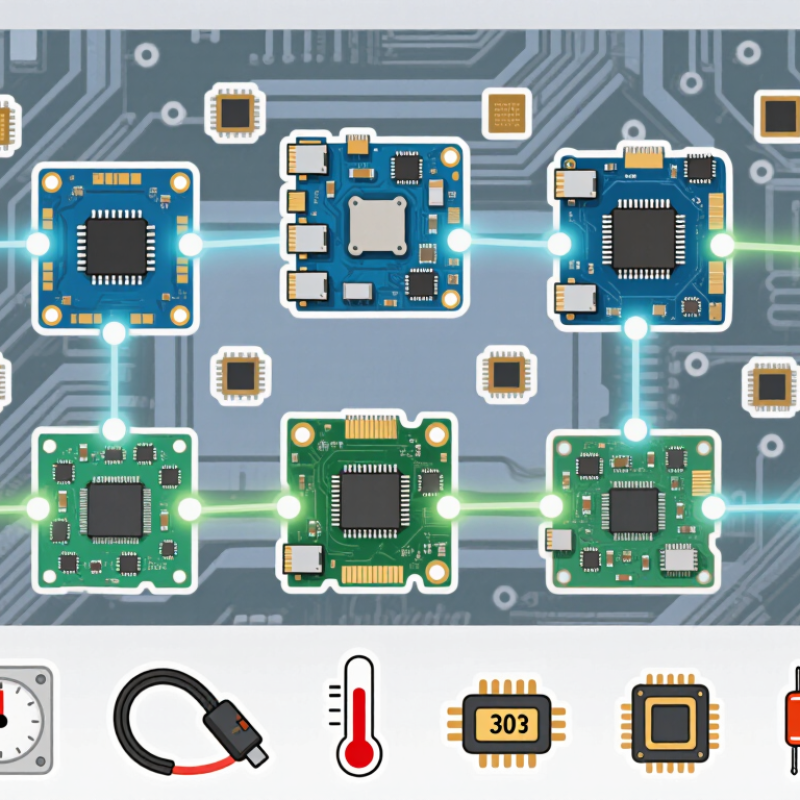
A digital signal isolator transfers logic signals between circuits without a direct electrical connection. This separation helps limit ground-loop currents and keeps differences in ground voltage from passing straight into sensitive electronics. Picture a controller sending a pulse across a small insulating barrier to a motor drive. The pulse arrives; the conductive path does not.
Inside, the input state is converted into a signal that can cross the barrier. Depending on the design, that signal may use capacitive, magnetic, or optical coupling. A receiver on the other side detects it and rebuilds a digital high or low. No metal bridge joins the two domains. The barrier material and internal layout matter, but so do data rate, propagation delay, and common-mode transient immunity. Small details count. A fast edge can be distorted if the selected device is too slow, while a noisy switching environment can challenge weak transient immunity. Isolation voltage is also important, though it should not be treated as a complete system-safety rating by itself.
For practical selection, engineers compare channel count, supply requirements, package size, and the timing needs of the interface. Check the datasheet conditions, not just the headline figures. An isolator can reduce one path for electrical noise, but it cannot repair poor grounding or careless board layout. That part is easy to overlook. Real installations vary, and bench results may not reveal every field condition. A little margin is often wiser than a perfect-looking fit.
Key Criteria for Evaluating Digital Signal Isolator Manufacturers
Evaluating digital signal isolator manufacturers starts with the actual circuit, not a headline isolation rating. Check working voltage, transient withstand, common-mode transient immunity, propagation delay, and channel-to-channel matching. These figures affect whether a device remains stable beside a fast-switching inverter or noisy motor drive. Ask for test conditions, too. A peak rating without its duration or temperature range is hard to compare. Small details matter.
Quality evidence should connect published specifications with repeatable production. Request reliability data, lot traceability, change-control procedures, and failure-analysis support. IEC 60747-17 and UL 1577 provide useful reference points for insulation and isolation testing, but certification alone does not prove suitability for every board. WSTS’s December 2024 semiconductor market forecast projected global sales of $626 billion for 2024, a 19 percent annual increase. That broad market figure is not an isolator-specific demand measure, but it underscores the value of dependable sourcing. Verify samples across temperature, load, and switching conditions. Bench results can be humbling. I would also compare lead times and end-of-life notification practices; these are easy to overlook during a short evaluation.
Profiles of 10 Leading Digital Signal Isolator Manufacturers
Digital signal isolators differ in channel count, isolation rating, speed, and package size. These ten manufacturer profiles highlight practical strengths buyers can compare without relying on brand names.
One manufacturer focuses on compact, single-channel parts for tight circuit boards. Another offers multi-channel devices suited to dense control systems. A third emphasizes high-speed links for data-heavy equipment. A fourth designs low-power isolators for battery-operated instruments. A fifth supports broad operating-temperature ranges. Details matter.
A sixth maker pairs isolators with integrated power options, reducing external components. A seventh specializes in robust packages for electrically noisy environments. An eighth provides flexible channel configurations for industrial interfaces. A ninth maintains a wide selection of logic-compatible options. A tenth prioritizes clear documentation and accessible technical support. That helps.
Compare each maker’s datasheets for isolation voltage, creepage distance, propagation delay, common-mode transient immunity, and certification details. Check test conditions, not just headline figures. Ask about production consistency and long-term availability, too. A datasheet can still leave gaps. The “best” profile depends on the application, board layout, and operating environment; even a strong specification may not match every design. A small timing difference can matter in a fast control loop. Test representative parts in the intended circuit before final selection.
Digital Signal Isolators: Illustrative Logic-Signal Waveform
A normalized binary signal illustrates the kind of digital logic a signal isolator transfers across an isolation barrier. This conceptual waveform is not measured product data or a manufacturer ranking; compare actual data rates, channel counts, and isolation ratings in product datasheets.
Comparing Product Features, Certifications, and Technical Support
Comparing ten digital signal isolator manufacturers requires more than checking headline isolation voltage. Buyers should match channel count, data rate, propagation delay, and common-mode transient immunity to the actual circuit. A fast interface can still fail if timing margins are narrow. Check the datasheet conditions, not just the largest number in a table. Test results under different temperatures matter.
Certifications deserve the same scrutiny. Confirm that the exact device and package carry the safety approvals your design needs; a company-wide claim may not cover every part. Look for clear creepage and clearance data, insulation lifetime information, and traceable test documentation. Small details count. Technical support is another practical differentiator: assess whether engineers can explain layout constraints, recommend suitable test setups, and answer questions with device-specific evidence. Ask about evaluation samples and reference designs before committing to a production schedule. A polished support portal is useful, but it does not prove that difficult questions get resolved quickly. I would compare response quality using the same technical question for each supplier. That takes time, and the result may still feel subjective. Keep written notes on what each team confirms.
Choosing a Manufacturer for Your Application and Purchasing Needs
When comparing digital signal isolator manufacturers, start with the application, not the ranking. A device for a compact motor-control board may need different data rates, channel counts, and package options than one used in an industrial sensor module. Check isolation ratings, common-mode transient immunity, operating temperature, and logic-side voltage against your actual design conditions. Details matter.
Tips: Request current datasheets, reliability information, and sample availability. Ask how specifications were tested, and confirm that quoted lead times apply to your order quantity. Compare answers in writing.
A useful manufacturer should explain trade-offs clearly and provide timely technical support. Ask whether the product has been evaluated under conditions similar to yours, including switching noise and board layout. A specification sheet helps, but it cannot show every integration issue. That part still needs testing. If possible, validate samples on your own board before committing to a larger purchase. Also review lifecycle notices, packaging requirements, and supply continuity. Buyers sometimes focus heavily on unit price; I would still compare the cost of delays, redesigns, and unavailable documentation. Those estimates can be imperfect, so record assumptions and revisit them before placing an order.



