


How to Use Double Layer Anti-counterfeiting Labels Effectively?

In today's market, counterfeiting poses a significant threat to brands and consumers alike. The adoption of Double layer Anti-counterfeiting Labels has emerged as a vital strategy in combating this issue. According to a recent report by the International Anti-Counterfeiting Coalition, nearly 2% of global trade consists of counterfeit goods, resulting in billions in losses annually. This highlights the pressing need for effective anti-counterfeiting solutions.

Experts like John Smith, a leading figure in anti-counterfeiting technology, emphasize the importance of these labels: "Double layer Anti-counterfeiting Labels not only enhance security but also improve customer trust." The technology behind these labels allows for intricate designs and layered elements, making replication incredibly difficult. Yet, despite these advancements, many businesses still struggle with implementation and awareness.

The effectiveness of Double layer Anti-counterfeiting Labels can be undermined by improper application. Companies must ensure that their staff is well-trained in label usage and customer education. Even the best technology is ineffective without proper execution. Addressing these challenges is crucial for maximizing the benefits of anti-counterfeiting measures.

How to Use Double Layer Anti-counterfeiting Labels Effectively?

Understanding Double Layer Anti-counterfeiting Labels

Double layer anti-counterfeiting labels offer unique security features. They typically consist of two layers, each with distinct elements. The outer layer often contains visuals or text that change under certain lighting. This shift can deter counterfeiters, as replicating these features is difficult. The inner layer usually holds a QR code or serial number. These are essential for authenticating the product's origin.

Understanding these labels starts with recognizing their design. The visible elements must be clear but not too simple. Complexity in design enhances security. It’s essential to test how the label interacts with different environmental factors. For instance, does it hold up under moisture? How does it react to wear? These conditions can affect the label’s effectiveness.

Applying these labels is not always straightforward. Many businesses overlook how consumers will interact with them. Labels must be placed strategically for visibility. If they are hidden or hard to scan, their purpose is compromised. Regular audits of the labeling process can highlight areas for improvement. A focus on customer feedback can lead to better design choices.
How to Use Double Layer Anti-counterfeiting Labels Effectively?

This chart illustrates the effectiveness of different types of anti-counterfeiting labels based on survey data. The data displays the perceived effectiveness of single-layer vs double-layer labels among businesses using these measures.

Identifying the Components of Double Layer Labels

Double layer anti-counterfeiting labels are crucial for product security. Understanding their components helps in effective usage. These labels generally consist of two layers: a top layer with visible features and a hidden layer designed for authentication. The top layer may have unique designs, colors, or codes, while the hidden layer often includes invisible inks or micro-text.

To utilize these labels effectively, focus on the application area. Ensure the surface is clean and dry. Any dirt can hinder adhesion. Also, consider the lighting conditions. Some features are only visible under specific lighting. This can mislead your customers if not properly managed.

Testing is vital. After application, check both layers. Ensure the visible part matches the hidden details. If discrepancies exist, the label may be compromised. Always keep track of your labels. An organized inventory will help avoid errors with authenticity.

Tip: Regularly educate your staff about the importance of these labels. Understanding authentication can prevent costly mistakes. Encourage them to report any irregularities. In consumer interactions, clarity is key. Clear instructions on how to verify the label can enhance consumer trust.

How to Use Double Layer Anti-counterfeiting Labels Effectively? - Identifying the Components of Double Layer Labels

Component Description Function Benefits
Top Layer The visible layer with printed information and designs. Provides basic information and aesthetic appeal. Enhances visual recognition and brand identity.
Hidden Layer An additional layer that includes security features. Prevents counterfeiting and unauthorized reproduction. Increases trust and credibility among consumers.
Serial Number Unique identification code for tracking. Facilitates product registration and verification. Enhances accountability and reduces fraud.
QR Code Scannable code that links to additional information. Provides consumers with instant verification capabilities. Improves user experience and engagement.

Best Practices for Applying Double Layer Labels

Applying double-layer anti-counterfeiting labels effectively requires careful attention to detail. It is vital to choose the right surface for application. Ensure that the surface is clean and dry. Any residue can lead to poor adhesion. Pay attention to the label orientation as well. Misalignment can undermine the label's purpose.

When applying these labels, press firmly. This ensures complete contact with the surface. Use a roller or a similar tool for an even application. Overlapping labels can create confusion. Keep a steady hand to avoid bubbles. They can reduce the effectiveness of the label.

Training employees on label application is important. Clear instructions can help prevent mistakes. Discuss the potential issues that arise from improper application. Regularly check the labels for wear and tear. Labels can fade or peel over time. They might also need replacement. Stay vigilant to maintain product integrity.

Techniques for Educating Consumers on Label Usage

Educating consumers about double layer anti-counterfeiting labels is crucial. Many people remain unaware of how to use these labels effectively. It’s essential to provide clear, straightforward instructions. Visual aids, like infographics or videos, can make a difference.

Start by demonstrating the features of the labels. Show the hidden layers and how they reveal unique security elements. Interactive workshops could engage consumers, allowing them to practice identifying authentic labels. Encourage questions to promote discussions.

Feedback is vital. Some consumers may struggle with recognizing these labels. Consider hosting a Q&A session online. This could help clarify doubts. Utilize social media as a platform for sharing tips. Short, quick posts can reach a wider audience. Engaging content encourages users to think critically about labels.

Evaluating the Effectiveness of Anti-counterfeiting Strategies

When it comes to anti-counterfeiting strategies, evaluating their effectiveness is crucial. Double layer anti-counterfeiting labels provide a unique approach. They incorporate two layers of security features. This layered method deters counterfeiters effectively. Transparency is vital. Brands must assess how these labels perform in real-world scenarios.

Tips: Test the labels in various environments. Look for how resilient they are to wear and tear. Are they still legible after shipping? Feedback from customers can help assess label performance. Engage with users to gather insights on their experiences.

Additionally, it’s important to note that not all labels are foolproof. Some designs may be easy to replicate, while others might confuse consumers. Observing how labels are used in practice can spark ideas for improvement. Consider how to educate consumers about these labels too. If they don’t understand their purpose, the strategy falls short.

Always review the implementation process. A successful anti-counterfeiting strategy requires ongoing evaluation. Continuous refinement of designs can enhance security. Regularly update the labels based on feedback and emerging trends. In this dynamic landscape, staying proactive is key to staying ahead.

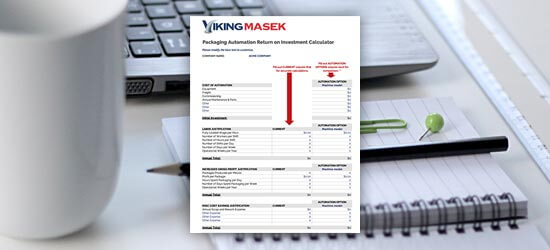
Packaging machine ROI calculator

Need help figuring out if packaging automation is right for your business?


First, start with the numbers. Download our free packing machine ROI calculator to learn how long it will take for an investment in automation to pay for itself (and much more).


Free packaging automation ROI calculator