What is Galvanized Nails and How Are They Used?
Galvanized nails play a crucial role in construction and woodworking. These nails are coated with zinc to prevent rusting. This protective layer enhances their durability. Many professionals and DIY enthusiasts choose galvanized nails for outdoor projects. They withstand harsh weather conditions well.
Using galvanized nails can improve the lifespan of structures. However, some might overlook their specific applications. Not every project requires galvanized nails. For instance, interior woodwork might not need them. Different projects demand different materials. Choosing the right nail type is essential for success.
Sometimes, users complain about the higher costs of galvanized nails. While they last longer, some budget-conscious individuals may hesitate. However, investing in quality often pays off. Galvanized nails may also not be suitable for every wood type. It's important to consider the entire project. As you explore galvanized nails, reflect on their advantages and limitations.
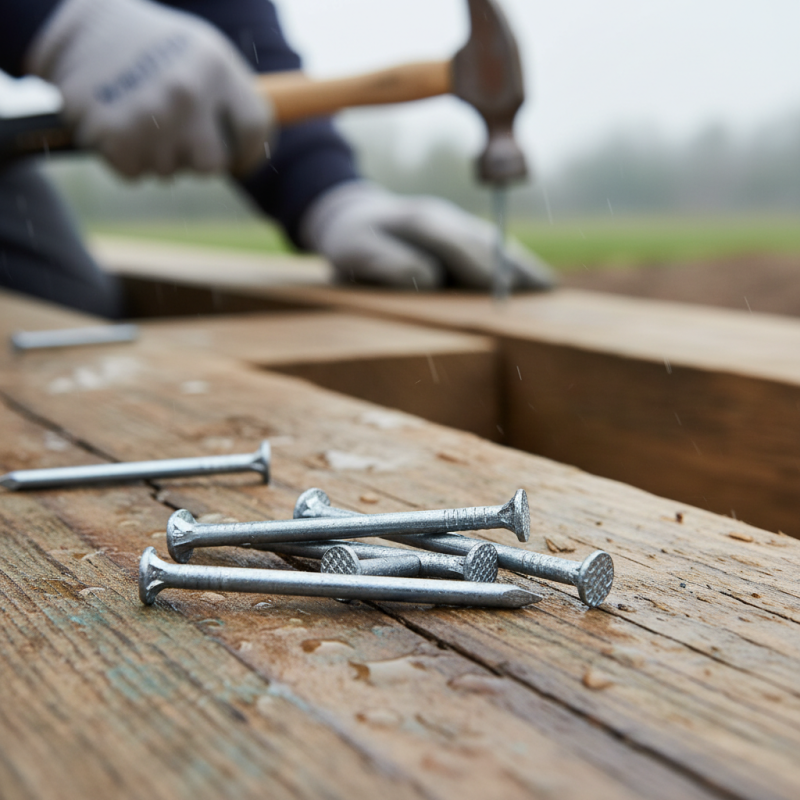
What Are Galvanized Nails and Their Definition?
Galvanized nails are metal fasteners coated with a layer of zinc. This coating helps prevent rust and corrosion. In construction and woodworking, these nails are commonly used for outdoor projects. They offer durability in various weather conditions. According to industry reports, galvanized nails can last up to 50 years in proper conditions.
The process of galvanizing involves dipping steel nails into molten zinc. This creates a protective layer that adheres to the metal. Studies show that galvanized nails are highly effective in resisting moisture. However, improper installation can lead to corrosion issues. Over time, some professionals note that the galvanized coating can wear off, exposing the steel beneath.
Additionally, not all galvanized nails are created equal. There are different grades of galvanized nails, each with varying corrosion resistance. For instance, hot-dip galvanized nails are typically stronger than electro-galvanized ones. A mismatch in nail type and project requirements could lead to failure. It's crucial to choose the right type for your specific needs.
The Galvanization Process: How Nails Are Treated
The galvanization process is essential in enhancing the durability of nails. It involves coating steel or iron with a layer of zinc. This zinc layer protects against rust and corrosion. Interestingly, this method was first developed in the 19th century. Since then, it has become standard in the construction industry. According to industry reports, galvanized nails can resist corrosion 30% longer than non-galvanized counterparts.
During galvanization, nails undergo a process called hot-dip galvanizing. This means they are submerged in molten zinc at temperatures around 450°C. The result is a metallurgical bond that significantly enhances strength. However, not all galvanization processes are equal. Some lack consistency in zinc thickness, which may lead to premature failure in harsh environments. Reports show that this inconsistency can reduce the lifespan of galvanized nails by up to 20%.
While galvanized nails offer many advantages, awareness of their limitations is vital. The coating can chip or wear away over time, exposing the underlying metal. Regular inspections are crucial to ensure they maintain their protective quality. In areas with extreme weather, extra care might be needed to choose the appropriate type of galvanized nails for longevity.
Common Uses of Galvanized Nails in Construction
Galvanized nails are essential in various construction projects. Their main advantage lies in their corrosion resistance. This feature makes them perfect for outdoor and high-moisture areas. According to industry reports, using galvanized nails can extend the longevity of structures by up to 30%. This durability is crucial for both residential and commercial projects.
Common uses of galvanized nails include framing, roofing, and woodworking. In framing, these nails provide strong support for wooden beams. For roofing, they secure shingles and underlayment against wind and rain. In woodworking, they enhance the strength of joints and connections. The versatility of galvanized nails makes them a go-to choice for builders.
Tips: Always check for the correct gauge and length. Using the wrong size can compromise the structure. Consider the environment as well. In coastal areas, double-check the galvanization thickness for added protection. Choosing the right nail matters. Missteps here can lead to costly repairs in the future.
Benefits of Using Galvanized Nails Over Other Types
Galvanized nails are coated with zinc, offering enhanced resistance to rust and corrosion. This makes them ideal for outdoor projects or humid environments. According to studies, galvanized nails can last up to three times longer than untreated nails when exposed to moisture.
One key benefit of using galvanized nails over others is their strength. Galvanized nails provide superior holding power, reducing the risk of loosening over time. This is particularly important in construction, where structural integrity matters. Data from industry reports indicate that using galvanized nails can improve the lifespan of a project by 20% compared to non-galvanized options.
Tip: When selecting nails, check the coating thickness. Thicker coating offers better protection against corrosion.
Another advantage is their versatility. Galvanized nails work well with various materials, including wood and metal. They can be used for framing, roofing, and even deck construction. However, keep in mind that not all galvanized nails are equal. Some may be more prone to
chipping or wear.
Tip: Always consider the environmental conditions of your project. In coastal areas, opt for nails with a higher zinc content for better longevity.
Identifying Suitable Applications for Galvanized Nails
Galvanized nails are coated with zinc to resist rust. This makes them ideal for outdoor projects. They maintain their strength and appearance even in wet conditions. You can use them in many situations.
When selecting galvanized nails, consider the project type. For decks, fences, and roofing, these nails are the best choice. They provide strong support against weather elements. However, avoid using them in places with high heat. The coating may degrade faster.
Tips:
For wooden structures, pre-drill holes. This prevents the wood from splitting. Always check the nail length before starting. Long nails provide more hold but need careful positioning.
Think about the environment. If the nails lose their coating, they may rust. Inspect your projects regularly to ensure durability. Remember, not every situation suits galvanized nails. Consider alternatives when necessary.
What is Galvanized Nails and How Are They Used? - Identifying Suitable Applications for Galvanized Nails
| Nail Type | Material | Main Uses | Advantages | Disadvantages |
| Common Galvanized Nails | Steel with Zinc Coating | Wood Construction, Fencing | Corrosion Resistance, Durability | Can be prone to bending under stress |
| Roofing Nails | Steel with Galvanized Finish | Roofing, Installing Shingles | Weather Resistant, Strong Hold | May damage shingles if overdriven |
| Decking Nails | Carbon Steel with Zinc Coating | Deck Construction, Outdoor Projects | Prevents Rust and Corrosion | Higher Cost Compared to Regular Nails |
| Wire Nails | Galvanized Steel Wire | General Construction, Crafts | Economical and Versatile | Not suitable for heavy-duty applications |