Why Use a Cargo Load Bar to Secure Loads?
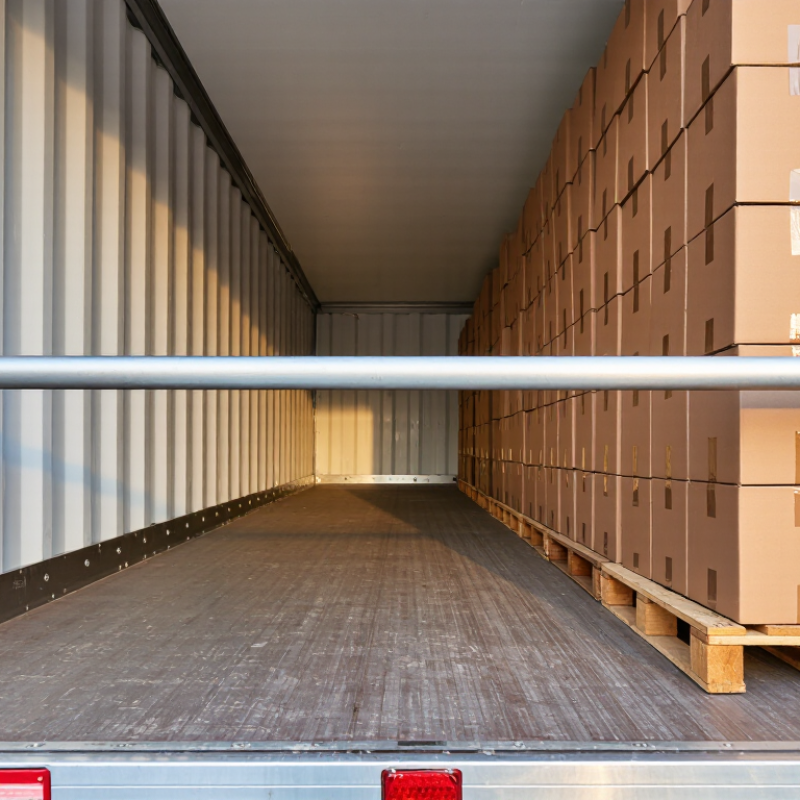
A Cargo Load Bar gives freight a firm boundary inside a trailer, helping limit movement when the vehicle brakes, turns, or travels over uneven roads. Picture a row of palletized boxes pressing against the trailer wall: a correctly fitted bar can help keep the load from shifting into open space. It is a practical tool, not a substitute for sound loading or other appropriate restraints.
Industry inspection data show why securement deserves attention. The Commercial Vehicle Safety Alliance’s 2024 International Roadcheck results covered 48,761 commercial motor vehicle inspections; cargo securement appeared among the vehicle out-of-service violation categories. That figure does not mean every violation involved a load bar. It does show that securement remains a real inspection concern. FMCSA’s Cargo Securement Rules and guidance explain that cargo must be immobilized or secured to prevent shifting, falling, or leaking. A load bar can support that goal when its rating, placement, and fit suit the freight and trailer.
Small shifts matter. A bar that looks solid may still slip if it is poorly seated, damaged, or used beyond its working load limit. Inspect the contact points, check the locking mechanism, and reassess the load after loading. These are simple steps, but they are easy to rush. A bar cannot correct unstable stacking or replace a complete securement plan. Used thoughtfully, though, it adds a visible, adjustable barrier—and a useful layer of control on the road.
What a Cargo Load Bar Is and How It Works
A cargo load bar is an adjustable brace that spans the inside walls of a van, truck, or trailer. Its padded ends press against the walls, while a ratchet or threaded mechanism extends the bar and creates tension. That pressure helps stop boxes, bins, or pallets from sliding forward or sideways during braking and turns. Some bars sit horizontally; others brace cargo vertically between the floor and ceiling. Check the bar’s rating and the strength of the surfaces it contacts. A firm-feeling bar is not automatically a safe fit.
Tips: Place the bar close to the load, not across empty space. Tighten it until secure, but avoid crushing cartons or damaging wall panels. Recheck it after loading.
A load bar works best when cargo is packed closely and the bar has solid contact at both ends. Smooth, dusty, or uneven surfaces can reduce grip. It is easy to assume the bar is doing enough, especially when nothing moves in the driveway. Road vibration can expose a weak setup. Use straps or other suitable restraints when the load needs more control, and follow the bar maker’s instructions. A bar supports a restraint plan; it does not replace careful loading.
Why Use a Cargo Load Bar to Secure Loads?
A cargo load bar is an adjustable restraint that braces against a vehicle’s interior walls to help block cargo from shifting. The chart shows the inertial force on a 1,000 kg load at different acceleration levels, calculated using force = mass × acceleration.
These figures describe force on the load, not the capacity of a particular load bar. Use a bar with a suitable rated capacity, install it correctly, and follow applicable cargo-securing requirements.
How a Load Bar Prevents Cargo from Shifting
A cargo load bar helps prevent freight from sliding or tipping when a vehicle brakes, turns, or travels over uneven pavement. Set across the cargo space, it creates a physical barrier between the load and an open area. Its padded ends press against the trailer walls, while the bar holds cartons, crates, or palletized goods in place. That contact matters. Without restraint, a pallet can creep a few inches with each turn, leaving gaps that let it gain momentum. Small gaps matter.
Position the bar close to the cargo, not against a weak panel or loose stack. Check that the bar is rated for the space and load, and make sure both ends sit flat against sturdy surfaces. A quick push can reveal poor contact, but it cannot prove the setup is secure. Use appropriate straps or other restraints when the load needs more support; a bar is not a replacement for every tie-down. Inspect it for bends, worn pads, or a slipping adjustment before travel. Even a properly placed bar may need repositioning if cartons settle or the load changes shape. That part is easy to overlook. The bar controls movement in one direction, so consider how the cargo could shift sideways or forward as well.
Why Use a Cargo Load Bar to Secure Loads? - How a Load Bar Prevents Cargo from Shifting
| Load-Securing Aspect | How a Load Bar Helps | Practical Use | Important Consideration |
| Preventing forward or backward movement | A bar positioned across the cargo can create a physical barrier that helps limit movement during acceleration or braking. | Place it snugly against the cargo and suitable vehicle supports, following the bar manufacturer’s instructions. | A load bar is not a substitute for adequate cargo restraint or compliance with applicable load-securement rules. |
| Reducing side-to-side shifting | A crosswise bar can help keep cargo from sliding laterally when the vehicle turns or travels over uneven surfaces. | Use a bar designed for the vehicle and position it across the load at a stable contact point. | Check that the bar is seated securely and cannot slip or damage the cargo or vehicle interior. |
| Separating cargo zones | Bars can help form a boundary between groups of items, reducing the chance that one section moves into another. | Use barriers to organize mixed loads and keep gaps between cargo sections controlled. | Do not rely on a bar alone to restrain heavy, unstable, or irregularly shaped items. |
| Protecting cargo from contact | By limiting movement, a properly placed bar can help reduce collisions between packages or with the vehicle’s interior. | Choose contact points that spread pressure and avoid fragile packaging or sensitive surfaces. | Use appropriate padding when needed, and make sure it does not reduce the bar’s grip or stability. |
| Supporting other securement methods | A load bar can work alongside straps, blocking, or other suitable restraints as part of a complete securement plan. | Combine methods according to the cargo type, vehicle, and applicable regulations. | Consider the bar’s rated capacity and the strength of the vehicle’s support points; never exceed their limits. |
| Pre-trip and in-transit checks | Inspection helps identify loosening, slipping, damage, or changes in cargo position before they become hazards. | Check the bar and load before departure and recheck as appropriate during the trip. | Replace damaged equipment and reposition or retighten a bar if it is no longer secure. |
Key Benefits of Using a Cargo Load Bar
A cargo load bar helps keep freight from sliding or tipping during ordinary transport. It braces cargo against the walls of a trailer or cargo area, reducing movement when the vehicle brakes or turns. That can protect boxes, equipment, and other goods from dents and damage. It also makes a load easier to inspect and manage. Less shifting. Less hassle.
Tips: Choose a bar that fits the cargo space and is rated for the load. Place it firmly against stable cargo, not a loose box or fragile edge. Check the bar’s end pads and locking mechanism before use. After loading, give it a careful push to confirm it is secure.
A load bar is useful, but it is not a cure-all. For heavy or irregular freight, combine it with suitable straps or other approved restraints. Recheck the setup after the first part of a trip, especially if the cargo settles. This small step can feel fussy, but it may reveal a loose bar before it becomes a problem.
Common Types of Cargo Load Bars
Cargo load bars come in several forms, and each suits a different trailer layout. A ratcheting load bar uses a handle to extend between opposing walls. Its rubber feet press against the side panels, helping limit cargo from shifting sideways. Check that both feet sit flat, not partly on a rib or seam. A poor fit can feel firm at first.
Spring-loaded bars use internal tension and are often quicker to position. They work well for lighter loads or frequent adjustments, but their holding force varies by design. Read the rated capacity and match the bar to the cargo and vehicle. Quick to install. Still, quick is not always secure.
Decking beams span between vertical E-track rails, creating a support across the trailer. They can separate stacked freight or help prevent cartons from leaning into an aisle. Track-mounted bars also attach to compatible rail systems and offer adjustable placement along the wall. Look for worn end fittings, bent tubes, or cracked pads before each trip. A bar is only one part of cargo restraint; combine it with suitable straps or other securement methods when needed. I have seen a tidy arrangement look reassuring, yet a small gap can let boxes creep during braking. Recheck the fit after loading.
How to Choose and Use a Load Bar Safely
Choose a load bar that fits the vehicle’s interior and the cargo it must restrain. Check its stated working capacity, adjustment range, and contact-pad condition before use. A bar that is too short may slip; one that is overextended may not hold securely. Match the bar to the load and the vehicle’s approved restraint points. It is easy to focus on the bar and overlook the floor, walls, or cargo packaging.
Tips: Place the bar against firm, flat surfaces. Keep its feet clear of loose wrap, dust, and sharp edges. Check for dents, bent parts, cracked pads, or a loose locking mechanism. Replace damaged equipment.
Set the bar across the load only where it can press evenly without crushing boxes or shifting fragile items. Lock it according to the maker’s instructions, then push firmly to check for movement. Add suitable tie-downs when the load can slide, tip, or move in more than one direction; a load bar is not a substitute for every restraint. Recheck the setup after loading and during stops. A bar can feel tight at first, yet settle as soft packaging compresses. That detail is easy to miss.