How to Buy Used Packaging Equipment?

Buying Used Packaging Equipment can lower capital costs and shorten delivery times, but only when the machine fits your actual production needs. A low asking price is not the full story. The equipment must match your product, package dimensions, line speed, utilities, and available floor space. A filler that looks right in a listing may still need different change parts, controls, or guarding. Small details matter.

“[Insert a verified, verbatim quote from a named Used Packaging Equipment specialist about inspection or machine fit.]”

A careful purchase begins with records and direct inspection. Ask for the model number, serial number, maintenance history, operating hours, manuals, and a clear list of included components. Check wear points, wiring, safety guards, and control panels. If possible, see the machine run with a product or package similar to yours. Watch for leaks, uneven fills, noisy bearings, and frequent stops. No test run? Treat that as a real uncertainty.

This guide explains how to define requirements, assess condition, verify seller claims, estimate refurbishment and transport costs, and plan installation. It also considers spare parts, operator training, and after-sales support. These can affect the total cost more than the purchase price. Be realistic: used machinery may need adjustment, and even a good inspection cannot predict every breakdown. The goal is not a perfect machine. It is a suitable, documented purchase with risks understood before payment.
How to Buy Used Packaging Equipment?

Define Your Packaging Requirements and Equipment Specifications

Before contacting sellers, define what the packaging line must do. Record the product’s dimensions, weight, and container or package type. Estimate your normal output per hour, peak demand, and acceptable downtime. Include the range of package sizes you expect to run, not only today’s standard size. Check whether the process needs filling, sealing, labeling, coding, or case packing. Measure twice.

Compare these requirements with each machine’s specifications. Rated speed can differ from dependable production speed, especially when frequent changeovers are needed. Ask which formats, tooling, and spare parts are included. Confirm the machine’s power, air, and floor-space requirements against your facility. If possible, inspect it running with a package similar to yours. Watch for uneven seals, jams, or difficult adjustments. I once overlooked clearance around a conveyor; the layout looked fine on paper, but access for cleaning was awkward. Small details matter.

Tips: Bring sample containers and product to an inspection. Write down acceptable speed and package tolerances. Ask the seller to demonstrate a changeover, then note how long it takes and which tools are required. Don’t treat missing information as proof that a machine will fit your line.

Set a Budget and Compare New and Used Options

Set a budget for the complete installation, not just the machine’s purchase price. Include freight, rigging, electrical work, guarding, tooling, training, and spare parts. PMMI’s 2024 State of the Industry report estimated U.S. packaging machinery shipments at about $10.5 billion in 2023, showing how substantial this equipment market is. That figure does not mean used machines are automatically a bargain. Compare written quotes for both options, using the same output rate, package size, and shift schedule.

A new machine may offer a warranty, current controls, and easier access to technical support. A used unit can reduce the initial outlay, but ask for maintenance records, operating hours, and a live demonstration with your actual materials. Check wear points closely: belts, seals, bearings, and product-contact surfaces can turn a low price into repair costs. Small details matter. Request a parts list and confirm which components are obsolete before paying a deposit. As a practical planning allowance, reserve funds for commissioning and repairs; the right amount depends on the machine’s age and condition, not a universal percentage. I would compare the total cost over several years, while admitting that downtime estimates are rarely precise. A spreadsheet helps, but a qualified technician’s inspection can catch issues the quote will not.

How to Buy Used Packaging Equipment: Set a Budget and Compare Options

Example budget comparison shown as a percentage of the price of new equipment. These figures are illustrative planning assumptions, not market averages or supplier quotes. Actual costs depend on equipment condition, age, specifications, and installation needs.

Planning tip: Compare the full cost—not just the purchase price. Get an inspection, confirm parts availability, and reserve a contingency before deciding whether used equipment fits your budget.

Research Sellers and Verify Equipment History

A reliable purchase starts with a seller you can verify, not just a convincing listing. Ask how long they have handled used packaging equipment and request two recent customer references. Call those buyers and ask whether the machine matched its description, arrived as agreed, and performed as expected. Check the seller’s business address and make sure the person answering can discuss the equipment in practical detail. Vague answers are a reason to pause.

Request the machine’s model and serial numbers, service records, operating hours, and a list of replaced parts. Compare these details with clear photos or a live video showing the nameplate, control panel, guards, and working areas. Ask about storage conditions and the reason for sale. A clean exterior proves little. Wear around moving parts may tell a different story. Records can be incomplete, so note every gap and ask for an explanation in writing.

For higher-value purchases, arrange an independent inspection before payment. A qualified technician can check alignment, electrical components, safety features, and operation under load. I would not rely on a short demonstration alone; it may miss problems that appear after warm-up. That extra check takes time, and sometimes it feels excessive. It is still cheaper than discovering a costly fault after delivery.

Inspect the Equipment and Test Its Performance

How to Buy Used Packaging Equipment?

Inspect the Equipment and Test Its Performance

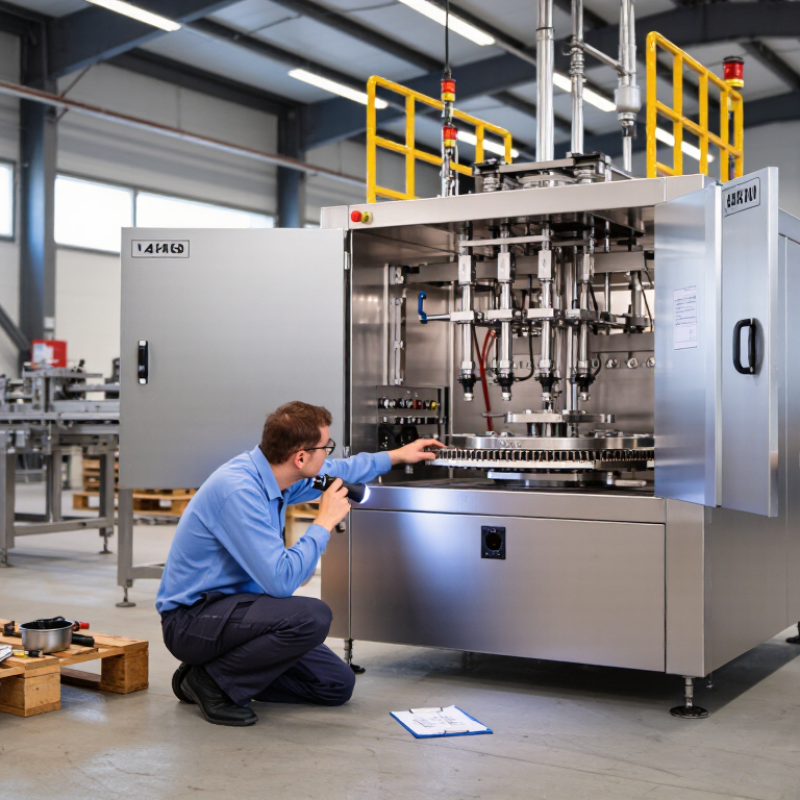
Begin with the machine switched off and isolated from power. Look for cracked guards, bent frames, oil leaks, and worn belts. Check the control panel for loose buttons or damaged cables. A clean exterior is helpful, but it proves little about internal condition. Ask to see service records and note any repeated repairs. Missing paperwork is not always a deal-breaker, though it should prompt closer questions.

Then run the equipment with the materials and container sizes you expect to use. Watch several complete cycles, not just one polished demonstration. Check fill levels, seal quality, label placement, and the rate of jams. Listen for grinding, uneven vibration, or air leaks. Small faults matter. Record the line speed and compare it with the seller’s claims, allowing time for changeovers and routine adjustments. If possible, test at your normal operating pace.

Pay attention to startup and shutdown, too. Do settings remain stable after a short run? Are adjustments clear, or does the operator have to guess? I would bring a sample product and a simple checklist, even if it feels overly cautious. A test under ideal conditions can still hide problems. Ask what parts need replacing soon, and price those items before agreeing to buy. A machine that runs today may still need work before it fits your line.

Review Terms, Arrange Delivery, and Plan Installation

When buying used packaging equipment, review the sale terms before arranging payment. Ask for the machine’s model, age, operating hours, service records, and known faults in writing. Confirm what the price includes, such as spare parts, manuals, or testing. Clarify whether the seller permits an inspection under power. A short video can help, but it cannot replace a hands-on check. Used machines may have wear that is difficult to spot.

Agree on delivery details before the equipment leaves its current site. Confirm who handles disconnection, loading, transport, insurance, and unloading. Measure doorways and floor clearances at your facility; a machine that fits on paper may still meet a narrow turn or low beam. Record its weight and lifting points, then arrange suitable handling equipment. Delivery delays happen. Leave some flexibility in the schedule.

Plan installation with a qualified technician familiar with the machine type. Check electrical supply, air pressure, floor strength, guarding, and line connections against the equipment documentation. Budget time for alignment, safety checks, and trial runs with your actual packaging materials. Small adjustments can take longer than expected, especially when older manuals are incomplete.

Tips: Photograph the machine before dispatch, label loose parts, and keep a written list of agreed repairs. Save room in the schedule for surprises.

How to Buy Used Packaging Equipment? — Review Terms, Arrange Delivery, and Plan Installation

Stage What to Review Practical Action Record or Acceptance Check
Define the production need Packaging format, product characteristics, required output, container or material dimensions, and available utilities. Compare the machine’s documented capabilities with the product and packaging materials you intend to run. Written specification covering product, package dimensions, target rate, and site requirements.
Confirm machine identity and condition Model and serial identification, age if documented, operating hours if available, maintenance history, and known faults. Request current photographs, maintenance records, and a list of included parts and accessories. Verify the machine in person or through an independent inspection where practical. Inspection notes, photographs, identified defects, and an agreed list of included items.
Witness a test run Startup, operating sequence, alarms, controls, guarding, and performance with representative packaging materials where possible. Agree on the test conditions in advance, including the product or material used and what constitutes a successful demonstration. Signed test record noting settings, observed issues, and whether the agreed test was completed.
Review the sale terms Purchase price, payment milestones, taxes, delivery responsibility, included services, cancellation terms, and the point at which risk transfers. Put the agreed terms in writing. Clarify whether the sale includes disconnection, loading, export preparation, or installation; do not assume these are included. Signed agreement identifying responsibilities, costs, deadlines, and the condition in which the equipment will be supplied.
Check documentation and compliance Available manuals, electrical diagrams, maintenance records, safety information, and documentation required for the equipment’s intended location. Ask for documents before purchase and have a qualified local professional assess applicable electrical and machinery-safety requirements. Document inventory and a list of any missing information or required upgrades.
Plan removal and loading Machine weight and dimensions, center of gravity where known, lifting points, access routes, and removal constraints at the seller’s site. Arrange qualified lifting and rigging support. Confirm who disconnects utilities, prepares the machine, and supplies lifting equipment. Written removal plan, site access details, assigned responsibilities, and confirmed loading date.
Arrange transport and delivery Transport method, load dimensions and weight, route or access limits, insurance, delivery appointment, and unloading arrangements. Give the carrier accurate machine measurements and confirm that the receiving site has suitable access and unloading equipment. Transport booking, delivery window, insurance details, and named contacts at both locations.
Prepare the installation site Floor capacity and condition, machine footprint, access for movement, utility connections, ventilation, and required service clearances. Check the site against the machine drawings and utility specifications before dispatch. Have qualified personnel prepare electrical and other connections. Site-readiness checklist completed before delivery, including access, utilities, and placement location.
Install and commission Leveling and anchoring requirements, reconnection, guarding, safety devices, control setup, and operator training needs. Use competent technicians for installation and commissioning. Verify safety functions before production use. Commissioning record listing completed checks, outstanding work, and training provided.
Complete final acceptance Operation against the agreed specification, product and package quality, repeatable performance, and resolution of documented defects. Run an agreed acceptance test using representative materials and record results before closing any payment milestone tied to acceptance. Signed acceptance or punch list with owners and due dates for any remaining issues.
Packaging machine ROI calculator

Need help figuring out if packaging automation is right for your business?


First, start with the numbers. Download our free packing machine ROI calculator to learn how long it will take for an investment in automation to pay for itself (and much more).


Free packaging automation ROI calculator