


What Is a Knitting Machine and How Does It Work?

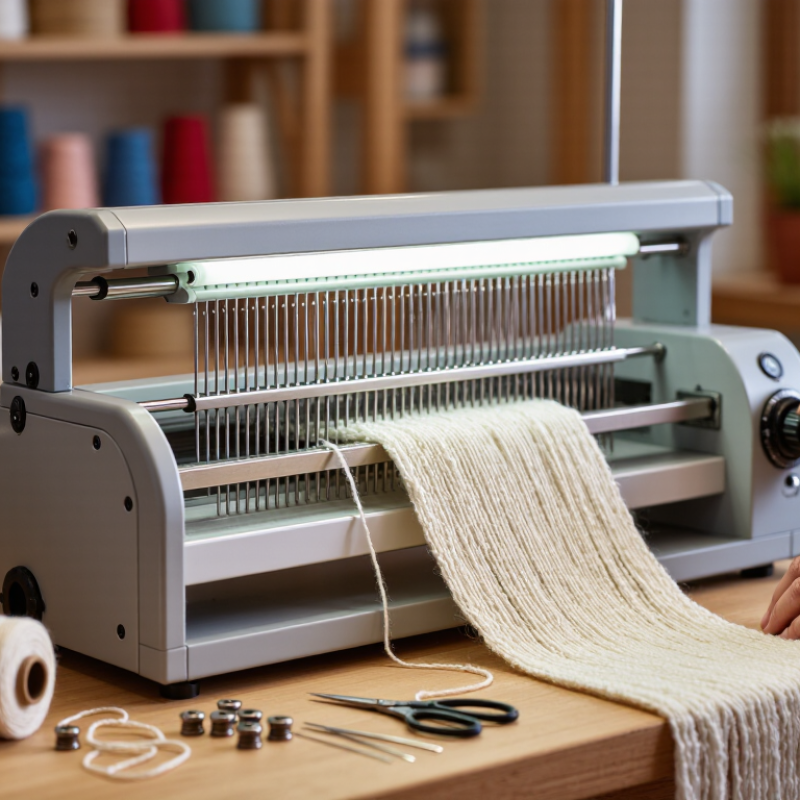
A knitting machine is a compact textile tool that forms loops with rows of needles. It can produce fabric faster and more evenly than hand knitting. Yet speed does not remove skill. The knitter still chooses yarn, sets tension, selects needle size, and watches every row. A small mistake can create dropped stitches, uneven edges, or a fabric that feels too stiff.

Knitting educator Diana Sullivan explains, “The machine knits the stitches, but the knitter controls the fabric.” This idea captures the machine’s real purpose. A carriage moves across the needle bed, while cams raise and lower selected needles. The yarn feeder guides yarn through the open hooks. As the carriage passes, new loops form and old loops release. Some machines use punch cards or electronic patterns. Others depend entirely on manual needle selection.

The process looks mechanical. It is not completely automatic. Yarn tension may shift near the edge. A delicate strand may catch on a needle. Even experienced users sometimes misread a row and continue too far. That imperfection matters because machine knitting rewards careful observation. This guide will explain the main machine types, their parts, operating principles, suitable yarns, and practical limits. It will also consider whether a knitting machine truly saves time for beginners. The answer is less simple than product descriptions suggest. A machine can make a sweater panel in minutes, but finishing, shaping, repairs, and learning still require patience.
What Is a Knitting Machine and How Does It Work?

Knitting Machines Defined: Flat-Bed, Circular, and 3D Systems

What Is a Knitting Machine and How Does It Work?

A knitting machine forms fabric by feeding yarn through needles, hooks, or rotating elements. Unlike hand knitting, it controls many loops at once. The result can be faster and more uniform, although setup still demands patience. I have found that yarn tension often matters more than speed. A loose feeder can create dropped stitches, while excessive tension makes the fabric stiff.

Flat-bed machines use a straight row of needles. They produce flat panels for scarves, sweaters, collars, and shaped sections. Needle selection determines stitch patterns, increases, and decreases. Their open structure makes manual adjustments relatively easy. However, edges may curl, and beginners sometimes underestimate the need for careful finishing.

Circular machines arrange needles around a cylinder, creating tubes with fewer seams. They suit hats, socks, sleeves, and other rounded forms. As the needle bed rotates, each needle catches yarn and pulls a new loop through the previous one. Some circular systems can also knit flat pieces with specialized movement. The process feels simple until yarn feeding becomes uneven.

3D knitting systems take digital instructions further. They can shape garments during production, reducing cutting and sewing. These systems manage stitch density, dimensions, and multiple construction zones with precise programming. The technology is impressive, but not effortless. A small measurement error can affect the entire garment. Material behavior also changes with fiber type, moisture, and tension, so digital settings still need physical testing. A screen cannot replace a sample swatch.
Needles, Latches, and Cams: The Mechanics Behind Loop Formation

What Is a Knitting Machine and How Does It Work?

A knitting machine forms fabric through repeated loops, not crossed strands. Its needle bed holds many latch needles in a straight or circular arrangement. Each needle has a hook and a small hinged latch. The latch matters. It helps capture yarn and release an older loop without manual knotting.

As the carriage moves, cams guide individual needles along precise paths. A rising needle carries its old loop below the latch. The hook catches newly fed yarn, then the needle descends. The old loop slides over the closed latch and drops behind the hook. The new yarn stays on the needle as the next stitch. This motion happens quickly, row after row.

Small changes affect the result. Loose yarn can create uneven loops, while excessive tension may pull stitches too tightly. In practice, I watch the yarn feed, listen for rough carriage movement, and check the first few rows by hand. A needle may look fine yet catch intermittently. I have also found that uneven casting on can distort an entire edge. That mistake is easy to overlook. Accurate cam settings, clean needles, and steady yarn tension make loop formation more reliable, although fabric behavior still varies with yarn structure and stitch design.

What Is a Knitting Machine and How Does It Work? - Needles, Latches, and Cams: The Mechanics Behind Loop Formation

Component or Concept Primary Role Mechanical Action Effect on Loop Formation Typical Result
Needle Holds and moves the working yarn Moves vertically through controlled paths in the needle bed Positions the hook to receive, pull through, or release yarn Creates one stitch position per active needle
Hook Catches the yarn Receives yarn while the needle rises or moves into knitting position Forms the new loop that will be pulled through the previous loop A new stitch is prepared for knitting
Latch Controls access to the needle hook Swings open when the hook picks up yarn and closes as the old loop passes over it Allows the new loop to pass through while preventing the old loop from catching on the hook A completed knit stitch
Needle Bed Supports and aligns the needles Keeps needles in evenly spaced channels Maintains consistent stitch spacing across a row Uniform fabric width and alignment
Cam System Directs needle movement Guides needle butts through shaped tracks as the carriage or cam assembly moves Determines whether needles knit, tuck, slip, or remain inactive Different stitch structures and pattern effects
Carriage Moves the cam system across the needle bed Travels from one side to the other and engages selected needles Coordinates the timing of needle rise, yarn capture, and loop draw-through One knitted row for each programmed or guided pass
Yarn Feeder Presents yarn to the needles Keeps the yarn near the needle hooks during carriage movement Provides the strand needed to form each new loop Continuous yarn feeding with controlled placement
Sinker or Holding Element Stabilizes the fabric and loops Holds down or supports the knitted edge while needles draw new loops Helps prevent unintended lifting of existing stitches More stable loop formation and fabric control
Tension System Regulates yarn resistance Applies controlled resistance as yarn travels toward the feeder Influences how tightly each loop is drawn Consistent stitch size and fabric density
Stitch Size Control Sets the amount of yarn drawn into a stitch Changes the depth or distance that needles travel during loop draw-through Adjusts loop length and therefore fabric tightness Smaller settings generally produce denser fabric; larger settings produce looser fabric
Knit Action Forms a standard stitch The needle rises, catches yarn, and draws the new loop through the old loop Replaces the old loop with a new loop A conventional knitted stitch
Tuck Action Holds an additional yarn segment on a needle The needle receives yarn without immediately drawing it through the existing loop Builds extra yarn into the stitch structure A thicker or more textured area
Slip Action Moves a needle without forming a new loop The existing loop remains on the needle while the needle passes through the operating path Interrupts loop formation at selected positions Patterned floats, textures, or color effects
Transfer Action Relocates an existing loop A loop is moved from one needle to another, often using coordinated needle positions Changes stitch placement without necessarily adding a new loop Shaping, openwork, cables, or decorative structures
Basic Loop-Formation Sequence: The carriage guides the needles through the cam paths; the needles rise, the latches open, the yarn is presented to the hooks, and the needles draw new loops through the existing loops. As the needles descend, the latches close and the completed stitches remain on the needle stems.

Gauge and Needle Density: How 2.5–18 Needles per Inch Affect Fabric

What Is a Knitting Machine and How Does It Work?

A knitting machine forms fabric by moving needles along a needle bed. Each needle holds a loop of yarn. A carriage passes across the bed and creates new stitches. The process is faster and more even than hand knitting. However, the machine still needs careful yarn tension and accurate settings.

Gauge describes needle density, usually measured by needles per inch. A 2.5-needle-per-inch machine has wide spacing. It creates thick fabric with large, visible stitches. This gauge suits bulky yarn, warm sweaters, blankets, and textured panels.

An 18-needle-per-inch machine has very close needles. It produces fine, compact fabric for lightweight garments, socks, and delicate details. The fabric feels smoother and usually drapes more softly.

Small changes matter. A 7-needle-per-inch setting may create a balanced middle-weight fabric. Yarn thickness, fiber elasticity, and stitch size can still change the result. A machine’s gauge is not a complete fabric recipe. Knit a small test swatch before making the full piece. Measure its width after washing and drying. This step reveals unexpected shrinkage or stretching.

I used to treat needle density as the only decision. That was too simple. A finer gauge may look elegant, but it can resist thick yarn and slow your work. A wider gauge may knit quickly, yet leave unwanted gaps. Choose the density by fabric purpose, yarn behavior, and the hand feel you actually want.

The Knitting Cycle: Yarn Feeding, Loop Transfer, and Stitch Release

What Is a Knitting Machine and How Does It Work?

The knitting cycle begins when a feeder guides yarn toward a row of needles. Each needle rises, catches the yarn, and pulls it through an existing loop. This action creates a fresh loop while the old loop stays controlled. Yarn tension must remain steady. A loose feed can cause uneven stitches or dropped loops.

Loop transfer changes the fabric’s structure. A transfer mechanism moves a loop from one needle to another. This supports shaping, ribbing, openings, and textured patterns. In flat knitting, transfer often happens across a needle bed. In circular knitting, needles work around a cylinder. The International Textile Machinery Federation reported 29,678 new large Circular Knitting Machines shipped in 2023. That figure shows the scale of industrial demand, though machine shipments do not measure fabric quality.

Stitch release follows when the needle lowers and the previous loop slips over the new one. Take-down rollers then pull the fabric downward at a controlled speed. Too much pull creates a thin, stressed fabric. Too little pull can crowd the needles. The cycle looks precise, but yarn rarely behaves perfectly.

Tips: Check yarn tension, needle movement, and take-down pressure together. A small adjustment can change the whole panel. Textile Exchange reported global fiber production reached 124 million tonnes in 2023, increasing pressure for efficient material use. Still, efficiency is not automatically quality. Inspect the fabric under light, and question irregular loops before changing machine settings.

Industrial Speed Benchmarks: Why Circular Machines Reach 1,200 RPM

What Is a Knitting Machine and How Does It Work?

Industrial Speed Benchmarks: Why Circular Machines Reach 1,200 RPM

A knitting machine forms fabric by guiding yarn through needles and creating connected loops. In a circular machine, needles move around a cylinder instead of across a flat bed. This layout supports continuous production of tubes, jersey fabric, and other knitted structures. The cylinder rotates while cams control each needle’s rise, hold, and descent. Small timing errors can create dropped stitches or visible lines.

Some industrial circular machines approach 1,200 revolutions per minute. That figure describes cylinder speed, not finished fabric length. Multiple knitting systems work around the cylinder, so many loops form during each revolution. A 1,200 RPM setting can therefore produce high output without asking one needle to make every stitch alone. Actual speed depends on gauge, diameter, yarn type, stitch size, and fabric design. Fine yarns may require gentler settings. Thick or uneven yarns can punish an aggressive speed choice.

On a production floor, technicians watch yarn tension, needle wear, vibration, and temperature. A digital tachometer verifies speed, while fabric checks reveal problems that numbers miss. The machine may reach 1,200 RPM, yet poor loop formation can waste the gain. Speed targets are useful, but they are not universal performance promises. A slower run may deliver better fabric and fewer stops. That trade-off deserves honest review. Clean cams, aligned feeders, and timely needle replacement help preserve stable operation.

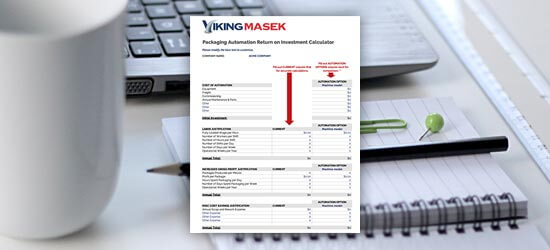
Packaging machine ROI calculator

Need help figuring out if packaging automation is right for your business?


First, start with the numbers. Download our free packing machine ROI calculator to learn how long it will take for an investment in automation to pay for itself (and much more).


Free packaging automation ROI calculator