


Top Feather Meal Processing Machine Manufacturers

Feather Meal Processing Machine manufacturers serve a growing poultry sector, where feathers must be converted into a stable, usable protein ingredient. FAO’s World Food and Agriculture—Statistical Yearbook 2023 documents global livestock and poultry production, providing useful context for the scale of by-product streams. It does not rank equipment suppliers. That distinction matters. Buyers should assess manufacturers through verifiable engineering details, not market claims alone.

David L. Meeker, a rendering-industry specialist and editor of Essential Rendering, has described rendering as “the original recycling industry.” His observation points to the practical goal: recover value while controlling moisture, odor, and product consistency. In a feather meal line, hydrolysis, drying, grinding, and conveying all affect the final meal. A blocked discharge or uneven drying can turn a promising specification into a costly rework. Small details count.

This guide introduces leading manufacturers and the questions buyers can ask before choosing a Feather Meal Processing Machine. Compare capacity claims with documented operating conditions. Check construction materials, heat control, maintenance access, and available service support. Ask for references from plants processing similar volumes. A polished brochure is not a factory test. Public information also varies widely, so some comparisons remain imperfect; disclose that uncertainty rather than treating every supplier claim as equal evidence.
Top Feather Meal Processing Machine Manufacturers

What Feather Meal Processing Machines Do

Top Feather Meal Processing Machine Manufacturers

What Feather Meal Processing Machines Do

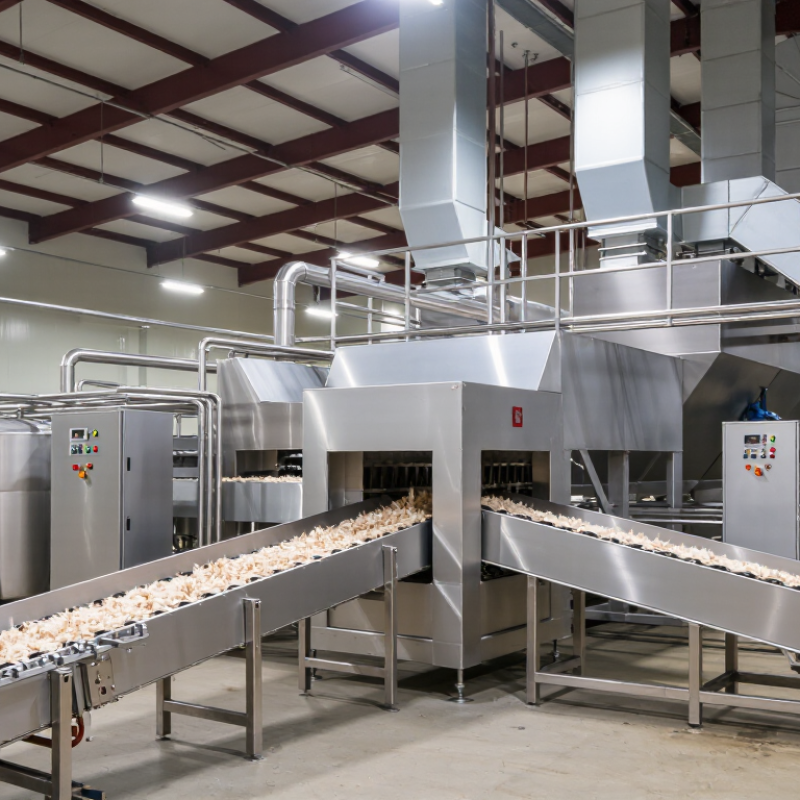
Feather meal processing machines turn cleaned poultry feathers into a dry, ground ingredient. A typical line includes equipment for feeding, hydrolysis, drying, and milling. Each stage affects the final material.

In the hydrolyzer, heat and pressure help soften the feathers’ tough keratin structure. This makes them easier to digest and process further. The treated material then enters a dryer, where moisture is reduced. A mill breaks the dried product into smaller particles, while screens help keep the particle size more consistent. Not complicated, but each step matters.

Operators monitor temperature, pressure, moisture, and machine flow. Poor control can leave wet clumps or uneven particles, even when the equipment appears to run normally. Dust collection and accessible cleaning points also support safer, more reliable operation. These details are easy to overlook. A processing line does not guarantee uniform meal by itself; maintenance and routine checks still matter. There is no perfect setup for every facility, so capacity, incoming feather condition, and available space should guide equipment selection.

Top Feather Meal Processing Machine Manufacturers - What Feather Meal Processing Machines Do

Processing Stage Machine Type What It Does Material or Result Key Process Considerations
Raw material preparation Feather cutter or size-reduction unit Reduces long feathers into shorter, more manageable pieces before thermal treatment. Cut feathers with a more consistent size for feeding and processing. Equipment should be suitable for fibrous material and designed to limit blockages.
Feeding and transfer Screw conveyor or enclosed feeder Moves feathers between preparation equipment and the hydrolysis system at a controlled rate. A steady feed of feathers into the next processing stage. Enclosed conveying can help contain loose material and reduce spills.
Hydrolysis Pressure hydrolyzer or batch cooker Uses heat, moisture, and pressure to treat keratin-rich feathers and make the material more suitable for meal production. Hydrolyzed feather material. Time, temperature, pressure, moisture, and loading need to be managed according to the equipment design and process requirements.
Moisture removal Rotary, disc, or other industrial dryer Removes moisture from treated material to produce a drier intermediate or finished meal. Dried feather material ready for size reduction or further handling. Drying conditions should be controlled to achieve the required final moisture without unnecessary heat exposure.
Grinding Hammer mill or other industrial mill Breaks dried material into smaller particles to create a more uniform meal. Ground feather meal. Screen selection and mill settings influence particle size; dust control is an important consideration.
Particle-size control Vibrating or rotary screener Separates particles by size and can return oversize material for additional grinding. Meal with a more consistent particle-size distribution. Screen openings should match the intended product specification and downstream handling needs.
Finished-product handling Storage bin, hopper, or packaging system Receives and stores finished meal or transfers it to a weighing and packaging station. Feather meal ready for bulk handling or packaging. Equipment should support clean, controlled transfer and protect the product from moisture contamination.
Air and dust management Dust-collection system Captures airborne particles generated during conveying, grinding, screening, and transfer. Collected process dust and improved control of airborne material. Collection points and filters should be selected for the process layout and applicable workplace requirements.

How Feather Meal Processing Systems Work

Feather meal processing begins with sorting, not the pressure vessel. Operators remove foreign material, drain excess water, and feed feathers into a sealed hydrolysis unit. Steam, pressure, and controlled residence time disrupt keratin’s tough structure. Too little treatment can leave protein poorly digestible; excessive heat can damage amino acids. The balance matters.

After hydrolysis, the material is dried, milled, and screened into a consistent powder. Moisture checks help prevent storage problems, while laboratory testing verifies protein and other quality measures. Feedipedia, a feed database developed by INRAE, CIRAD, AFZ, and FAO, reports crude protein near 85% of dry matter for feather meal, with substantial variation among samples. That range is a reminder: a machine’s output depends on raw material and process control, not capacity alone. Small samples tell a useful story.

One awkward reality: feathers do not arrive uniformly clean or dry. Operators may need to adjust loading and cycle settings from batch to batch. A well-designed line makes those adjustments measurable, with temperature records, pressure gauges, and clear sampling points. The numbers matter. So does maintenance. Worn seals or uneven steam distribution can quietly produce inconsistent meal before anyone notices the change in the finished powder.

Leading Feather Meal Processing Machine Manufacturers

Leading Feather Meal Processing Machine Manufacturers

Leading feather meal processing machine manufacturers focus on consistent hydrolysis, drying, and grinding rather than headline capacity alone. Feather moisture and batch size can vary, so a dependable line needs adjustable controls and clear operating limits. Look for documented tests using material similar to yours. Ask how the manufacturer checks temperature, pressure, and final moisture. Small details matter. A well-sealed vessel and accessible inspection points can make routine cleaning safer and easier.

Manufacturers with practical process experience should explain the full workflow, from raw feather preparation to finished meal handling. Request a layout showing feed points, discharge routes, and dust-control connections. Discuss spare parts, operator training, and maintenance intervals before comparing prices. These details affect downtime. Be cautious of capacity claims without test conditions; actual throughput depends on moisture, equipment configuration, and operating practice. No system is perfect, and a technically impressive machine may still need adjustments after installation.

Tips: Share a representative sample and your target output before requesting a quotation. Ask for process data, not promises. If possible, observe a production trial and inspect the meal’s texture and moisture. Keep one question open: how will the line perform when raw material changes?

How Manufacturers Differ in Technology and Production Capacity

Top Feather Meal Processing Machine Manufacturers differ less by the size of a machine than by how well each stage works together. A hydrolyzer must deliver steady heat, pressure, and residence time to treat variable feather loads. Cookers and dryers then need enough capacity to prevent bottlenecks. Small details matter: wet material clinging to a conveyor can disrupt an otherwise smooth shift.

Capacity claims need careful reading. Some manufacturers quote raw-material input, while others emphasize finished meal output. These figures are not interchangeable; moisture, feather condition, and operating hours all affect production.

Ask how a proposed line performs with your typical feedstock, and request details on energy use, cleaning access, and wear-part replacement. Good answers are specific. Vague promises are not.

Control systems also vary: basic monitoring may suit a simple line, while automatic temperature and pressure records can help operators spot process drift. Yet automation cannot fix poor equipment layout or inconsistent maintenance.

No spec sheet captures every bad day. That is worth remembering. Compare demonstrated process results and service support, not just rated capacity or polished factory photos.

How to Evaluate a Feather Meal Processing Machine Manufacturer

To evaluate a feather meal processing machine manufacturer, inspect repeatable operating data, not polished capacity claims. FAO’s 2024 Food Outlook puts global meat production at roughly 360 million tonnes, illustrating the scale of animal by-product streams. That figure is context, not proof of local demand. Ask for a witnessed run using your feather mix, with throughput, moisture, steam pressure, energy use, and downtime recorded.

Check product quality against recognized feed specifications. AAFCO’s Official Publication sets minimums of 75% crude protein and 75% pepsin digestibility for hydrolyzed poultry feathers. Request independent results from several batches, plus sampling details and test methods. One sample is not enough. Inspect the hydrolyzer’s pressure controls, seals, temperature sensors, and clean-out access; uneven hydrolysis can leave hard fragments and inconsistent digestibility.

Ask for reference installations, maintenance intervals, spare-part lead times, and operator training details. Compare energy and water use per tonne, not motor ratings alone. Request a performance guarantee based on agreed feedstock and acceptance tests. A checklist can still miss feather variability; that blind spot deserves attention. During a site visit, observe raw-material handling and finished-meal sampling, then speak with operators—not only sales staff.

Packaging machine ROI calculator

Need help figuring out if packaging automation is right for your business?


First, start with the numbers. Download our free packing machine ROI calculator to learn how long it will take for an investment in automation to pay for itself (and much more).


Free packaging automation ROI calculator
