


Top Flame Laminating Machine Manufacturers and Suppliers
Selecting reliable Top Flame Laminating Machine Manufacturers and Suppliers requires more than comparing prices or glossy brochures. A dependable Flame Laminating Machine should deliver stable bonding, even flame treatment, and repeatable output across long production runs. In practical factories, small details matter. The flame should remain steady. Fabric edges should not curl. Operators need clear controls and quick access to maintenance points. These factors influence production quality, worker safety, and long-term operating costs.
This guide examines manufacturers and suppliers through measurable criteria, including engineering experience, material compatibility, production capacity, quality inspection, and after-sales support. Strong companies usually provide technical drawings, machine testing records, installation guidance, and replacement-part availability. They should also explain burner design, temperature control, line speed, gas requirements, and emergency shut-off systems. Independent certifications and customer references can strengthen confidence, but documents require careful checking. Paperwork alone proves little.
Real-world performance matters more.
Buyers should request sample trials using their actual fabrics, foams, films, or automotive materials. A machine that performs well in a showroom may behave differently during continuous operation. Ask about adhesive strength, surface uniformity, energy consumption, and cleaning intervals. Supplier communication also reveals expertise. Vague answers may signal future problems. Still, no manufacturer is perfect, and even an experienced supplier can misunderstand a demanding application. A clear technical specification reduces that risk. This overview aims to help purchasing teams compare reputable global providers with practical judgment, not exaggerated promises. Safety procedures, trained operators, compliant installation, and regular inspections must remain part of every responsible purchasing decision.
What Is a Flame Laminating Machine?
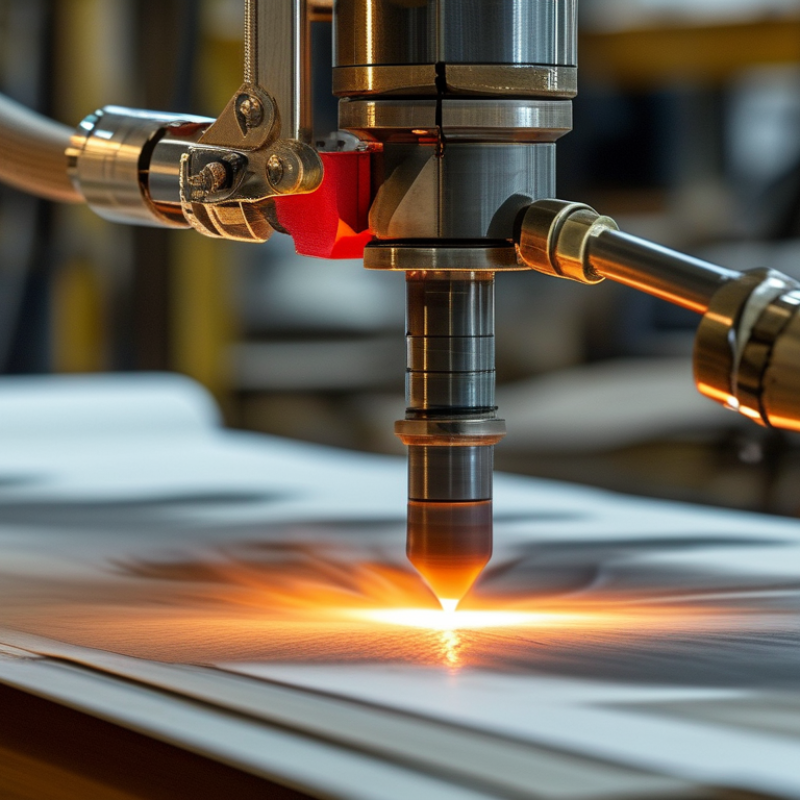
A flame laminating machine bonds two materials through controlled heat from an open flame. Unlike adhesive lamination, it usually softens the surface of a polymer foam layer. The softened surface then joins with fabric, film, foil, or another flexible substrate under pressure. It is not ordinary gluing.
In practical production, the foam passes over a burner before entering a pressure roller. Flame height, gas flow, line speed, and roller pressure must stay balanced. Too much heat can shrink, scorch, or weaken the foam. Too little heat may create poor bonding and visible edge lifting. Operators often check peel strength, surface appearance, thickness, and bond consistency during each production run. Small changes matter. A humid workshop, uneven foam density, or a worn roller can affect results.
When evaluating flame laminating machine manufacturers and suppliers, buyers should examine burner control, emergency shutoff systems, exhaust design, roller adjustment, and maintenance access. Technical training and clear operating records are equally important. A machine may perform well during a demonstration yet struggle with a different foam grade. That limitation deserves honest testing. Trial runs should use the buyer’s actual materials, production speed, and required width. The most reliable decision comes from measured samples, not impressive claims.
How Flame Laminating Machines Work
Top Flame Laminating Machine Manufacturers and Suppliers
How Flame Laminating Machines Work
Flame laminating machines bond two materials by activating a surface with controlled heat. A gas burner passes over a polymer film, foam, or coated fabric. The flame changes the surface energy without fully melting the material. This microscopic change helps adhesive spread and grip more evenly. The treated web then meets a second layer at the nip rollers. Controlled pressure joins both surfaces while the laminate moves through the cooling section. Line speed, burner distance, gas flow, and roller pressure must stay balanced. Even a small adjustment can affect peel strength, wrinkles, or surface damage.
Reliable suppliers normally provide technical trials, operating data, and maintenance guidance. Ask for test results using your actual materials. Laboratory settings may not match factory conditions. Sensors can monitor flame stability, web tension, and temperature, but operators still need practical judgment. A stable flame does not guarantee a perfect bond. Humidity, dust, uneven coating, and material age can change the result. This is where careful records become valuable. Production teams should test bond strength after cooling, not immediately after lamination. That detail is easy to overlook.
Key Features of Leading Manufacturers
Leading flame laminating machine manufacturers focus on process stability, not impressive brochures alone. Their equipment should deliver even flame treatment across fabric, foam, film, or synthetic leather. A steady burner supports consistent bonding and reduces weak spots. Adjustable gas control is essential when materials change during production.
Experienced suppliers provide precise line-speed controls and clear temperature monitoring. Operators need readable displays, quick adjustments, and accessible components. Automatic ignition, flame detection, and emergency shutoff systems improve workplace safety. Reliable manufacturers also test these functions repeatedly before shipment. Small defects spread quickly.
Strong suppliers offer trial laminations using the customer’s actual materials. This practical step reveals problems that standard samples may hide. They should provide installation guidance, maintenance schedules, and responsive technical support. Spare parts availability also matters during long production runs. No machine is flawless. Even experienced teams may overlook adhesive buildup near rollers or uneven material tension. Honest suppliers document these risks and help operators correct them. Their quality records, inspection procedures, and training materials show whether performance claims can be trusted.
Top Flame Laminating Machine Manufacturers and Suppliers - Key Features of Leading Manufacturers
| Supplier Category | Typical Equipment Scope | Compatible Materials | Typical Working Width | Indicative Line Speed | Key Technical Features | Compliance and Service Evidence to Request |
|---|---|---|---|---|---|---|
| Standard Industrial Flame-Lamination Supplier | Single- or double-flame laminating lines for continuous textile and foam bonding. | Polyurethane foam, knitted fabrics, woven fabrics, nonwovens, mesh, and selected synthetic leather. | 1,600–2,400 mm | Approximately 10–40 m/min, depending on foam density, fabric construction, and bonding requirements. | Adjustable flame height, independent gas-pressure control, synchronized unwind and rewind, edge alignment, and emergency shut-off. | Request machine guarding details, burner safety documentation, risk-assessment records, CE documentation where applicable, and a production trial using the buyer’s materials. |
| High-Throughput Textile Lamination Supplier | Automated continuous lines designed for large-volume upholstery, apparel, mattress, and interior-textile production. | Foam-backed textiles, polyester and nylon fabrics, automotive fabrics, upholstery cloth, and lightweight technical textiles. | 2,000–3,200 mm | Approximately 25–60 m/min for suitable material combinations and stable process conditions. | Recipe-based controls, automatic tension regulation, closed-loop speed control, web inspection options, and production data monitoring. | Request documented output tests, energy-consumption data, spare-parts availability, operator training, remote diagnostics, and preventive-maintenance schedules. |
| Flexible Modular-Line Supplier | Configurable systems combining flame lamination with coating, slitting, embossing, or additional unwinding stations. | Foam, fabric, film, foil, felt, nonwoven materials, and multilayer flexible substrates subject to flame-activation testing. | 1,000–3,000 mm | Approximately 8–45 m/min, based on the selected modules and material structure. | Modular layout, quick-change tooling, multiple unwind positions, adjustable nip pressure, and future expansion capability. | Request a complete layout, utility requirements, interface specifications, changeover-time estimates, warranty terms, and confirmation of software and control-system support. |
| Specialty Automotive and Technical-Textile Supplier | Precision flame-lamination equipment for demanding appearance, dimensional-stability, and repeatability requirements. | Automotive trim fabrics, headliner materials, acoustic textiles, filtration media, and engineered nonwovens. | 1,800–2,800 mm | Approximately 12–35 m/min, with speed selected according to bonding strength and surface-quality targets. | High-precision tension control, process-data recording, flame monitoring, automatic fault alarms, calibrated pressure control, and repeatable recipes. | Request quality-control plans, traceability functions, process-capability data, material test reports, safety validation, and documented acceptance criteria. |
| Compact and Custom-Build Supplier | Compact machines and application-specific systems for laboratories, pilot production, and small-to-medium production volumes. | Narrow-width fabrics, foam laminates, sample rolls, specialty textiles, and development materials. | 600–1,600 mm | Approximately 3–20 m/min, depending on the design and material combination. | Small footprint, simplified operation, low material waste, manual or semi-automatic controls, and adaptable roll-handling arrangements. | Request dimensional drawings, electrical-load information, burner certification, operator-safety procedures, spare-parts lists, and local installation support. |
Note: Working widths and line-speed figures are indicative industry ranges rather than claims about any specific manufacturer. Actual performance depends on foam density, substrate construction, gas type, flame settings, bonding strength, machine configuration, and required quality standards.
How to Compare Flame Laminating Suppliers
Top Flame Laminating Machine Manufacturers and Suppliers
Comparing flame laminating suppliers requires more than checking machine prices. Start with the materials you actually laminate, such as foam, fabric, film, or synthetic leather. Ask each supplier to run your samples under recorded conditions. Measure bonding strength, surface appearance, line speed, and material waste. Ask for evidence.
A capable supplier should explain flame height control, burner design, web tension, and exhaust requirements in practical terms. Request technical drawings, utility specifications, maintenance schedules, and safety documentation. Certifications matter, but they do not replace a controlled factory trial. Check whether the proposed machine supports your production width and future capacity. A low-cost model may become expensive if spare parts take weeks to arrive.
Supplier experience is easier to judge through detailed case records and customer references from similar applications. Ask how operators are trained and how faults are diagnosed remotely. Confirm response times, warranty coverage, installation support, and the availability of consumable parts. A reliable supplier should discuss limitations openly, including materials that may wrinkle, scorch, or bond unevenly. That honesty is valuable.
Do not rely on polished demonstrations alone. Request a written trial report with settings, results, and rejected samples. I would also compare energy use over a realistic production shift, not just during a short test. My own comparison checklist would remain imperfect, because factory conditions change. Still, documenting each assumption makes weak promises easier to identify.
How to Compare Flame Laminating Machine Suppliers
This supplier comparison framework uses a 100-point evaluation model covering the factors most relevant to flame lamination projects. Higher scores indicate greater purchasing importance, helping buyers compare suppliers consistently without relying on brand names.
Evaluation dimensions: machine performance, production efficiency, material compatibility, safety, service support, customization, and total cost of ownership.
Applications, Safety, and Maintenance Considerations
Top Flame Laminating Machine Manufacturers and Suppliers
Applications, Safety, and Maintenance Considerations
Flame laminating machines bond films, foams, fabrics, and flexible sheets through controlled surface activation. They support packaging, automotive interiors, protective textiles, insulation, and technical material production. In packaging lines, operators often adjust flame intensity to match coating weight and substrate speed. Textile converters may need softer bonding, while foam laminators require careful heat control. The process is not forgiving. Uneven exposure can cause weak adhesion, discoloration, or surface damage.
Safety depends on disciplined daily checks. Operators should verify gas connections, flame sensors, emergency stops, guards, and ventilation before production. Keep hands and loose clothing away from rollers. Never bypass an interlock. A clean air path helps prevent unstable combustion and unexpected odors. Training should include shutdown procedures, leak response, and safe handling of hot surfaces. Local workplace requirements should guide inspections and protective equipment choices.
Maintenance begins with a written schedule, not a last-minute repair. Clean burner openings, filters, ducts, and sensor areas at planned intervals. Inspect rollers for adhesive buildup, scoring, and uneven pressure. Check thermocouples and flame controls for reliable readings. Record temperatures, line speeds, material batches, and bond results. If adhesion declines, inspect alignment before increasing flame intensity. Small adjustments often solve the problem. A recurring shop-floor lesson is that visual checks miss hidden wear. Leaving inspections until failure may save minutes today, but it can create longer downtime tomorrow.


