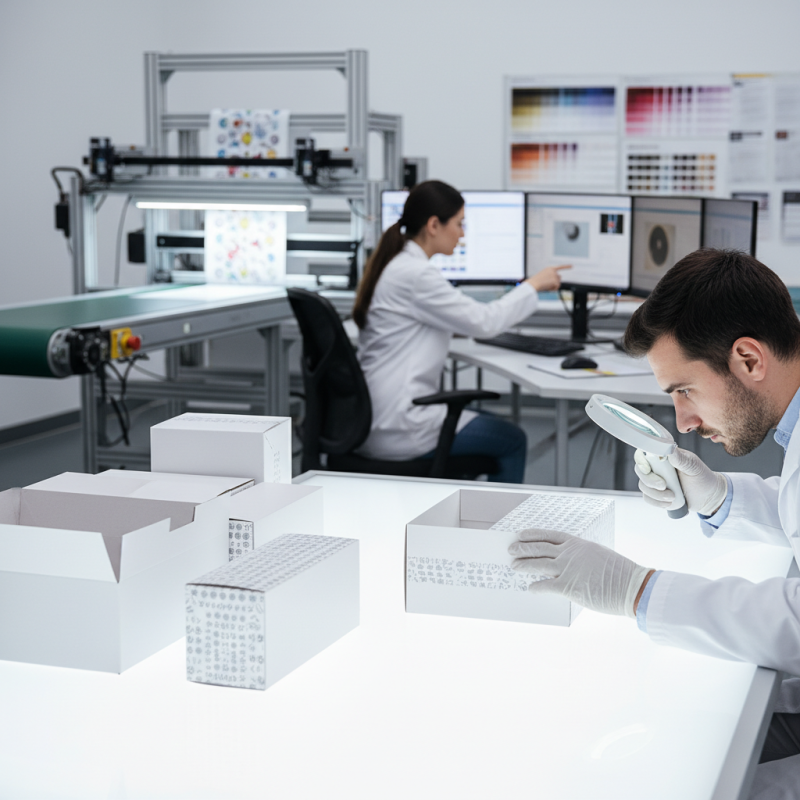
Why is Print Inspection Essential for Quality Control?
Print Inspection plays a critical role in maintaining product quality. In any printing process, flaws can occur, compromising the final product. These flaws may be subtle but can significantly affect customer satisfaction.
Proper inspection methods help detect errors early. Whether it’s color mismatches or blurry text, catching these issues is crucial. Many companies underestimate print inspection, which often leads to costly reprints and dissatisfied clients. This oversight can harm a brand's reputation.
Implementing a robust print inspection system is essential. It not only ensures consistency but also enhances efficiency. With technology advancing, automated inspection systems are now available. However, human oversight remains vital to catch the nuances that machines might miss. Quality control is an ongoing journey, and print inspection is a key part of that process, demanding continual reflection and improvement.
The Role of Print Inspection in Ensuring Product Quality Standards
Print inspection plays a vital role in maintaining product quality standards. It ensures that every printed item meets the required specifications. Quality inspections identify flaws or inconsistencies in color, text, and design. This process helps to avoid costly errors that can escalate further down the production line.
In many cases, print defects are subtle but significant. A slight color shift can distort a brand image. Missing text can lead to misunderstandings. Regular print inspections help catch these issues early. They provide a checkpoint to evaluate overall quality. Inspections also foster accountability among production teams. Each member learns the importance of their role in the quality process.
However, print inspection is not always flawless. Human error can occur during manual checks. Automation systems may overlook nuanced defects. Relying solely on technology can lead to complacency. It’s essential to combine both methods for the best outcomes. Continuous training and awareness can improve inspection accuracy and maintain high standards. Quality control must evolve as printing technology advances.
Industry Statistics on Print Defects and Their Impact on Profitability
In the world of printing, defects can significantly affect profitability. Statistics reveal that nearly one in five printed materials include noticeable errors. This can range from misalignment to color discrepancies. Such flaws do not just ruin appearances, they also damage client relationships. In a competitive market, even minor defects can lead to lost contracts.
The financial impact is substantial. Companies often see a reduction in repeat business due to unsatisfactory quality. Additionally, the cost of reprints and wasted materials adds up. Studies indicate that rectifying defects can consume up to 20% of a company’s operational budget. This unnecessary expenditure directly bites into profit margins.
Reflecting on this, it’s clear that print inspection must be prioritized. Many companies overlook the importance of this process. Regular audits can help spot recurring issues before they escalate. Yet, some still choose to gamble on quality, which often leads to disappointing outcomes. Addressing these flaws proactively can save both time and money. Ignoring inspections might seem cost-effective, but the long-term consequences tell a different story.
Impact of Print Defects on Profitability
This chart illustrates the frequency of different types of print defects, emphasizing the importance of print inspection in maintaining quality control and safeguarding profitability.
Technological Advances in Print Inspection for Enhanced Accuracy
In today's printing industry, technology plays a crucial role in ensuring quality. Print inspection systems have evolved significantly. They now utilize advanced algorithms and AI for better accuracy. These systems can detect imperfections that the human eye often misses. Colors, alignment, and material defects can be identified in real-time. This shift enhances overall productivity and reduces waste.
Implementing print inspection technology can be daunting. Businesses may fear high upfront costs. However, investing in reliable systems often leads to long-term savings. Quality control can improve, thus increasing customer satisfaction. Remember, consistently monitoring print quality can prevent bigger issues down the line.
Tip: Regularly update your inspection software. Outdated programs may miss critical defects. Staying current is key. Also, ensure your team is trained to operate these systems effectively. Even the best technology requires skilled hands. Effective print inspection transforms potential flaws into opportunities for growth.
Comparative Analysis: Manual vs. Automated Print Inspection Methods
Print inspection plays a crucial role in ensuring quality control in various industries, including packaging and manufacturing. A comparative analysis of manual and automated print inspection methods reveals significant differences. Manual inspection relies on human eyes to spot defects, which can be subjective. Reports indicate that humans can miss up to 30% of print defects due to fatigue or oversight.
On the other hand, automated print inspection systems utilize advanced technology. They can detect minute flaws that might escape human attention. According to industry data, automated systems can achieve over 95% accuracy in defect detection. This high level of precision reduces waste and reprinting costs. However, these systems do require significant initial investment and ongoing maintenance.
The transition to automation also presents challenges. Not all facilities have the budget for cutting-edge technology. Some may struggle to train staff on new systems. Balancing these factors is essential for companies aiming to enhance their print quality. Striving for perfection in print inspection must consider both manual and automated approaches, as each has its merits and limitations.
Case Studies on Successful Implementation of Print Inspection Systems
Print inspection technologies have transformed quality control in various industries. Successful implementations showcase their impact on reducing errors. For instance, one company in the packaging sector faced frequent color mismatches on their products. They adopted a print inspection system, which used high-resolution cameras. These cameras scanned every item in real-time. Errors were detected instantly, leading to a 30% drop in production waste. This case highlights how effective monitoring can enhance product quality.
In another example, a label manufacturer struggled with misalignment of prints. Errors often went unnoticed during manual checks. They invested in automated print inspection systems. The results were transformative. Misalignments were flagged immediately, preventing costly reprints. The company also improved efficiency, as staff spent less time on quality checks.
However, some initial challenges arose, like adjusting the system to their specific needs. This required ongoing training and adjustments. Such instances remind us that technology alone isn’t enough; human oversight remains crucial.