What is a Roll Lamination Machine and How Does It Work?
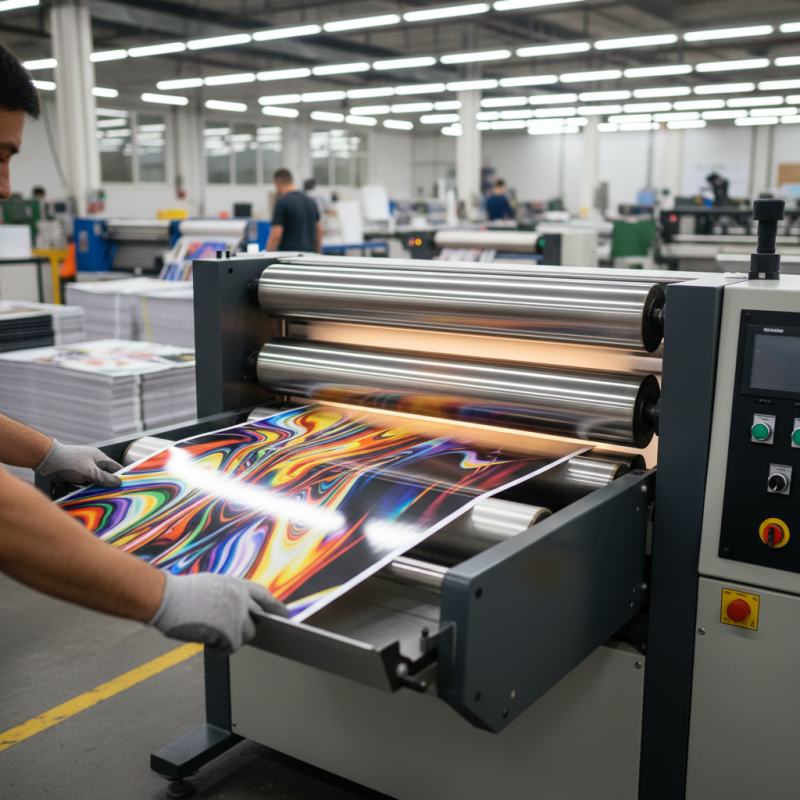
The Roll Lamination Machine plays a crucial role in various industries. This equipment bonds layers of materials using heat and pressure. Its design is simple yet effective. Operators feed materials into the machine, which then processes them.
Using a Roll Lamination Machine, you can achieve durability and protection for a range of products. For instance, it is widely used for packaging, signage, and graphic arts. The machine enhances the quality of the final product, adding a polished finish.
However, not all users fully understand its operation. Misunderstandings can lead to inefficiencies. Common mistakes include incorrect material placement and improper settings. Addressing these issues is essential for optimal performance. Regular training and awareness can improve results over time.
What is a Roll Lamination Machine? An Overview of Its Purpose
A roll lamination machine is designed for applying protective films and layers to various substrates. This equipment is widely used in industries such as packaging, signage, and printing. The primary goal is to enhance durability and appearance. It accomplishes this by feeding materials through rollers that apply the lamination film evenly.
These machines come in diverse sizes and configurations. Some are manual, while others are fully automatic. Operators must understand how to set the right pressure and temperature. These factors can significantly affect the final product. It’s often a trial-and-error process to find the optimal settings.
**Tip:** Always conduct a few test runs before starting a bulk project. This can help identify any potential issues early. Consistency is key in lamination, and adjusting the machine correctly can save material and time.
Operators should also monitor the film quality during the process. Issues like bubbling or wrinkling can occur if not managed properly. Paying attention to these details helps maintain a high standard of work.
**Tip:** Keep a maintenance log for your machine. Regular checks can prevent unexpected breakdowns. Machines can be temperamental, and being proactive can keep the workflow smooth.
What is a Roll Lamination Machine and How Does It Work?
| Dimension | Specification | Function |
| Lamination Thickness | 0.2mm - 0.8mm | Provides durability to materials |
| Roll Diameter | 250mm - 1000mm | Determines the size of laminated products |
| Speed | 5m/min - 20m/min | Efficiency in laminating processes |
| Power Consumption | 2kW - 10kW | Energy efficiency of the machine |
| Weight | 500kg - 2000kg | Stability during operation |
Understanding the Components of a Roll Lamination Machine
A roll lamination machine is crucial in various manufacturing processes. It comprises several key components that facilitate its operation. The main parts include rollers, a heat source, and a control panel. Rollers press the materials together, ensuring a secure bond. The heat source activates the adhesive, allowing for effective lamination.
The rollers vary in size and material, influencing the quality of the product. Some machines have adjustable rollers for different thicknesses. The control panel monitors the temperature and speed. However, the calibration can be challenging. Many users report inconsistencies in temperature settings, leading to imperfect laminations.
Understanding each component is vital for optimal operation. Users often overlook maintenance, causing wear and tear. Regularly checking the rollers and heat source can prevent issues. An underperforming machine can disrupt production timelines. Keeping an eye on these details might save both time and resources. The learning curve can be steep, but attention to detail pays off.
Roll Lamination Machine: Production Capacity by Year
The Roll Lamination Process: Step-by-Step Breakdown
The roll lamination process is essential in various manufacturing sectors. It involves a few vital steps that enhance product durability and functionality. Initially, materials are positioned between two rolls. These rolls apply heat and pressure. This generates adhesion, ensuring layers bond well together.
After positioning, the machine heats the materials. Temperatures can exceed 300 degrees Fahrenheit, making safety crucial. Operators must monitor both the heat and pressure levels. Inconsistent settings might lead to defects or inadequate bonding. This can increase waste and production costs, which are significant concerns in the industry. Reports indicate that faulty lamination can lead to a 15% increase in material usage.
Finally, once the materials have passed through the rolls, they cool down. Proper cooling is crucial to maintain integrity. Industry surveys show that 40% of companies experience issues with cooling patterns. These challenges can impact the quality of the final product. Reflection on these processes reveals that attention to detail is vital but often overlooked. Continuous improvement is necessary for better outcomes, making the roll lamination process an ongoing journey.
Applications of Roll Lamination Machines in Various Industries
Roll lamination machines play a crucial role in various industries. These machines are used to apply a protective layer to different materials. The laminating process enhances durability and aesthetic appeal. Many manufacturers utilize roll lamination for packaging, signage, and product protection.
In the packaging sector, roll lamination machines contribute significantly. According to industry reports, the global packaging market is expected to grow by 3.5% annually. This growth drives demand for efficient lamination processes. Laminated materials offer moisture resistance and increased shelf life. This is essential for food and consumer goods.
Another key application is in the signage industry. Roll lamination enhances the longevity of banners and posters. Laminated signage stands up better to weather conditions. It helps retain vibrant colors and graphics. This leads to better customer engagement and brand visibility.
Tip: Regular maintenance of your roll lamination machine can prevent costly downtime. Invest in quality materials to ensure optimal results. Always test your laminated products to assess quality before large-scale production. Aim for consistency, but don't fear trial and error in the process—each attempt provides learning opportunities.
Efficiency and Benefits of Using Roll Lamination Technology
Roll lamination technology offers numerous efficiency benefits for various industries. This technique involves sealing two or more layers of material together using heat and pressure. The result is a durable product that can withstand wear and tear. These machines enhance productivity, as the process requires less manual intervention compared to traditional methods.
In terms of efficiency, roll lamination reduces material waste. This is crucial for manufacturers looking to optimize costs. By utilizing this technology, businesses can produce high-quality laminated products at a faster rate. However, improper calibration of the machine can lead to inconsistent results, highlighting the need for regular maintenance and attention to detail.
Moreover, the versatility of roll lamination expands its applications. From packaging to construction, it serves various sectors effectively. Yet, not all materials respond well to lamination. Some may require extensive pre-treatment. This can complicate the process and impact overall efficiency. Therefore, understanding material compatibility is essential for achieving the best outcomes.