What Is Sachet Packaging Used For?
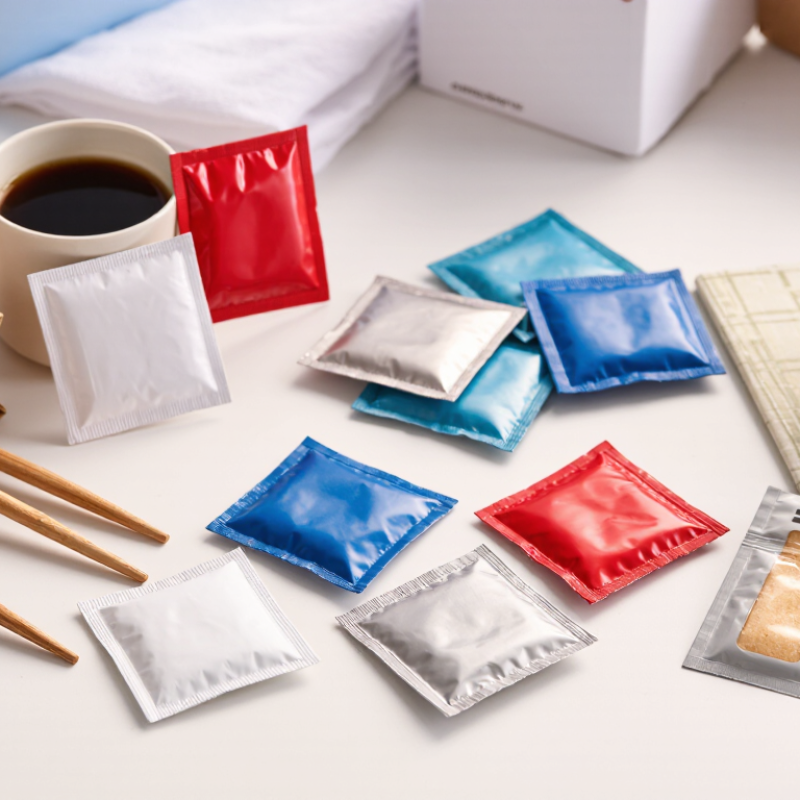
Sachet Packaging is used to portion products into compact, sealed pouches that are easy to carry, store, and open. You may see it around a café: a small packet of sugar beside a cup, or a single serving of sauce tucked into a takeaway bag. The same format appears in personal care, with shampoo samples, and in dry goods such as drink powders. Small portions. Less to carry.
For brands, sachets can offer a practical way to provide samples or measured amounts without requiring a full-size container. Their lightweight structure may also reduce packaging material per portion, although the actual impact depends on the material, product, and disposal options. There is no universal sachet. Some use layers designed to resist moisture, oxygen, or light; others prioritize easy opening or compatibility with filling equipment. Those choices matter. A poorly matched film can affect product freshness, sealing, or usability.
The right design starts with the product’s needs, not just the pouch’s appearance. Manufacturers typically consider portion size, storage conditions, barrier performance, seal strength, and how customers will open and use the pack. Product testing helps confirm that the package performs as intended over its stated shelf life. Still, a sachet is not automatically the most sustainable choice. The small format can be convenient, but it may be difficult to recycle where suitable collection systems are unavailable. Understanding these trade-offs makes it easier to judge what sachets are used for—and when another package may work better.
What Sachet Packaging Is and How It Works
A
sachet is a small, flexible pouch designed to hold a measured amount of a product. It is commonly made from thin film or a laminate combining plastic, paper, or metal layers. Each layer has a job: one may provide strength, while another helps limit moisture, oxygen, or light. The exact structure depends on what the sachet contains and how long it needs to stay fresh.
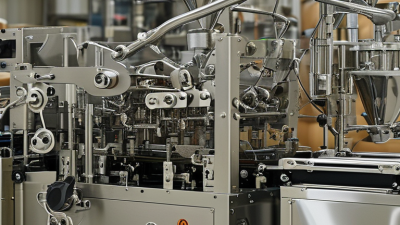
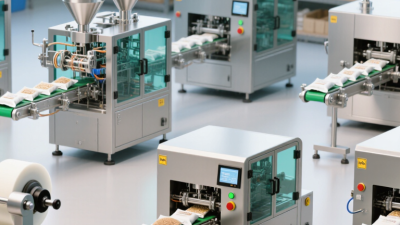
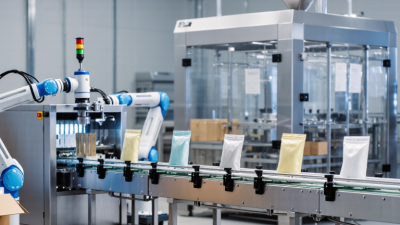
On a packaging line, a roll of material is shaped into pockets, filled, and sealed with heat or pressure. Powders need controlled filling to reduce spills; liquids need seals that resist leaks. Small details matter. A wrinkle across a seal can weaken it, so operators check seal quality and fill consistency during production.
Sachets may include a tear notch for easier opening, though a notch does not guarantee a clean tear. They are useful for samples, travel portions, and products meant for one-time use.
Still, no package is perfect. Multi-layer materials can be difficult to sort for recycling, and opening one may leave a small amount inside. Choosing a sachet means balancing portion control, product protection, ease of use, and disposal.
Common Products Packaged in Sachets
Sachets are small sealed packets used for single portions, samples, and products that need controlled dispensing. In kitchens, they commonly hold ketchup, soy sauce, sugar, salt, instant coffee, and powdered drink mixes. Dry foods can be portioned with little measuring, while sauces fit neatly beside a takeaway meal. Some sachets use layered films to help limit moisture or oxygen exposure, but the needed protection depends on the product.
Personal-care sachets often contain shampoo, conditioner, lotion, or facial cleanser. They give travelers a compact option and let shoppers try a product without buying a full-size container. Powdered face masks and hair treatments also suit sachets because their contents stay separate from water until use.
Small, tidy portions. Household products, including laundry detergent and surface-cleaning liquid, may be packed this way for measured use. The package must match the formula: a seal that works for dry powder may not prevent a liquid from leaking. Sachets are not automatically the better choice, though. Their small size can make sorting and recycling difficult, and opening one cleanly is sometimes harder than it looks. A torn corner, a little spilled powder, and the portion is no longer exact.
Industries That Use Sachet Packaging
What Is Sachet Packaging Used For?
Industries That Use Sachet Packaging
Sachets serve industries that need small, measured portions in lightweight packs. Food producers use them for sauces, seasonings, instant coffee, sugar, and condiments. A tear notch lets diners open a packet beside a takeaway meal. Powders may need moisture barriers, while sauces need seals that resist leaks. The material must suit the product, not just the format.
Personal-care and hospitality businesses use sachets for shampoo, lotion, sunscreen, and hand cleanser in hotels, travel kits, and sample sets. Healthcare manufacturers may package powders or creams in sealed, single-use sachets, where dose consistency and clear labeling matter. Household-care companies use them for detergent, cleaning concentrates, and refills. Gardening products, such as measured plant nutrients, can also benefit from portioned packs.
They are practical. Still, small packs can create more packaging waste per serving, and recycling options vary by material and location. That trade-off deserves attention. Sachets make the most sense when portability, hygiene, or portion control solves a real need.
How Sachets Provide Convenient Single-Use Portions
A sachet is a small, sealed pouch designed to hold one measured portion. It can contain powdered drink mix, a condiment, a skincare sample, or another product used in a small amount. Tear notches make opening quick, while printed serving instructions help users measure less by guesswork. Handy at a desk, in a travel bag, or beside a café counter. Just enough for one use.
Portion control is useful when a full-size package would be inconvenient or prone to going stale after opening. Sachets also let manufacturers offer samples without asking customers to buy a larger container.
The Flexible Packaging Association’s 2024 State of the U.S. Flexible Packaging Industry report valued U.S. flexible-packaging sales at $42.9 billion in 2023; this figure covers the wider sector, not sachets alone.
Small does not automatically mean sustainable. Many sachets combine thin material layers to protect contents from moisture, oxygen, or light, but those layers can complicate recycling. That trade-off deserves scrutiny.
Good design matches the barrier to the product, uses reliable seals, and avoids excess material where practical. A sachet can make dosing simple, though its single-use format may create more packaging per serving.
Materials and Formats Used for Sachet Packaging
What Is Sachet Packaging Used For?
Sachet packaging uses small, sealed pouches to hold measured amounts of products. The material depends on what is inside and how long it must stay fresh. A dry seasoning may need protection from moisture, while a lotion sachet must resist leaks and remain easy to squeeze.
Common structures combine paper, plastic films, or a thin aluminum layer. Paper gives a natural look but usually needs a barrier lining. Plastic laminates can help block moisture and air. Foil offers stronger protection from light and oxygen, though it can make recycling more difficult. Some newer designs use a single type of plastic to simplify sorting, but performance still depends on the product and local recycling facilities. There is no perfect material for every use.
Formats also shape how a sachet works. Three-side-seal pouches have three sealed edges and one filling opening; four-side-seal packs seal all edges around the contents. Slim stick packs suit powders poured into a cup, while wider sachets can hold creams or liquids. Tear notches help with opening, but they do not always tear neatly. Small detail, real impact. Seal strength, filling equipment, and product thickness all affect the final design. A pouch that looks simple may need careful testing to prevent leaks or clumping.
What Is Sachet Packaging Used For?
Typical Materials and Layer Counts
These are representative sachet material structures, with the bar showing the number of layers in each example. Sachets are commonly used for single portions of products such as food, personal-care items, and household products. The exact structure varies according to the product and its protection needs.