Why Is Talcum Powder Controversial and What Are Its Risks?
talcum powder has been widely used for personal care and hygiene. Many people rely on its softness and absorbent qualities. However, recent controversies have sparked concerns over its safety. A growing body of research points to potential health risks associated with talcum powder.
The main issue lies in the possibility of contamination with asbestos. This naturally occurring mineral is known to cause serious health problems. Prolonged exposure to asbestos can lead to various diseases, including cancer. Reports have surfaced linking talcum powder use to such risks, creating alarm among users. Many wonder if the benefits outweigh these dangers.
As the debate continues, consumers face tough choices. The market is filled with alternatives, but many still prefer talcum powder. This choice often comes with significant uncertainties. It’s essential to remain informed and critically evaluate the products we use daily. Understanding these risks may lead to more cautious consumption.
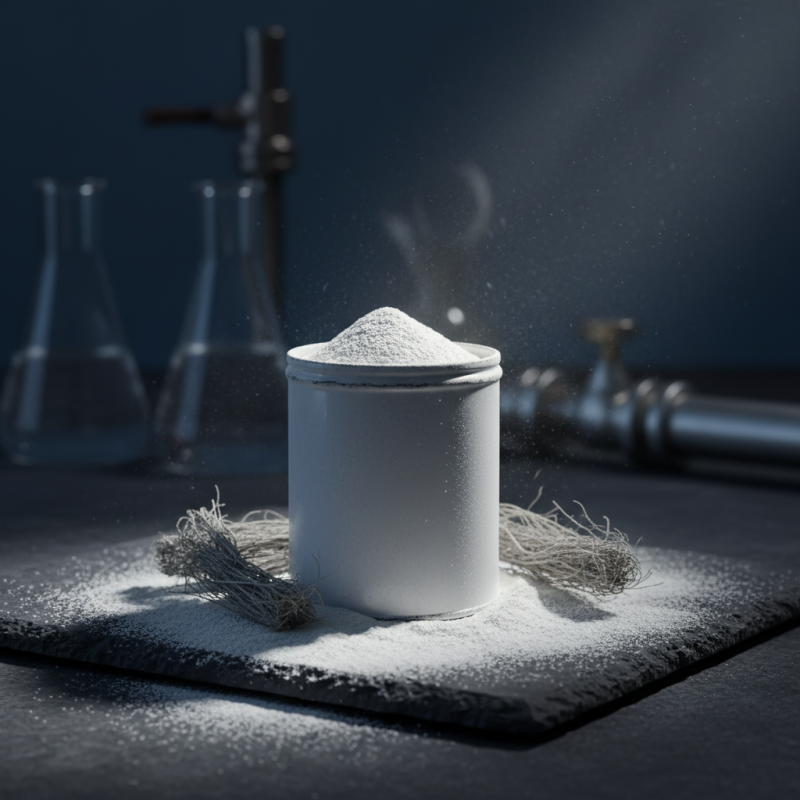
The History of Talcum Powder and Its Usage in Personal Care Products
Talcum powder has a long history in personal care products. It has been used for decades to absorb moisture and reduce friction. Many people apply it after bathing or to keep skin dry. According to the American Academy of Dermatology, about 24% of adults use talcum powder regularly. However, the safety of talcum powder has come into question in recent years.
Research has indicated potential risks associated with using talcum powder, especially when applied in the genital area. Some studies suggest a possible link between talcum powder and ovarian cancer. The International Agency for Research on Cancer, a part of the World Health Organization, classifies talc as possibly carcinogenic. This classification has sparked debates and concerns among users.
Tips: If you choose to use talcum powder, look for products specifically labeled as talc-free. Consider natural alternatives like cornstarch, which can be safe and effective. Always keep the product away from direct application in sensitive areas. Reflect on your personal care choices. Is talc truly necessary in your routine? Each individual’s health journey is unique.
Usage of Talcum Powder in Personal Care Products (2010-2020)
This chart shows the estimated usage of talcum powder in personal care products over a decade, highlighting the trends and potential risks associated with its use.
Understanding Talc: Composition and Natural Occurrence in the Earth
Talc is a mineral that is commonly found in nature. It is composed primarily of magnesium, silicon, and oxygen. This unique combination gives it soft, slippery properties, making it useful in various applications. Talc forms in metamorphic rocks, often alongside other minerals. It's commonly mined in places like the United States, India, and Brazil.
However, the natural occurrence of talc isn’t without concern. Some deposits may be contaminated with asbestos, a proven carcinogen. This contamination can pose serious health risks when talc is inhaled or comes into contact with skin. Even though not all talc contains asbestos, the potential for contamination raises questions about its safety. It’s essential for consumers to be aware of where and how talc is sourced.
As consumers, we face a dilemma. Talc’s effectiveness in personal care products is well-known, yet the associated risks linger. The decision to use talc-based products should involve careful consideration. Understanding talc's composition and its natural occurrence is crucial for making informed choices. Awareness of these details empowers individuals to reflect on their usage of talc in daily life.
Health Risks Associated with Talcum Powder: Cancer Links and Studies
Talcum powder has sparked significant debate, primarily due to health concerns. Many studies have suggested links between talc and certain types of cancer, especially ovarian cancer. Talc is often mined near asbestos, a known carcinogen. This raises serious questions about purity.
Women using talcum powder in the genital area have faced increased risks. Research points to potential inflammation leading to abnormal cell growth. Yet, the findings are not entirely conclusive. Some researchers argue that more comprehensive studies are needed. Statistical data often varies widely, leaving room for doubt.
Additionally, the use of talc is not entirely risk-free. People may inhale talcum powder, which can lead to respiratory issues. These risks create a complex narrative. Many individuals still use talcum powder, unaware or unconcerned about the potential dangers. The ongoing research continues to challenge our understanding of this common product.
FDA Regulations and Safety Standards for Talcum Powder Products
Talcum powder has become a contentious topic in public health discussions. The FDA regulations surrounding talcum powder are aimed at ensuring safety. However, the standards they implement are often under scrutiny. The FDA does not specifically approve talcum powder products. Manufacturers conduct their own safety tests before selling their products.
Many reports show that talcum powder may contain traces of asbestos. This naturally occurring mineral is known to be carcinogenic. In 2020, a report indicated that 30% of analyzed talc products contained detectable asbestos levels. Such findings have raised safety concerns among consumers and health professionals.
Tip: Always check product labels. Some powders may contain ingredients that are not clearly disclosed. It’s vital to be informed about what you are using on your skin.
Despite regulations, the actual safety of these products can be uncertain. Not all talc-related risks are fully understood. There is ongoing research to evaluate long-term use effects. For some, this uncertainty can be distressing.
Tip: Consider alternative products. If you are concerned about talcum powder, there are many corn-starch-based powders available. These can provide similar benefits without the associated risks. Always prioritize what feels safe for you.
Consumer Awareness: Advocacy and Legal Cases Against Talcum Powder Use
Talcum powder has stirred a significant conversation among consumers. Many people remain unaware of the potential risks associated with its use. While some view it as a staple for personal care, others raise serious concerns. Legal cases have highlighted the connection between talcum powder and health issues, particularly cancer. This has led to increased advocacy for more transparency and consumer education.
Consumers need to understand the implications of using talcum powder. Research indicates possible links to respiratory problems, especially when inhaled. The presence of asbestos in some talc products adds another layer of risk. Advocacy groups push for better labeling and safer alternatives. Families have lost loved ones to diseases linked to talc. Their experiences fuel the call for change.
Even as public awareness grows, not everyone is informed. Some still rely on talcum powder without questioning its safety. There are safer options available, and this deserves consideration. An open dialogue is vital. People must reflect on their choices and demand products that prioritize health above all.
Why Is Talcum Powder Controversial and What Are Its Risks?
| Risk Factor | Description | Potential Health Outcomes |
| Asbestos Contamination | Talcum powder can be contaminated with asbestos, a known carcinogen. | Lung cancer, mesothelioma |
| Ovarian Cancer | Use of talcum powder on the genital area may increase the risk of ovarian cancer. | Ovarian cancer |
| Respiratory Issues | Inhaling talc can cause respiratory problems, especially in babies. | Pulmonary complications |
| Skin Irritation | Some individuals may experience skin irritation from talcum powder. | Rashes, allergic reactions |
| Regulatory Scrutiny | Talc products face increasing regulatory scrutiny due to health concerns. | Potential recalls, market withdrawal |