


10 Tips for Buying Drawstring Bags in Bulk
Buying Drawstring Bags in bulk can reduce unit costs, but only when the bags fit their intended use. A low quote may hide thin fabric, weak stitching, or cords that fray after a few pulls. Check samples in person. Fill them with the items they will actually carry, then test the seams and closures.
For a transparent expert-style perspective, this guide uses a fictional sourcing adviser, Daniel Mercer: “A bulk order is only a good deal when the sample performs like the promise.” The quote is illustrative, not a verified statement from a real industry professional. It reflects a practical purchasing principle: compare specifications and sample quality before committing to a large run.
The tips ahead cover fabric, dimensions, stitching, printing, color consistency, minimum order quantities, lead times, and supplier communication. Ask for written specifications, including material weight, bag measurements, cord type, and print placement. Request a production sample when possible. Keep the approved sample nearby during inspection; small differences can matter across hundreds of bags.
Look closely. Then compare costs. Consider storage space, packaging, and delivery dates, too. A lower price may not justify bags that arrive late or feel unsuitable for customers. Bulk purchasing still involves judgment, and one sample cannot reveal every production issue. Use clear requirements, ask direct questions, and leave time to review the finished order.
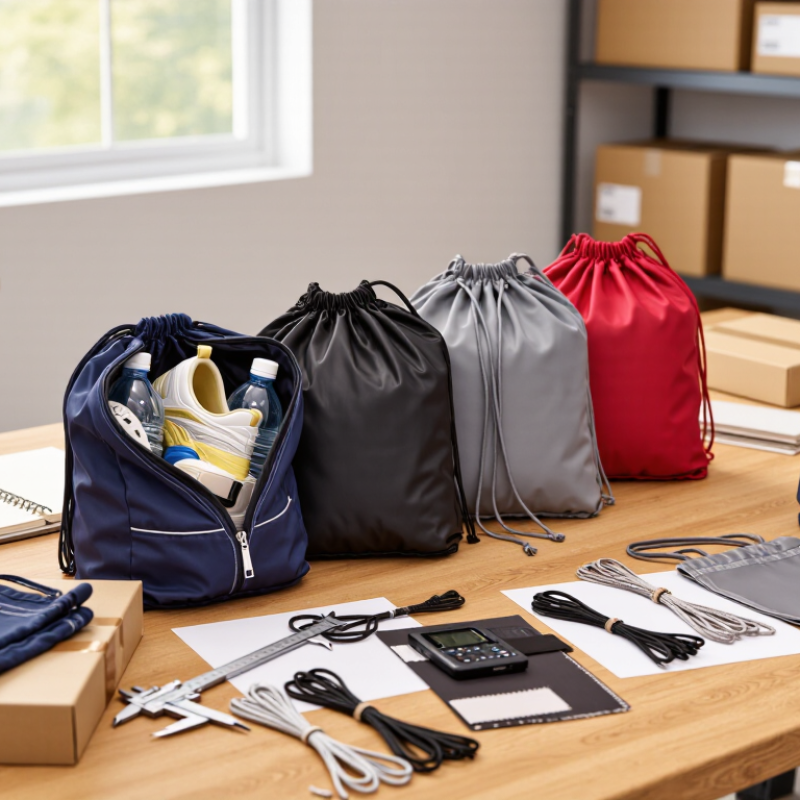
Define Your Bulk Order Requirements and Intended Use
Before requesting prices, write down what the bags need to do. A giveaway bag for a one-day event has different demands from a reusable bag carried every week. Estimate the quantity, then add a modest allowance for late registrations or damaged pieces. Not sure of the final count? Check recent attendance records instead of guessing from the room’s capacity.
Measure the items that will go inside. A notebook, water bottle, and folded shirt need more space than a flyer and pen. Note the bag’s width, height, handle length, and preferred material; a sample filled with typical items can reveal awkward proportions quickly. It is easy to over-specify. I would reconsider details like extra pockets unless users genuinely need them, since added features can affect price and production time. Also record where and when the bags will be used. Outdoor events may call for sturdier fabric, while indoor handouts might suit a lighter option. Keep the delivery date, budget range, and any artwork requirements in the same brief. Small details matter. One weak point in many order plans is forgetting storage space: several cartons can occupy more room than expected. Decide who will receive and check the shipment before placing the order.
Compare Drawstring Bag Materials, Sizes, and Construction
Material affects cost, feel, and how a bag handles repeated use. Polyester is lightweight and dries quickly, while cotton feels softer and may suit heavier items. Nonwoven polypropylene can keep costs down, but its surface and seams may show wear sooner with frequent use. Small details matter. Compare fabric weight and stitching, not just the material name.
Choose size based on what people will actually carry. Measure a filled sample, since a flat bag can look roomy but narrow once packed. A small pouch may hold a phone and keys; shoes or a folded sweatshirt need more width and depth. Allow extra space for the drawstring opening. I still find this easy to misjudge from catalog dimensions alone.
Construction deserves a close look before placing a bulk order. Check whether the cord channel is reinforced and whether the bottom seam lies flat under weight. Pull each cord several times; rough edges can catch or fray it. Feel the seams. Request samples in the intended material and size, then test them with typical contents. Ask how much dimensions may vary between production batches. A few millimeters can matter when bags need to fit a shelf or event kit. My own first estimate is not always right, so I compare the sample against the actual items before confirming quantities.
Evaluate Suppliers, Samples, and Quality Standards
A reliable bulk order starts with evidence, not a low quote. Ask suppliers for fabric composition, weight, dyeing details, and production tolerances in writing. Textile Exchange’s Materials Market Report 2024 estimates that global fiber production reached 124 million tonnes in 2023 and could rise to 160 million tonnes by 2030. That scale makes material traceability worth checking, especially when a supplier claims recycled content. Request supporting documentation and confirm that it matches the fabric used in your sample. Small details matter. A polished sample can still hide batch variation.
Test samples as if they were already in use. Load the bag with your intended items, pull the cords repeatedly, and inspect seam ends and stress points. Measure the bag flat, then compare several samples; small differences may affect packing or printed artwork. Ask whether the sample came from the same material and process planned for bulk production. If not, treat it as a design reference, not quality proof. Specify acceptable dimensions, stitching, color, and defect limits before approving production. For larger orders, agree on a documented inspection plan, such as sampling guidance under ISO 2859-1, and define who pays for rework when results fall short. One thing is easy to miss: a supplier’s certificate does not replace checking the actual goods.
Calculate Total Costs, Customization, and Delivery Timelines
10 Tips for Buying Drawstring Bags in Bulk
A low unit price can hide costs that change the real budget. Ask for an itemized quote covering bags, printing, setup, packing, freight, and any applicable duties. Then calculate the landed cost per usable bag, not just the factory price. A quote for 1,000 bags may still leave you short if rejects or event samples are not included. Small details matter.
Customization affects both price and timing. Confirm the bag’s finished dimensions, fabric weight, cord length, and print area before approving artwork. A large, multicolor design may need extra setup or a different printing method. Request a physical sample when color or fabric feel matters; screen images can be misleading. Check the sample against your actual items, too. It is easy to focus on the logo and overlook whether a bottle or booklet fits.
Delivery dates need the same careful calculation. Ask how long sampling, artwork approval, production, and shipping each take, and whether those estimates include weekends or holidays. Get the shipping method and dispatch date in writing. Build in a buffer for revisions or delays, especially before a fixed event. I would not treat a promised arrival date as guaranteed until the supplier confirms the schedule and shipping details. A little extra time costs less than rushed freight.
10 Tips for Buying Drawstring Bags in Bulk - Calculate Total Costs, Customization, and Delivery Timelines
Planning guide: The sample prices below are illustrative USD estimates for comparison, not supplier quotations. Each example shows how bag, printing, setup, freight, and any listed extras affect an order total.
| # / Buying Tip | Example Order | Customization to Confirm | Illustrative Cost Breakdown (USD) | Estimated Order Total | Planning Delivery Timeline |
|---|---|---|---|---|---|
| 1. Compare landed cost, not unit price | 1,000 cotton bags | One-color logo print; standard drawcord | Bags: $1,200; printing: $350; setup: $40; freight: $180 | $1,770 ($1.77 each) | About 10–20 business days for production, plus shipping time. |
| 2. Check the minimum order quantity | 500 nonwoven bags | One-color print; standard size and color | Bags: $210; printing: $75; setup: $35; freight: $120 | $440 ($0.88 each) | Allow roughly 10–20 business days for production, plus transit. |
| 3. Match the material to the intended use | 1,000 polyester bags | One-color print; confirm fabric weight and drawcord strength | Bags: $620; printing: $200; setup: $35; freight: $160 | $1,015 ($1.02 each) | Plan for 10–20 business days of production; transit varies by shipping method. |
| 4. Confirm finished dimensions | 1,000 cotton bags, approximately 14 × 18 in | One-color print; approve a size sample if fit is important | Bags: $950; printing: $300; setup: $40; freight: $175 | $1,465 ($1.47 each) | Allow 10–20 business days for production after artwork and specifications are approved. |
| 5. Price each print color and location | 1,000 polyester bags | Two-color, one-side print; extra print colors or locations may increase cost | Bags: $700; printing: $220; setup: $60; freight: $175 | $1,155 ($1.16 each) | Allow about 10–20 business days for production; complex artwork can add approval time. |
| 6. Approve artwork before production | 1,000 bags | One-color print; check print size, placement, colors, and proof spelling | Bags: $800; printing: $250; setup: $50; freight: $160 | $1,260 ($1.26 each) | Production timing normally begins after final artwork approval; budget extra time for revisions. |
| 7. Request a sample when details matter | 1,000 bags plus one pre-production sample | Check material feel, stitching, drawcord, print, and color against the proof | Bags: $650; printing: $200; setup: $35; freight: $175; sample: $35 | $1,095 ($1.10 each, including sample) | Sample approval may add several days or more before bulk production starts. |
| 8. Include packing and carton requirements | 2,000 bags | One-color print; add carton labels or individual packing if required | Bags: $960; printing: $320; setup: $40; freight: $300; packing: $80 | $1,700 ($0.85 each) | Allow 10–20 business days for production, plus the selected shipping transit time. |
| 9. Choose shipping based on the deadline | 1,000 bags with expedited freight | One-color print; confirm dispatch date and delivery address before booking | Bags: $750; printing: $200; setup: $40; standard freight: $180; expedited freight: $250 | $1,420 ($1.42 each) | Expedited transit may take about 5–10 business days after dispatch; production time is additional. |
| 10. Add a quantity buffer for rejects or late changes | Order 1,100 bags for a planned need of 1,000 | One-color print; verify whether overage or shortages are permitted in the order terms | Bags: $682; printing: $198; setup: $35; freight: $195 | $1,110 ($1.01 per ordered bag) | Keep a buffer for production and transit; confirm the delivery date in writing. |
Delivery note: Actual costs and timelines depend on material, dimensions, print method, order quantity, destination, customs, and shipping service. Ask for a written quote that identifies what is included, the production start point, and the estimated dispatch and arrival dates.
Confirm Order Terms and Inspect the Shipment
Before paying a deposit, confirm every order term in writing. Specify the bag’s finished dimensions, fabric weight, drawstring material, color, print placement, and agreed quantity. Ask how small production differences will be handled, since fabric can vary slightly between batches. Include the unit price, shipping method, expected dispatch date, and what happens if goods arrive damaged or short. Keep it in writing.
Tip: Request a dated final specification and approved sample reference. It is easy to assume “same as last time” means the same thing to everyone. It may not. Check whether the quoted price includes individual packing, labels, or replacement units; small omissions can affect the landed cost.
When the shipment arrives, inspect it promptly and compare the bags with the approved details. Count cartons first, then check a sample from different cartons for dimensions, stitching, cord length, color, and print alignment. Photograph crushed boxes and visible defects before unpacking everything. If the order is large, a quick glance is not enough. Record the carton numbers and contact the supplier within the agreed reporting period, attaching clear photos and the packing list. A few bags may look perfect while others reveal uneven seams.


