7 Tips for Choosing a Centrifugal Degasser
A Centrifugal Degasser can look simple on a specification sheet: a rotating bowl, a drive, and a stated flow rate. In service, the choice is less tidy. Fluid viscosity, gas content, temperature, and available installation space all affect performance. A unit that suits a clean, steady stream may struggle with a variable process or a fluid carrying fine solids. Small details matter. Check the inlet arrangement, access for cleaning, vibration limits, and how the unit will connect to existing pumps and piping.
The title’s seven tips will help readers compare equipment against actual operating conditions, not just brochure figures. They will also show what to ask suppliers about capacity, materials, maintenance intervals, and test data. A practical rule captures the point: “Choose for the process, not the product page.” This is an editorial summary, not a sourced quotation. No verifiable expert interview or quotation was provided, so attributing those words to a named specialist would be misleading. That gap matters. Good equipment decisions depend on evidence, and a confident-sounding quote is no substitute for measured results, clear assumptions, and a close look at the plant’s needs.
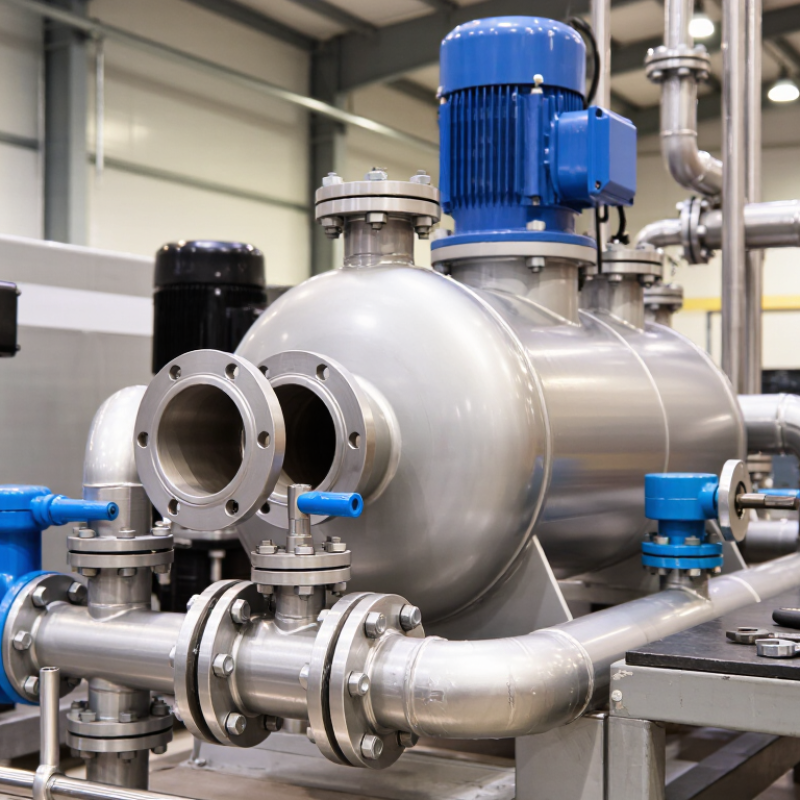
Define the Degassing Need and Operating Conditions
Before comparing centrifugal degassers, define what must leave the liquid: entrained bubbles, dissolved gas, or both. Set a measurable outlet target, such as residual dissolved-gas concentration, and record inlet gas loading and flow across normal operation and startup. Small details matter. NIST Chemistry WebBook data place carbon dioxide’s Henry solubility coefficient in water near 0.034 mol/(kg·bar) at 25°C; temperature and liquid composition affect the value. This is a useful reference, not a substitute for testing the actual process fluid.
Operating conditions shape separation performance. Record minimum and maximum flow, temperature, pressure, viscosity, solids, and any foaming tendency; include short surges, not only the comfortable average. The IAPWS 2008 viscosity formulation reports water at about 1.002 mPa·s at 20°C, a practical baseline for comparison. A viscous process liquid may behave quite differently. That is easy to overlook. Confirm whether pressure changes could release gas upstream or downstream, and sample the liquid under representative conditions. If the target is vague, equipment sizing becomes guesswork. Even good measurements can miss an unusual batch, so leave room to review assumptions against operating data.
Compare Centrifugal Degasser Types and Separation Methods
Centrifugal degassers differ in how they combine rotation, pressure, and liquid flow. Some rely mainly on centrifugal force; others add vacuum to improve gas release. In a rotating chamber, denser liquid moves outward while lighter gas separates toward a vent. Vacuum-assisted designs reduce pressure, helping entrained or dissolved gas escape. The trade-off is not always tidy: stronger vacuum can increase foaming in sensitive liquids.
Match the separation method to the process. For steady flow and moderate gas loads, a centrifugal-only unit may be adequate. For liquids carrying fine bubbles, or where dissolved gas matters, vacuum assistance may be worth evaluating. Check the liquid’s viscosity, temperature, flow rate, and expected gas content against the supplier’s test data. Small details matter. A stated capacity may change with operating conditions.
Look closely at rotor access, seals, vent routing, and cleaning requirements. Residue on a rotor can affect balance and separation, while a restricted vent can undermine performance. Ask how efficiency was measured and whether the test liquid resembles yours. A short trial with samples taken before and after treatment can reveal problems that a specification sheet misses. No single design suits every liquid.
Evaluate Capacity, Efficiency, and Fluid Compatibility
Capacity should match peak flow, not the average shown on a calm shift. For example, at a peak feed of 100 gallons per minute, a unit rated exactly at 100 gpm leaves little room for surges or changing gas loads. Check the equipment’s stated capacity against your actual fluid, pressure, and operating conditions; ratings from different test setups are not directly comparable. Numbers can mislead. Track inlet and outlet density under consistent sampling conditions, and record flow, temperature, and fluid properties with each reading. API Recommended Practice 13B-1 provides field procedures for measuring drilling-fluid properties such as density and rheology, giving operators a repeatable baseline for performance checks.
Efficiency depends on more than the separator’s rated throughput. Higher viscosity, fluctuating gas content, and entrained solids can affect separation, so ask for test data using fluid close to yours—not just clean water. Compare inlet and outlet readings over several operating points, including peak flow, and note any foaming or unstable discharge. Fluid compatibility matters just as much: confirm that wetted materials and seals tolerate the mud’s oil or water base, salts, treatment chemicals, and temperature. A small seal swelling during a trial can become a costly leak later. One detail is easy to miss: laboratory results may not predict field behavior when the feed changes by the hour. Keep that uncertainty visible in the selection record.
Review Installation, Controls, and Maintenance Requirements
A centrifugal degasser performs best when its installation matches the actual flow, gas load, and site layout. Check foundation rigidity, inlet and outlet alignment, vent routing, and drain access before purchase. Leave room to remove the rotor and reach seals without dismantling nearby pipework. The U.S. Department of Energy’s 2014 Improving Motor and Drive System Performance sourcebook estimates that motor-driven systems use about 68% of U.S. manufacturing electricity. That figure is not degasser-specific, but it highlights why motor sizing and control strategy deserve attention.
Tip 1: Confirm the design flow range.
Tip 2: Check foundation and nozzle alignment.
Tip 3: Provide safe access for inspection.
Tip 4: Specify speed control and clear alarms.
Tip 5: Verify interlocks for low flow or high vibration.
Tip 6: Ask how seals and bearings are replaced.
Tip 7: Request a written maintenance schedule.
Compare controls against real operating needs: operators should be able to read speed, pressure, and vibration at a glance. Confirm alarm limits with the supplier and document baseline readings during commissioning. For maintenance, ask about bearing lubrication intervals, seal inspection, rotor cleaning, and recommended spare parts. Keep a log; trends often reveal wear before a shutdown does. I would still verify service clearances on site, since drawings can make access look easier than it is.



