


10 Tips for Choosing the Best PE Waterproof Tarp?

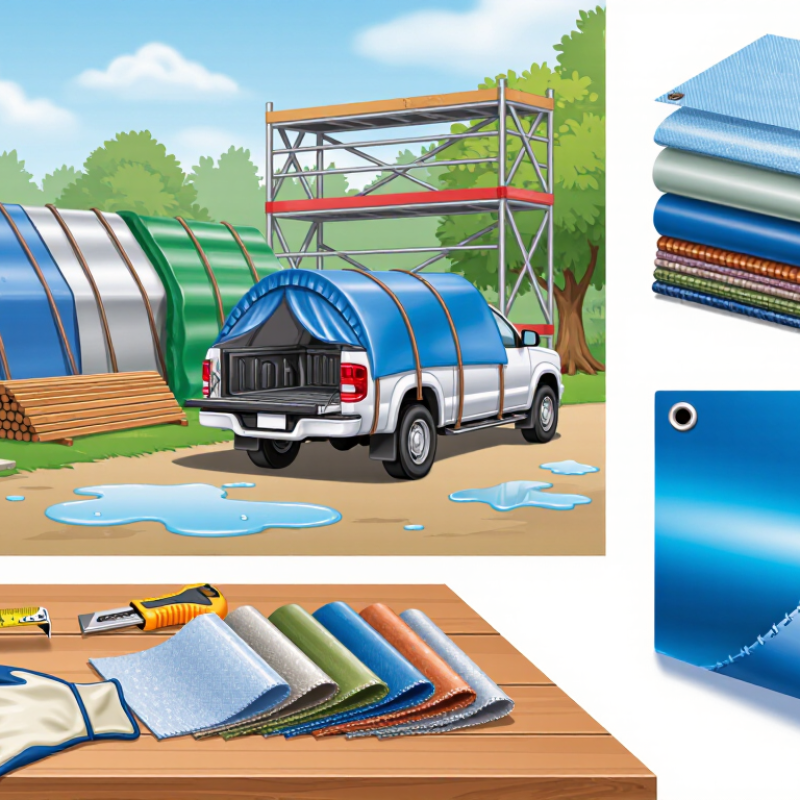
Choosing the right Pe Waterproof Tarp is more practical than simply picking the thickest sheet. A dependable tarp must match the job, weather, load, and expected service life. A garden cover needs different protection from a construction shelter or truck bed cover. Small details matter, too. Check fabric weight, coating quality, seam strength, eyelet spacing, and reinforced corners before buying.

Daniel Mercer, a polyethylene materials consultant with more than twenty years of field experience, says, “A tarp fails at its weakest detail, not its largest surface.” His observation is worth remembering. A heavy fabric cannot compensate for loose grommets or a poorly sealed seam. Look closely at the material description. Woven HDPE provides strength, while LDPE coating improves water resistance. UV treatment helps reduce cracking under repeated sunlight. However, no coating lasts forever.

Think beyond the product photograph. Imagine rain collecting in a sagging center, wind pulling against metal eyelets, or sharp timber pressing beneath the sheet. These simple scenes reveal whether the tarp is suitable. Measure the coverage area carefully, allowing room for overlap and tie-downs. Consider temperature changes, abrasion, folding frequency, and storage conditions. Some buyers focus too much on GSM. That is understandable, but incomplete.

Real performance depends on balance. Not just thickness.

This guide, “10 Tips for Choosing the Best PE Waterproof Tarp,” examines those practical choices in clear detail. It also questions common assumptions, because the most expensive tarp is not always the most reliable one.
10 Tips for Choosing the Best PE Waterproof Tarp?

Define the Intended Use and Required Tarp Dimensions

Define the Intended Use and Required Tarp Dimensions

Choosing the best PE waterproof tarp starts with its job. A groundsheet needs abrasion resistance, while a cover tarp needs strong eyelets and UV stability. A 2024 Grand View Research market analysis identifies construction, agriculture, and transport as major tarpaulin applications. Each setting demands different dimensions, coatings, and reinforcement.

Tip: Measure the object, not the storage area. Add height twice, plus at least 30 centimeters for overlap and tie-down space. For example, a 3-meter-long load measuring 2 meters wide and 1 meter high needs more than a 3-by-2-meter tarp. A practical choice would be approximately 4.5 by 3.5 meters. Wind changes everything. A loose edge can flap like a flag and tear its eyelets.

Mordor Intelligence’s 2024 tarpaulin industry analysis points to weather exposure and material durability as key buying factors. Check the tarp’s actual finished size, because hems may reduce usable coverage. PE fabric can also shrink slightly after repeated heat exposure, although the amount varies by construction. I once underestimated overlap on a garden cover; rain entered through a narrow seam. That mistake was avoidable. Choose reinforced corners, evenly spaced grommets, and enough slack for drainage, but not enough to collect water. For long outdoor use, compare UV-resistance test information, such as testing aligned with ASTM D4329 or ISO 4892-3.
Compare PE Fabric Grades, Thickness, and Waterproofing Performance

Choosing the right PE waterproof tarp starts with its fabric grade. Woven polyethylene provides strength, while laminated layers block rain. Virgin PE usually offers more consistent flexibility and fewer weak spots than heavily recycled material. However, recycled PE can perform well when production quality is controlled. Check the weave closely. Uneven threads, cloudy patches, or tiny pinholes may signal poor consistency. Small defects matter during heavy rain.

Tip: Compare thickness in GSM, not appearance alone. A thicker tarp often resists tearing, abrasion, and wind better, but weight is not the whole story. A 180 GSM tarp with tight weaving may outperform a loose 220 GSM sheet. I have seen heavy tarps fail at folded corners. Thickness helps, but construction decides much.

Tip: Inspect waterproofing details beyond the fabric. Look for sealed hems, reinforced eyelets, and evenly bonded seams. Ask whether the material has passed hydrostatic pressure or water-column testing. These tests provide more useful evidence than a simple splash demonstration. For outdoor storage, UV resistance also matters because sunlight gradually makes PE brittle. Some suppliers provide test data, but figures should match the actual batch and thickness. That point is often overlooked. A tarp can be waterproof on day one, yet unreliable after months of heat, folding, and rough handling.

10 Tips for Choosing the Best PE Waterproof Tarp

Compare common PE tarp grades by fabric weight, thickness, hydrostatic waterproofing performance, and tensile strength.

Heavier and thicker PE fabric generally provides better durability and water resistance. The values shown are representative midpoint specifications for commonly used woven polyethylene tarp grades; actual performance varies with lamination, weave, coatings, seams, and test methods. For demanding applications, confirm hydrostatic pressure and tensile-strength results with the supplier.

Evaluate UV Resistance, Tear Strength, and Weather Durability

Choosing the best PE waterproof tarp requires more than checking thickness. Tip 1: Ask for UV-resistance test results, not vague claims. The U.S. Environmental Protection Agency classifies a UV Index of 6–7 as high exposure. A tarp used on an open truck or patio needs stronger UV protection than one stored indoors. Tip 2: Compare UV test duration, fabric color, and coating retention. Tip 3: Inspect the underside coating for pinholes and uneven gloss. Small flaws become leaks.

Tear strength deserves equal attention. Tip 4: Request results from ASTM D751 or ISO 1421 testing. Compare the same test method and direction. Tip 5: Check both warp and weft values. Tip 6: Examine reinforced corners, hems, and grommets. These areas often fail before the main fabric. Tip 7: Choose reinforced eyelets with washers, especially for windy sites. A thick sheet can still rip at one hole.

Weather durability includes rain, wind, heat, and repeated folding. Tip 8: Look for hydrostatic-pressure data and seam-test results. Tip 9: Check the stated service-temperature range. Cold plastic may stiffen and crack; excessive heat can soften coatings. Tip 10: Inspect a sample after folding, stretching, and wetting it. I have seen impressive specifications fail at the edges. That is worth questioning. The World Meteorological Organization’s recent climate reports show continuing increases in heat extremes, so older durability assumptions may be weak. No single rating predicts real life. Field exposure, installation tension, and storage habits still matter.

Inspect Grommets, Edges, Seams, and Reinforcement Details

Choosing a PE waterproof tarp starts with the details that usually fail first. Inspect every grommet under bright light. ASTM D751 test reports assess coated fabrics through tensile, tear, seam, and hydrostatic methods. Look for a report, not a vague “waterproof” claim. ISO 1421 results show tensile force per 50-millimetre strip. Compare both directions, because woven PE can be stronger lengthwise. Check grommet spacing, washers, and distortion around each hole. A loose eyelet can turn wind load into a long rip.

Edges deserve equal attention. Run a finger along the hem and look for exposed threads, uneven folds, or crushed stitching. Reinforced corners should have added patches, not only extra eyelets. Industry inspection sheets often record seam strength separately from fabric strength. That distinction matters. Heat-welded seams should look continuous, without pinholes or brittle sections. For hydrostatic data, EN 20811 reports water resistance as pressure from a controlled water column. Ask for the actual value and test conditions. Do not compare numbers from different methods casually. One awkward truth remains: thicker reinforcement is not automatically better. Poor bonding can still peel beside a strong patch. During inspection, bend the corner, pull the hem lightly, and check whether the hardware shifts. This simple field check is imperfect, but it often reveals problems hidden by clean packaging.

Select the Right Color, Features, Supplier, and Overall Value

Choosing a PE waterproof tarp starts with the job, not the lowest price. For a truck cover, silver or white reflects sunlight better than dark colors and may reduce heat buildup. Green or brown blends into outdoor settings. Color is practical, but it is not a UV rating.

Tip 1: Check fabric weight, thickness, and weave. A 180–250 GSM tarp usually feels more dependable than a thin sheet for repeated outdoor use. Look for heat-sealed seams, rust-resistant eyelets, reinforced corners, and a stated waterproofing test. Ask for UV-resistance evidence, such as testing aligned with ISO 4892-3. Small details matter.

Tip 2: Compare the supplier’s real specifications. Request a sample, batch information, warranty terms, and test reports before ordering. The 2022 OECD Global Plastics Outlook reports that global plastic waste doubled from 2000 to 2019, while only 9% was recycled. A supplier offering repair guidance, recyclable PE options, and take-back practices deserves closer attention. UNEP’s 2023 Turning off the Tap report also indicates that plastic pollution could be reduced by 80% by 2040 through existing solutions. That makes end-of-life planning part of value, not an optional extra. I still find supplier claims inconsistent, so independent verification is wise. Compare delivered cost, expected service life, repairability, and storage needs. A cheap tarp that cracks after one winter is not a bargain.

Packaging machine ROI calculator

Need help figuring out if packaging automation is right for your business?


First, start with the numbers. Download our free packing machine ROI calculator to learn how long it will take for an investment in automation to pay for itself (and much more).


Free packaging automation ROI calculator