China Top 10 Packaging Automation Machine Manufacturers
China’s packaging automation market covers a wide range of equipment, from compact cartoners to integrated filling, labeling, and palletizing lines. The manufacturers in this guide serve different production scales and product types. Some focus on flexible machines for frequent changeovers. Others build high-speed systems designed for long production runs. Those differences matter when a buyer compares suppliers.
W. Edwards Deming, a quality-management expert, offered a principle relevant to Automation Packaging: “Quality comes not from inspection, but from improvement of the production process.” A packaging line reflects that idea in practical ways. A misaligned label sensor, a poorly timed conveyor, or a difficult changeover can affect output and product consistency. Small details matter.
This overview considers machine range, customization, control systems, service support, and export experience. It also asks what specifications may be missing from a supplier’s brochure. A polished demonstration is useful, but it cannot replace a factory acceptance test or a clear discussion of spare parts. Not every line suits every plant. The top ten should be read as a starting point, not a final verdict. Buyers still need to verify machine performance against their products, packaging materials, operating conditions, and production targets. Some gaps will remain; that is worth acknowledging.
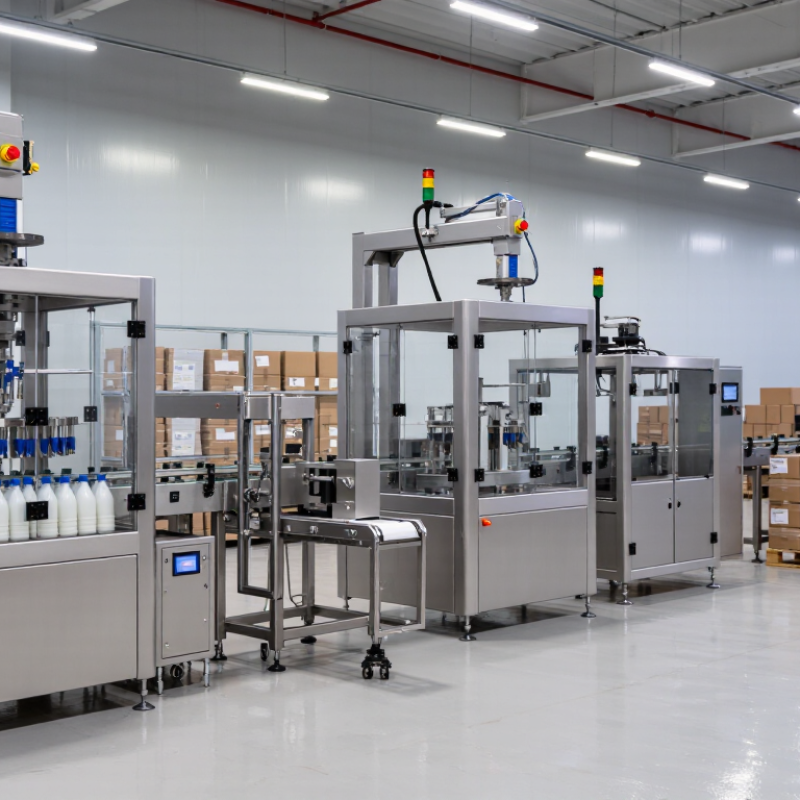
Packaging Automation in China: IFR Recorded 276,288 Robot Installations in 2023
China’s packaging automation market is part of a wider robotics shift. IFR recorded 276,288 industrial robot installations in China in 2023, the highest national total reported that year. This figure covers industrial robots across industries, not packaging machines alone. It is still a useful signal: factories are investing in automated production, including packing, palletizing, and material handling. The number does not prove that every packaging line is becoming fully automated.
For packaging operations, the practical gains often appear at specific points on the line. A robot can pick cartons, load cases, or stack finished goods onto pallets. Sensors and vision systems help manage changing package sizes, though irregular products can still cause delays. When comparing manufacturers, check cycle-time data, changeover requirements, safety features, and access to local maintenance. A fast machine is less useful if it cannot handle your actual product mix.
Tips: Ask for a test using your packaging materials and product dimensions. Review the proposed line layout, operator training, and spare-parts plan. Small details matter. A label position or case variation can disrupt an otherwise well-designed line.
Core Machine Types and KPIs: Throughput, OEE, Changeover, and Uptime
China Top 10 Packaging Automation Machine Manufacturers: Core Machine Types and KPIs
Packaging lines may combine case erectors, fillers, sealers, labelers, and palletizers. A case erector opens cartons; a filler doses product; a sealer closes each pack. The best machine mix depends on package size, product flow, and available floor space. When comparing manufacturers, ask for performance data from a line with similar materials and operating conditions. A showroom speed is not always a useful forecast.
Throughput measures finished packs per minute, but sustained output matters more than a brief peak. OEE combines availability, performance, and quality, helping teams spot losses across a shift. Yet OEE can hide bottlenecks when machines use different reporting rules. Compare results over equal periods and include rejected packs.
Changeover time should cover real tasks, from adjusting guides to confirming the first acceptable pack. Uptime also needs context: planned maintenance and repeated short stops affect production differently. Small details matter.
Tips: Track changeovers with a stopwatch, not memory. Record minor stops, jam locations, and restart time. Test new formats using actual cartons and labels; otherwise, estimates may look better than the line performs.
Top 10 Chinese Manufacturers: Ranking Criteria, Product Range, and Export Data
A credible ranking of China’s packaging automation machine manufacturers should explain how each company was assessed. Useful criteria include machine performance, customization, service support, documented production experience, and export capability. Buyers can compare line speed, changeover time, filling accuracy, and compatibility with existing conveyors. These details are more useful than broad claims about “advanced technology.” Scores still involve judgment, so the weighting should be disclosed.
Product range also matters. Some manufacturers focus on a single process, such as labeling or carton sealing; others supply integrated filling, wrapping, and case-packing lines. Check whether stated capacity reflects a complete operating line or one machine under ideal conditions. Ask for layout drawings, sample specifications, and installation requirements. Small omissions can create real delays.
Export data offers another comparison point, but it needs careful interpretation. Shipment records may indicate destination markets, equipment categories, or order frequency, yet they rarely reveal machine quality or after-sales performance. Data can be incomplete. Cross-check figures against company disclosures, trade records, and customer references where available. Compare several years rather than one unusually large shipment, and note whether reported exports concern complete systems or individual components.
China Packaging Automation Manufacturers: Ranking Criteria
A transparent editorial framework for comparing manufacturers. The percentages below are proposed evaluation weights, not measured company results or export statistics.
Product range and export evidence receive the greatest weight. Product range covers equipment breadth; export evidence should be verified from reliable trade records or documented shipments. Automation capability, certifications, and after-sales support complete the comparison.
Manufacturer Profiles: Filling, Case Packing, Palletizing, and End-of-Line Systems
Packaging automation manufacturers differ in the problems they solve, not just the machines they sell. A useful profile explains product range, line speed, changeover needs, and integration support. Filling systems, for example, must suit the container, product flow, and required fill accuracy. A machine handling thin liquids may not perform equally well with thicker products. Small details matter.
Case packing profiles should describe how products are grouped, oriented, and loaded into cartons. Look for clear information about format changes, carton handling, and connections to upstream equipment. Palletizing systems bring different considerations: payload, pallet patterns, floor space, and safe access for operators. Published cycle rates help, but they rarely show the full operating picture. Ask how performance is measured.
End-of-line systems often combine case packing, palletizing, conveying, and inspection. Manufacturers with practical integration experience can help reduce handoff problems between machines. Still, a polished profile may leave out maintenance access or recovery after a minor stoppage. Those omissions deserve a closer look. Compare support coverage, spare-parts planning, and commissioning methods alongside technical specifications. The fastest line is not always the best fit. A dependable solution should match the facility’s actual products, staffing, and production schedule.
Supplier Selection and Safety: ISO 12100, ISO 13849-1, and Lifecycle Cost
China Top 10 Packaging Automation Machine Manufacturers: Supplier Selection and Safety
A packaging line may look simple until an operator clears a jam beside a moving belt. Ask suppliers to explain their ISO 12100 risk assessment, including hazards during cleaning, setup, and maintenance. ISO 13849-1 helps assess the performance level required for safety-related control parts. Request the design rationale, validation records, and clear details on guarding and emergency stops. A certificate alone does not show how the machine will behave in your actual plant.
Lifecycle cost is more than the purchase price. Include installation, guarding, training, format changes, spare parts, energy, and downtime in comparisons. IFR’s World Robotics 2024 report recorded 541,302 industrial robot installations worldwide in 2023, the second-highest annual total. That scale signals growing automation, but it does not prove a specific machine will pay back. Model costs against your real shift pattern and product mix. A tidy spreadsheet can still miss awkward changeovers.
Tips:
Watch a full changeover, not just a production run. Ask who validates safety functions after modifications. Small details matter. Also check whether maintenance staff can access components without bypassing safeguards.
Related Posts
-
2025 Revolution in Automated Packaging: The Definitive Guide for Global Buyers
-
Comprehensive Handbook on Industrial Packaging Machines for Modern Businesses
-
Top 10 Benefits of Vertical Form Fill Seal Machines for Businesses
-
How to Choose the Right Packaging Equipment for Your Business?
-
Explore the Excellence of China's Leading Factory with the Best Automated Packaging Line for Global Markets
-
Elevating Global Standards with China’s Best Vertical Form Fill Seal Machines