


Top 10 Lead Glasses for X Ray Protection?
Choosing Lead Glasses for X-ray work involves more than comparing frame styles or prices. Lens coverage, fit, weight, and documented lead equivalence can all affect whether a pair suits a particular task. Small details matter. A frame that slips when you look down may leave uncomfortable gaps, while heavy lenses can feel tiring during a long shift.
This guide introduces ten lead-glasses options and the features worth checking before purchase. It considers lens shape, side protection, nose-pad comfort, prescription compatibility, and manufacturer specifications. Product claims should be verified against current documentation, since protection can vary by model and configuration. A “top” pick is not automatically the best fit for every room, procedure, or wearer. That part is easy to overlook.
Use this list as a starting point, not as a substitute for workplace guidance. Ask your facility’s radiation safety professional which specifications are appropriate for your duties, and confirm that the glasses fit securely with other protective equipment. If possible, try the frame on before committing; a clear view in a product photo tells you little about comfort after hours of wear. This comparison also has limits: without independent testing and a proper fit assessment, no ranking can settle every question. The practical choice is the pair whose verified specifications and everyday comfort match your actual work.
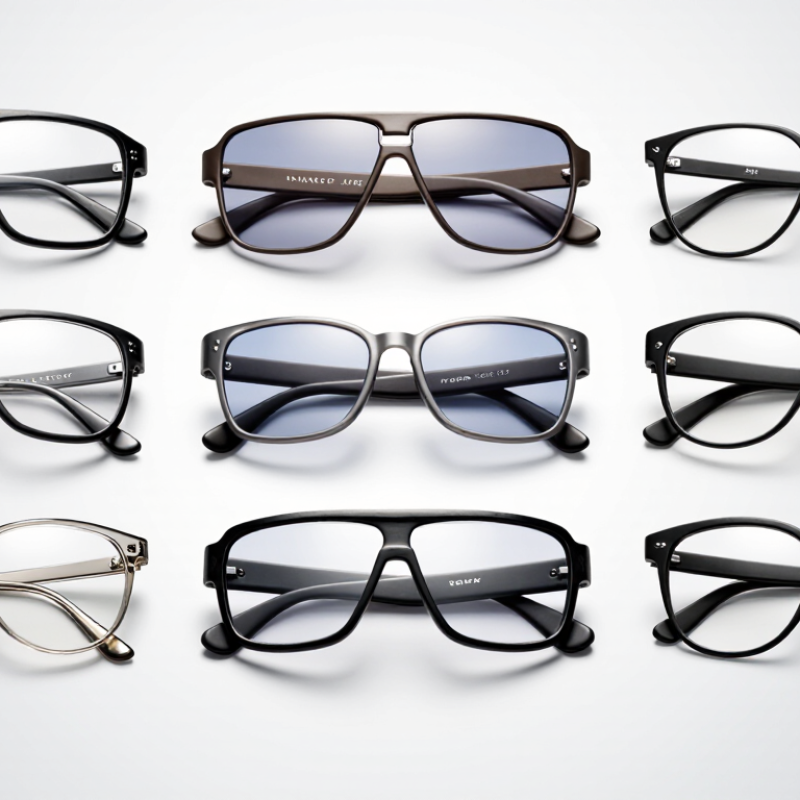
How Lead Glasses Reduce Occupational X-Ray Exposure
Top 10 Lead Glasses for X Ray Protection?
How Lead Glasses Reduce Occupational X-Ray Exposure
During fluoroscopy, scattered X-rays can reach staff from the patient, often striking the eyes from below or the side. Lead glasses reduce this exposure by absorbing part of that scatter before it reaches the eye lens. The International Commission on Radiological Protection’s Publication 139 (2018) describes protective eyewear as an important measure in interventional procedures. Depending on lens protection, fit, and radiation angle, eyewear may lower eye-lens dose several-fold. Gaps at the temples matter. A close fit helps.
The reason for taking this seriously is clear. ICRP Publication 118 (2012) places the eye-lens threshold for radiation-related cataracts at about 0.5 Gy. That is not a personal safety target; it signals why repeated occupational exposure deserves monitoring. Choose eyewear that covers the sides and sits comfortably during long procedures. Check that the lenses have stated lead equivalence, and use a personal dosimeter near the eye when workplace protocols call for one. Glasses do not block every scattered ray, and poor positioning can weaken protection. That detail is easy to miss. They work best alongside ceiling shields, table skirts, distance, and sensible positioning. Even good glasses cannot replace those habits.
Key Features and Safety Standards for Protective Eyewear
Protective eyewear should be judged by documented performance, not lens color or weight. Check the stated lead equivalence, usually expressed in millimeters of lead, and confirm that supporting test information is available. IEC 61331-3 covers protective eyewear against diagnostic medical X-radiation; check the applicable edition and local requirements. A label alone is not enough. Ask whether the rating matches the imaging conditions and the wearer’s role.
Fit matters. Frames should sit securely without slipping when the wearer looks down, while lenses should cover the eyes from likely scatter directions. Side shields can help, but they do not replace room shielding, distance, or sensible exposure practices. Inspect lenses for cracks, deep scratches, loose hinges, and distorted vision. Store them in a protective case, not under heavier equipment. Keep inspection records according to workplace procedures. A dark lens is not proof of protection. Neither is a high price. I may be overlooking how quickly fit changes between users, so shared eyewear needs particular care. When comfort is poor, people may leave glasses off; that practical detail deserves attention alongside the test figures.
Ten Lead Glasses Compared by Protection, Fit, and Design
Comparing ten lead glasses means looking beyond frame style. Protection should be checked through documented lead-equivalence ratings, including coverage around the sides. Do not assume a heavier frame offers better protection. Verify the specifications and follow the facility’s radiation-safety procedures; eyewear is not a replacement for room shielding or other required protective measures.
Fit matters. A secure pair should sit comfortably on the nose, stay in place when the wearer looks down, and avoid gaps that expose the eye area. Wider temples may improve side coverage, but they can feel tight beneath a cap or interfere with other protective equipment. Small details count. Lens weight, bridge shape, and adjustable hinges can make a noticeable difference during a long procedure. Still, comfort is personal, and a frame that suits one face may slip on another.
Design also affects daily use. Compare lens clarity, field of view, scratch resistance, and how easily the glasses can be cleaned according to their care instructions. A sleek frame is not automatically the most practical choice. I would not claim one pair is best for everyone; without consistent test conditions and verified specifications, that ranking would be shaky. Check the fit while wearing usual equipment, and ask a radiation-safety professional to confirm that the selected protection suits the work.
Top 10 Lead Glasses for X-Ray Protection? — Ten Lead Glasses Compared by Protection, Fit, and Design
| Configuration | Nominal Lead Equivalence to Check | Fit and Coverage | Design Characteristics | Practical Consideration |
|---|---|---|---|---|
| 1. Lightweight wraparound | Often offered at 0.50 mm Pb equivalent | Curved front with partial side coverage; fit varies by face shape | Broad field of view with a close-fitting profile | Check that the side coverage does not leave gaps during normal head movement. |
| 2. Standard wraparound | Commonly available in 0.50 or 0.75 mm Pb equivalent options | Curved frame intended to improve lateral coverage | Balances coverage and a familiar eyewear shape | Confirm the stated rating for both the lenses and any protective side sections. |
| 3. Higher-equivalence wraparound | Some configurations are offered at 0.75 or 1.0 mm Pb equivalent | Wraparound fit; lens and frame weight may be greater | Emphasizes a higher declared lead-equivalent rating | Compare comfort during a realistic wear period; higher lead equivalence can add weight. |
| 4. Flat-front glasses with side shields | Commonly available in 0.50 or 0.75 mm Pb equivalent options | Straight front; side protection depends on shield coverage and fit | Conventional frame shape; may suit users who prefer less-curved lenses | Inspect the side shields for gaps, especially when turning toward the radiation source. |
| 5. Glasses with extended side shields | Rating depends on the specific lens and shield construction; check the declared Pb equivalence | Designed to increase lateral coverage compared with short shields | More coverage at the sides; may feel bulkier | Ask whether the stated lead equivalence applies to the side shields as well as the front lenses. |
| 6. Oversized-lens glasses | Often listed in 0.50 or 0.75 mm Pb equivalent options | Larger lens area may suit users seeking more frontal coverage | Large lenses can affect weight and peripheral fit | A larger lens does not by itself establish a higher protection rating. |
| 7. Compact-frame glasses | Rating is model-specific; commonly listed options include 0.50 mm Pb equivalent | Smaller frame may fit narrower faces, but coverage must be checked individually | Reduced frame size can be easier to store and handle | Check that the frame does not leave exposed areas around the eyes. |
| 8. Adjustable-temple glasses | Available ratings vary; verify the documented Pb equivalence | Adjustable temples can help accommodate different head widths | Offers more scope to refine fit and stability | Adjustment improves fit, but does not replace checking eye and side coverage. |
| 9. Prescription-ready protective glasses | Lead-equivalent rating is specific to the protective lenses and configuration | May be designed to accommodate prescription lenses or inserts | Can reduce the need to wear separate everyday glasses underneath | Confirm how prescription components affect fit, coverage, and the protection documentation. |
| 10. Over-glasses protective eyewear | Available ratings vary; check the exact declared Pb equivalence | Designed to fit over everyday prescription glasses; compatibility varies | Convenient for shared use or changing prescription needs | Try them over the intended prescription frames to check comfort, stability, and gaps. |
Important: Lead-equivalence values are nominal ratings commonly encountered in protective eyewear specifications, not verified ratings for individual products. Compare only documented test results stated at the relevant X-ray beam quality or tube potential; values measured under different conditions may not be directly comparable. Protective glasses reduce exposure to the eyes but do not replace appropriate shielding, distance, technique, or workplace radiation-safety procedures.
Choosing Lead Glasses for Different Imaging Settings
Choosing lead glasses for different imaging settings starts with the work pattern, not the frame style. In fluoroscopy, staff may lean toward the patient, so side coverage and a close fit matter. In fixed-room radiography, exposure patterns differ; glasses should still sit securely and avoid gaps around the eyes. Look for clearly stated lead equivalence and inspect the lenses for scratches or cracks. Fit is easy to overlook.
The International Commission on Radiological Protection’s Publication 118 (2012) recommends a lens-of-the-eye dose limit of 20 mSv per year, averaged over five years, with no single year above 50 mSv. This is a protection benchmark, not a promise that glasses alone will keep exposure below it. Actual dose varies with workload, distance, shielding, and positioning. Check local dosimeter results with a radiation-safety professional when choosing protection.
For mobile imaging, lighter frames may be more comfortable during repeated room changes; for long fluoroscopy procedures, stable side shields may be worth prioritizing. Comfort matters. If glasses slide down during a procedure, their protection can be compromised. That sounds obvious, yet it is often missed. Reassess fit after adding prescription lenses, and replace damaged eyewear rather than relying on appearance alone.
Top 10 Lead Glasses for X-Ray Protection: Choosing for Different Imaging Settings
Representative X-ray tube potentials across imaging settings (kVp). Actual protocols vary by equipment, patient, and examination.
Tube potential alone does not determine eyewear protection. When comparing lead glasses, check the certified lead-equivalence rating, coverage, fit, and side protection for your work. Follow your facility’s radiation-safety guidance; lead glasses supplement, not replace, other protective measures.
Care, Limitations, and Safe Use of Lead Glasses
Lead glasses can reduce scatter reaching the eyes, but protection depends on fit, side coverage, lens condition, and where scattered radiation comes from. They are not a substitute for ceiling-suspended shields, table curtains, or good positioning. A gap at the temple matters. So does looking toward the scatter source.
The ICRP’s Publication 118 recommends an occupational lens-of-eye dose limit of 20 mSv per year, averaged over five years, with no single year above 50 mSv. This is a radiation-protection recommendation; local rules may differ. Eyewear alone cannot guarantee that a worker stays below any limit.
Treat the glasses as protective equipment, not ordinary spectacles. Check lenses and frames before use for cracks, loose hinges, deep scratches, or poor fit. Clean them gently with a method approved for the specific eyewear; harsh solvents may damage materials. Store them in a case, not under heavy equipment.
Keep personal dosimeters positioned according to workplace protocol, since placement affects what they measure. A fogged lens seems minor. It can still prompt awkward head movements during a procedure. And honestly, even careful staff may forget inspections on a rushed day. Build checks into routine practice, and ask a radiation-safety professional to assess fit and protection for the actual work setup.


